Techno Blog
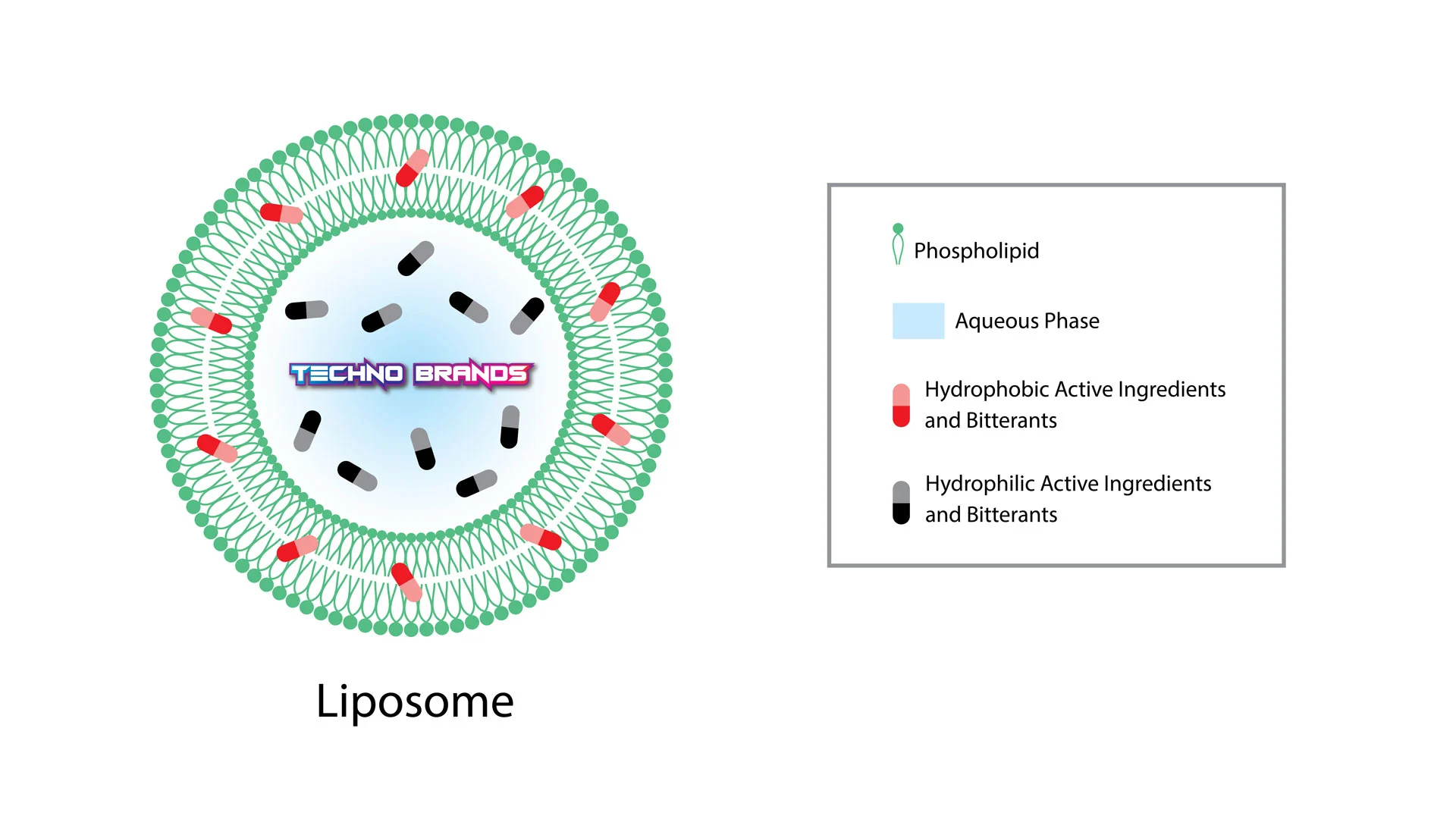
THE BASICS OF OUR TASTE MASKING TECHNOLOGY
TECHNO products were developed by a team of professional formulators following the latest advancements in pharmaceutical and food sciences.
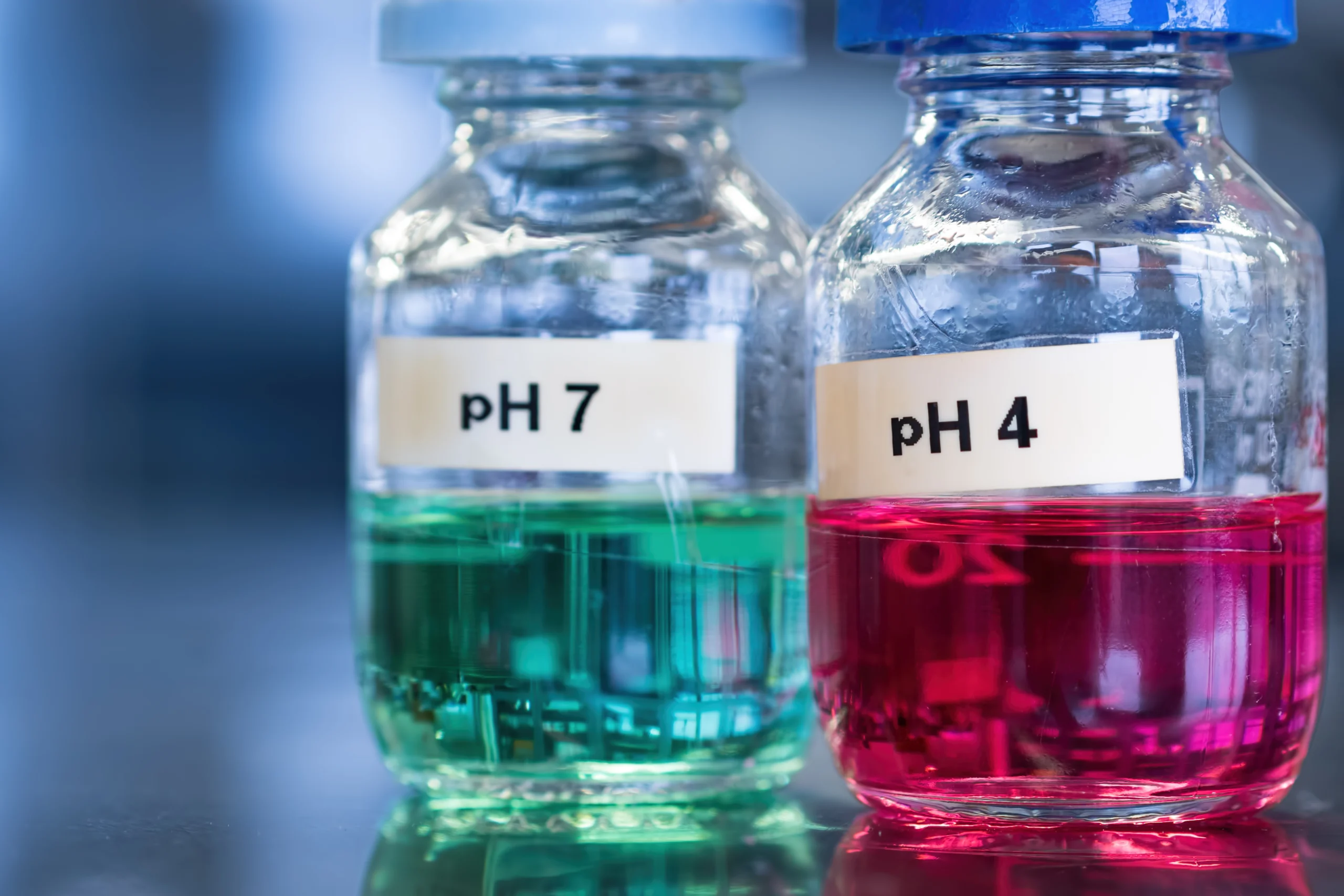
ACIDITY, SOURNESS, AND pH, IN YOUR DRINK: MAKING SENSE OF ALL THE TERMINOLOGY
The number that actually predicts sourness (and potential for heartburn) isn't pH, and most labels don't print it.
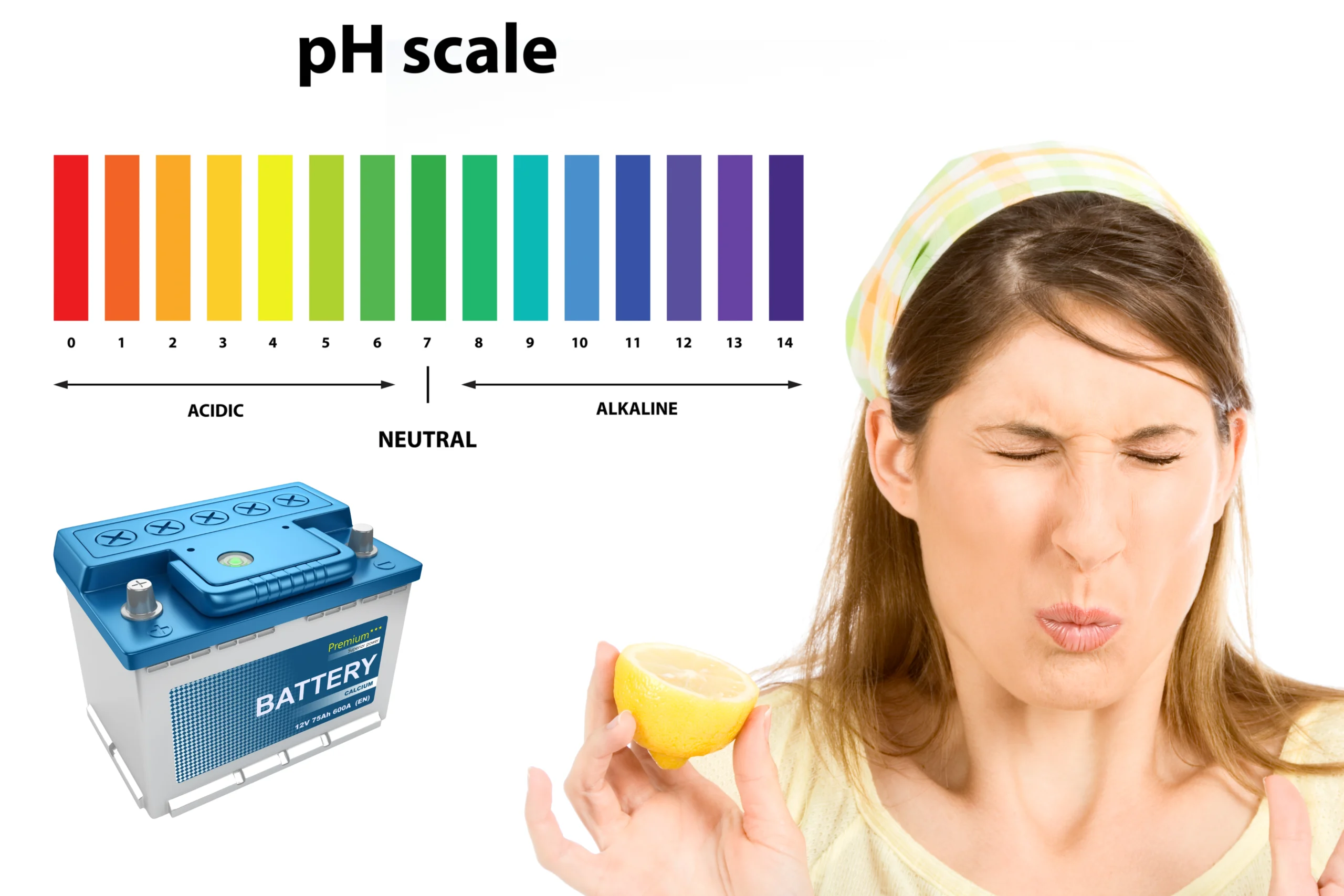
WHY SOME SUPPLEMENTS ARE SOUR AND HOW TO DEAL WITH IT
Half the burn from a sour supplement shot can be undone with a pinch of soda
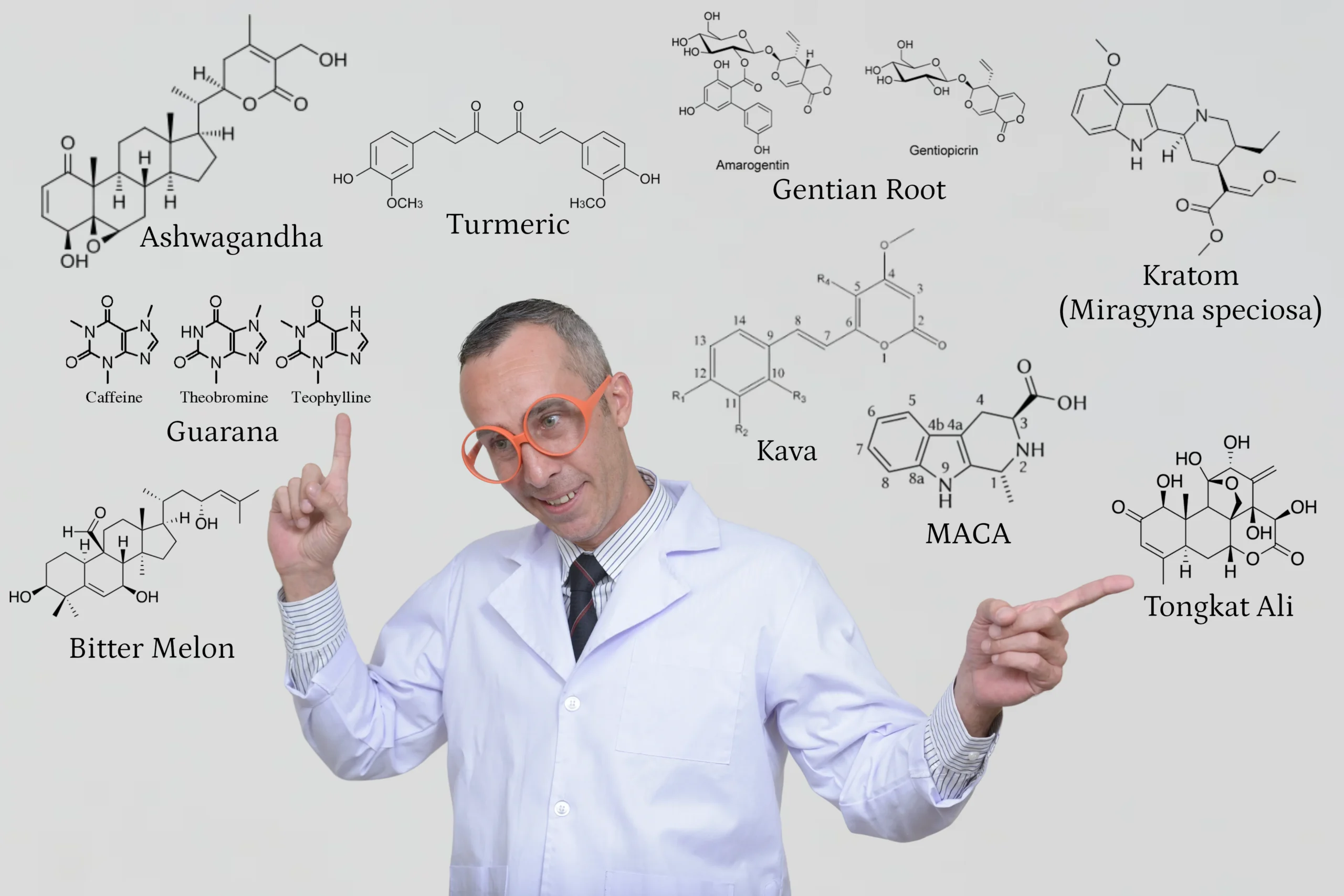
SAME WORD, DIFFERENT CHEMISTRY: THE MANY TYPES OF SUPPLEMENT BITTERNESS
Your tongue treats caffeine, TUDCA, and magnesium as three unrelated problems — because chemically, they are

GUARANA BITTERNESS AND ASTRINGENCY EXPLAINED AND FIXED
Guaraná may beat caffeine alone as a stimulant — but the compounds doing that work come with a taste and stability cost

WHY MOST BOTANICAL SUPPLEMENTS TASTE BITTER?
The molecule your coffee plant uses to poison insects is the same one giving you your morning buzz — dose is the only thing that changed.

FUNCTIONAL MUSHROOM DRINKS: HOW TO MAKE THEM ENJOYABLE
A little bitter. A little too umami. A little too much "forest floor." No single flaw is severe — but stacked together, they're why so many mushroom drinks go untouched.

WHY DOES CREATINE TASTE BAD? THE MANUFACTURING CHEMISTRY NOBODY TALKS ABOUT
This goes deeper than the usual creatine blog — it's a bit of a longer read, but it explains why the taste happens and how you can fix it.
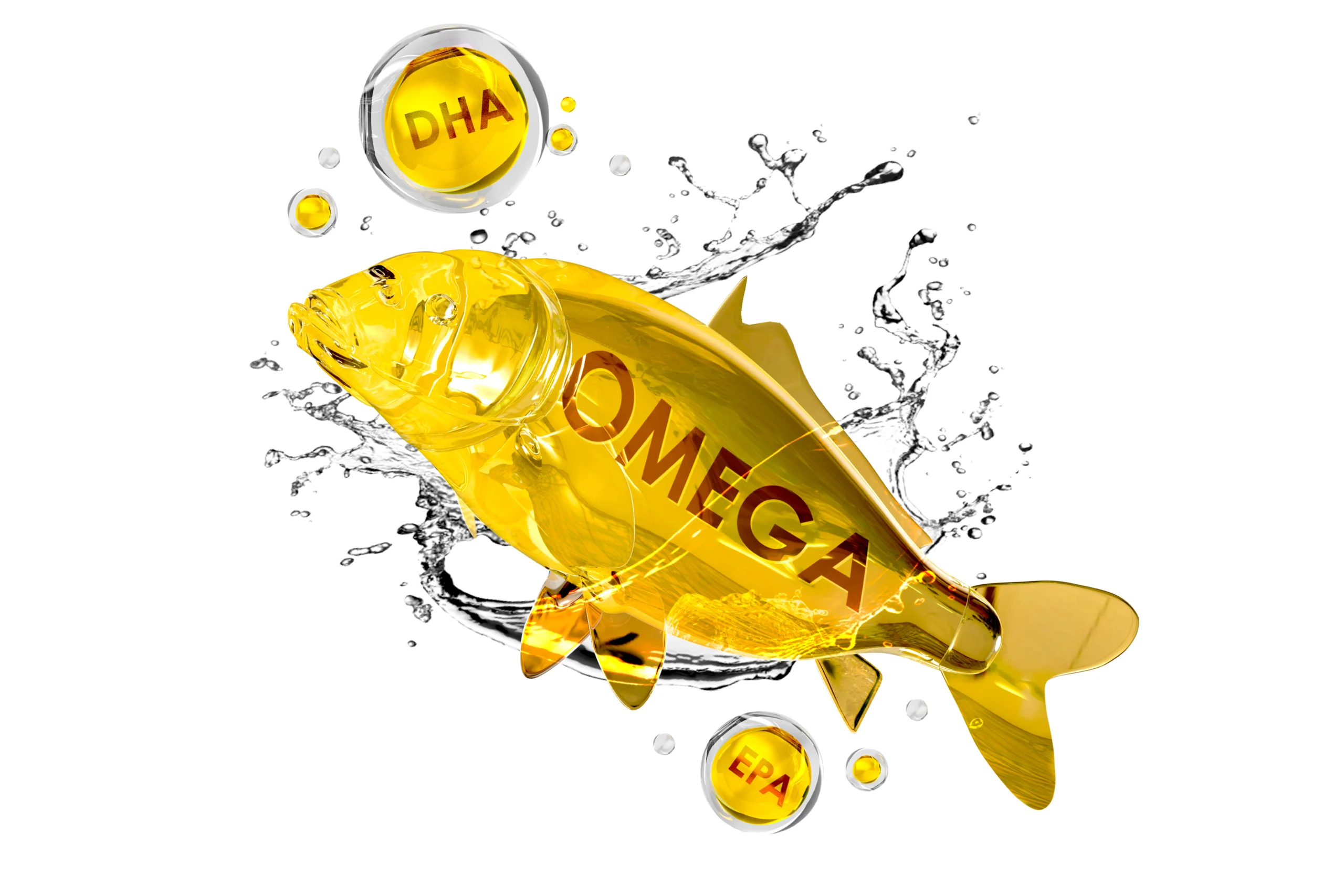
SOLVING FISH OIL’S TASTE PROBLEM: THE SCIENCE AND THE FIX
Emulsify it, mask it, boost it — the three-part fix most fish oil drinkers never hear about.

ASHWAGANDHA TASTE EXPLAINED: WHY IT’S BITTER AND EARTHY — AND HOW TO FIX IT
You can't breed out ashwagandha's bitterness without breeding out the benefits that make it work.

MAGNESIUM GLYCINATE TASTE EXPLAINED: WHY IT’S BITTER, METALLIC, AND FISHY
That metallic bite isn't bitterness — it's oxidation happening right on your tongue.
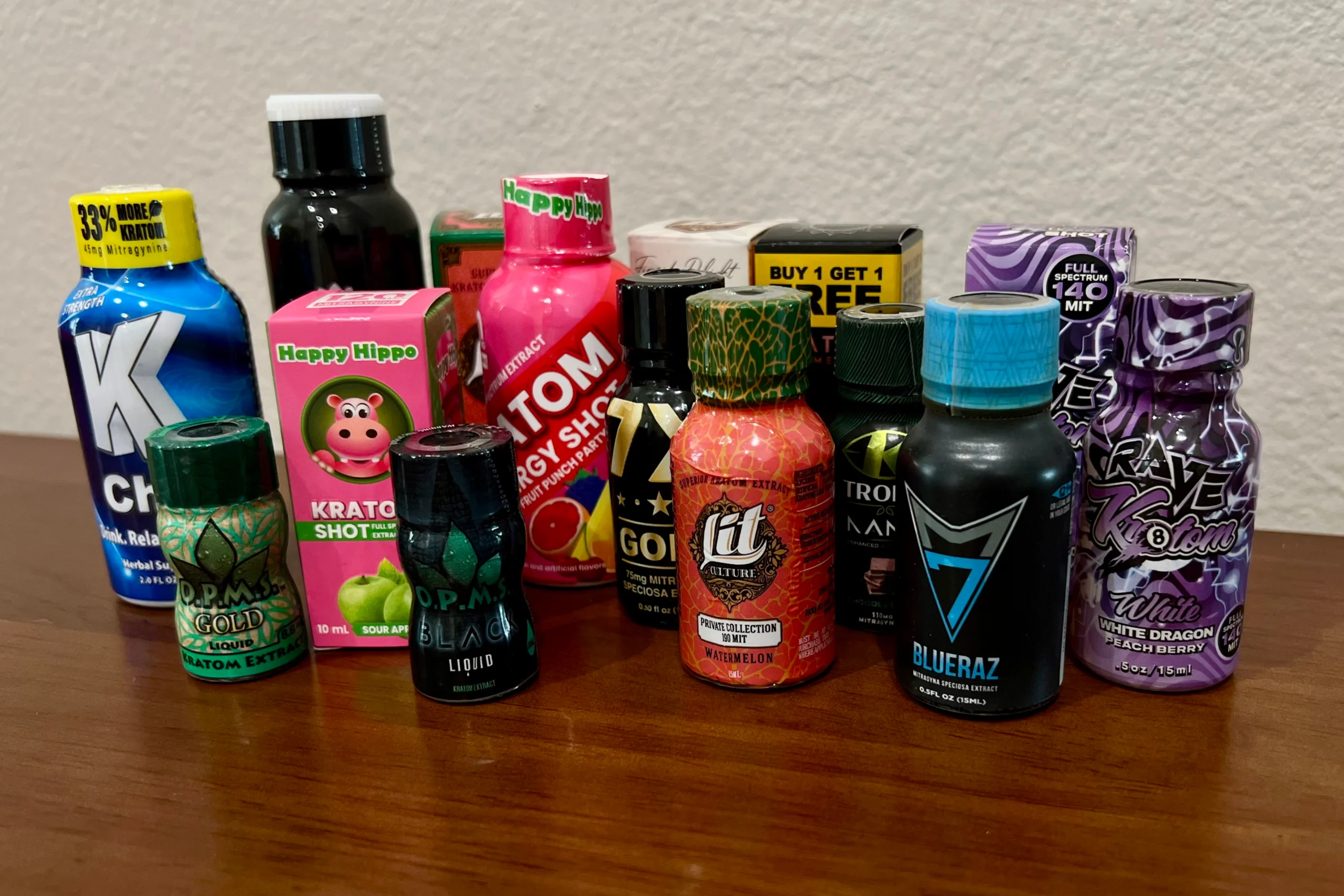
KRATOM SHOT TASTE EXPLAINED: WHY ACIDITY MAKES IT SO MUCH WORSE
Kratom shots taste even worse than leaf — acidic, harsh, and gritty. Here's why, and how to fix it.
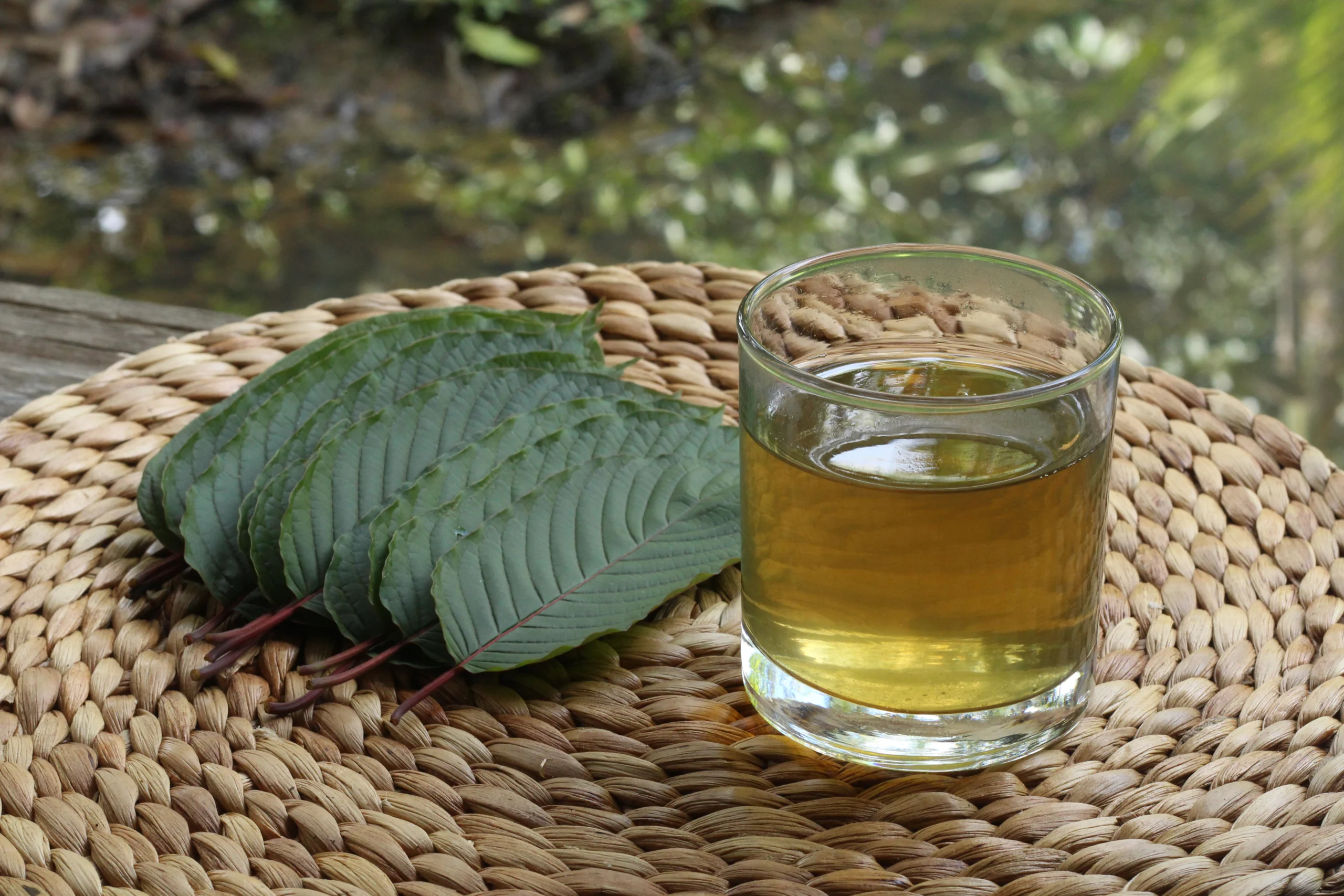
KRATOM LEAF TASTE EXPLAINED: WHY IT’S BITTER, PUNGENT, AND ASTRINGENT
The internet's favorite kratom-bitterness explanation has never actually been tested.

TURMERIC AND CURCUMIN TASTE EXPLAINED: WHY IT’S BITTER, EARTHY, AND PEPPERY
Nasty root, tasty drink — here's the science that gets you from one to the other.
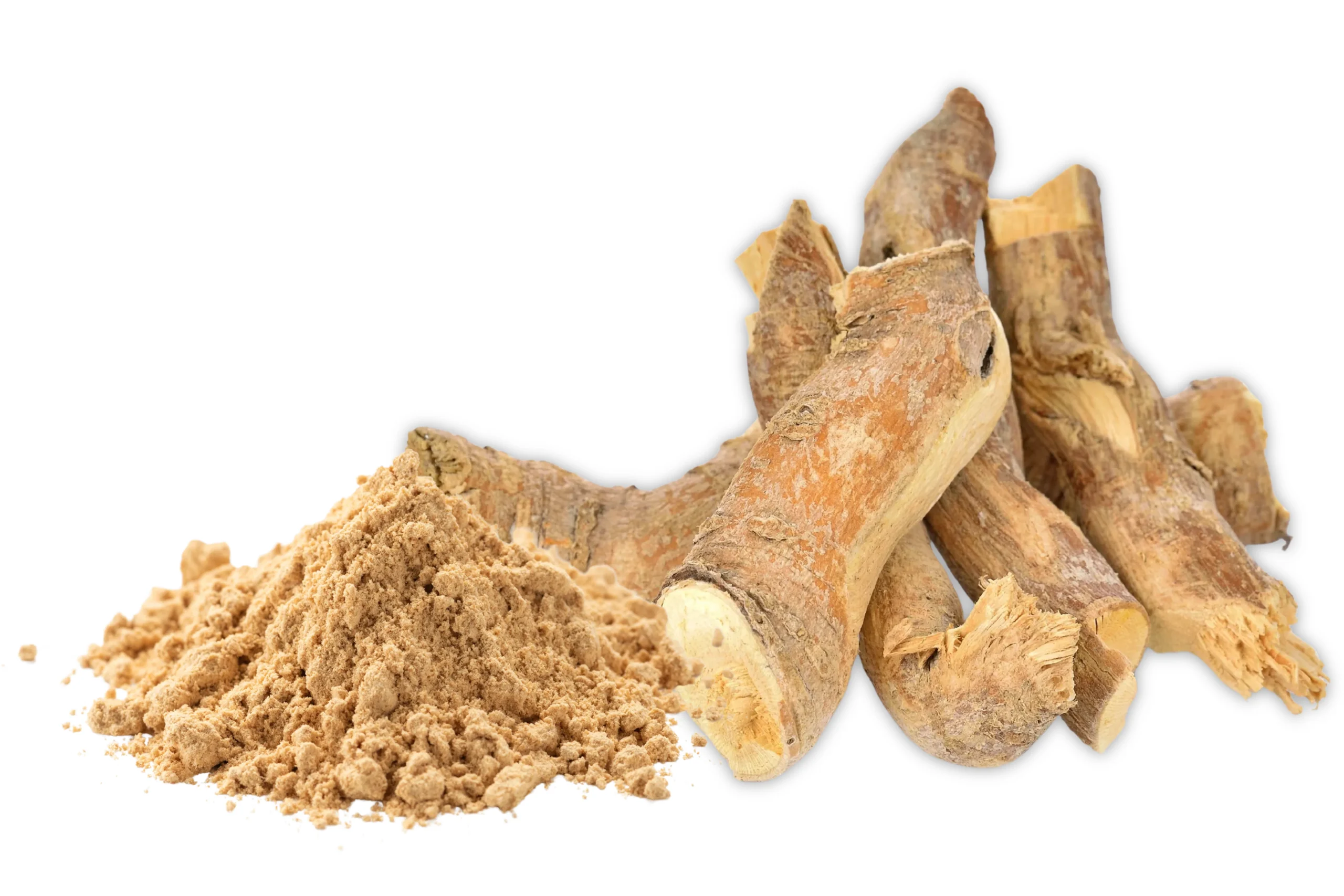
TONGKAT ALI TASTE EXPLAINED: WHY IT’S ONE OF THE MOST BITTER BOTANICALS
Brutal bitterness, best flavors to handle it, and tricks that you need to know.
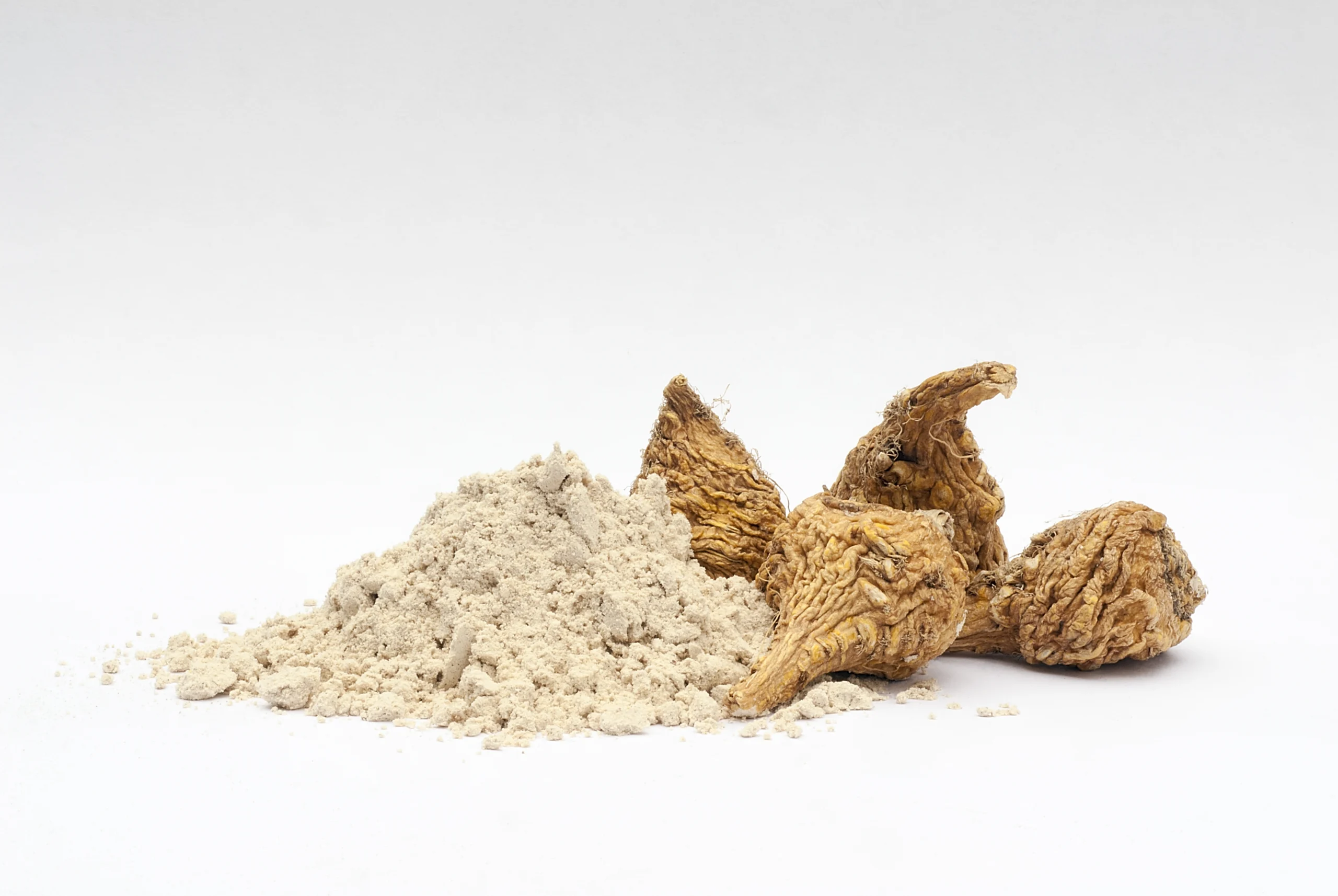
MACA TASTE EXPLAINED: WHY IT’S BITTER, PEPPERY, AND SULFUROUS
Mustard-sharp, sulfurous, and bitter — maca's flavor problem is real chemistry. Here's the fix.
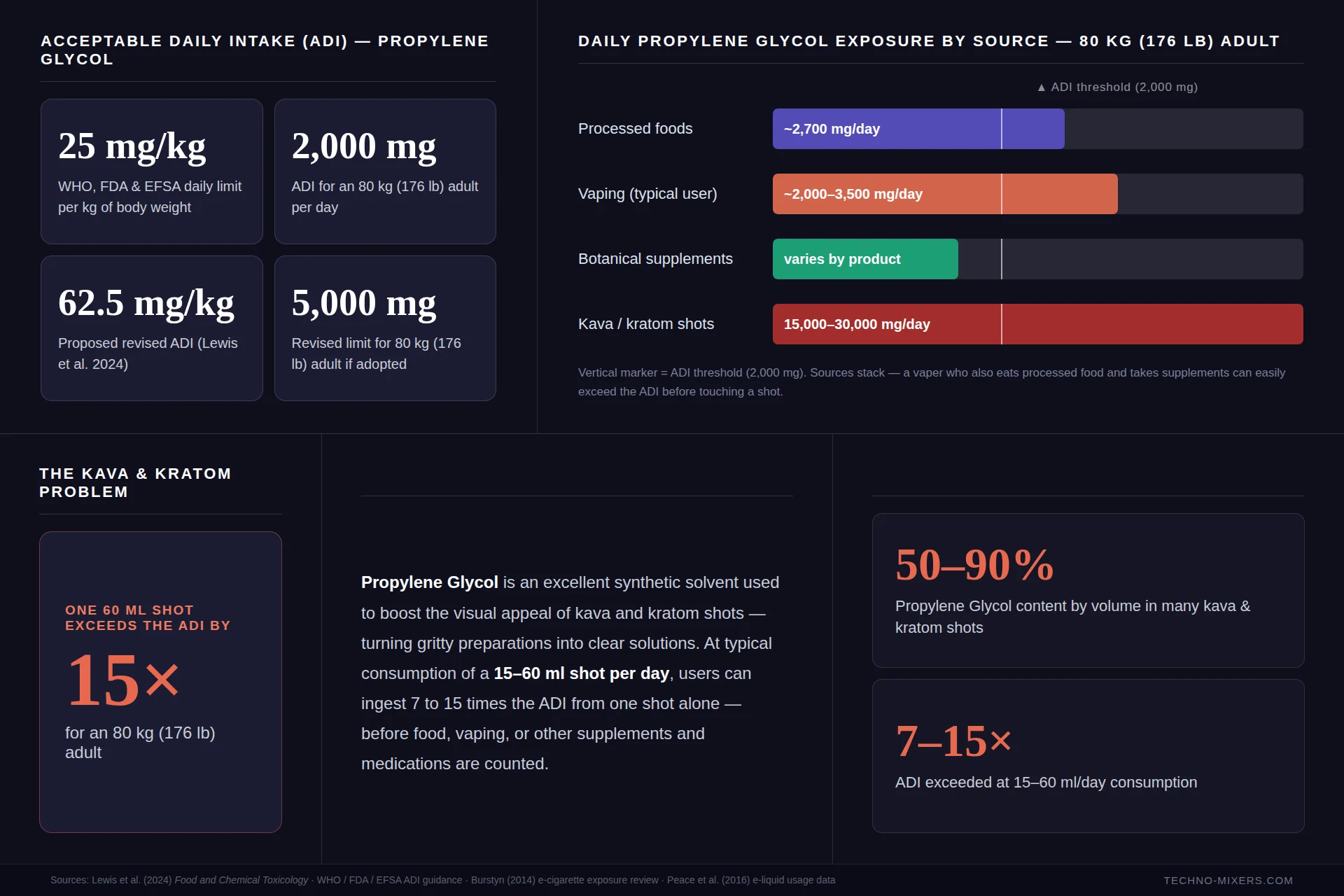
PROPYLENE GLYCOL IN BOTANICAL SUPPLEMENTS. IS THIS NORMAL?
Propylene Glycol (PG) is a synthetic solvent used in supplements, foods, cosmetics, and pharmaceuticals. While safe in small quantities it can be a concern in supplements that are consumed in larger volumes.

ASTRINGENCY EXPLAINED: WHAT IT IS, WHAT CAUSES IT, AND HOW TO FIX IT
Astringency is a tactile sensation, not a taste and it is detected differently: through sensory nerve endings distributed across oral surfaces that respond to physical and chemical changes in the mouth rather than dissolved flavor compounds.

KAVA TASTE EXPLAINED: WHY IT’S EARTHY AND HOW TO IMPROVE IT
The flavor profile of kava is consistent enough that most people reach for the same words: earthy, bitter, peppery, slightly chalky, and drying. It bears some resemblance to very strong green tea or muddy root water.
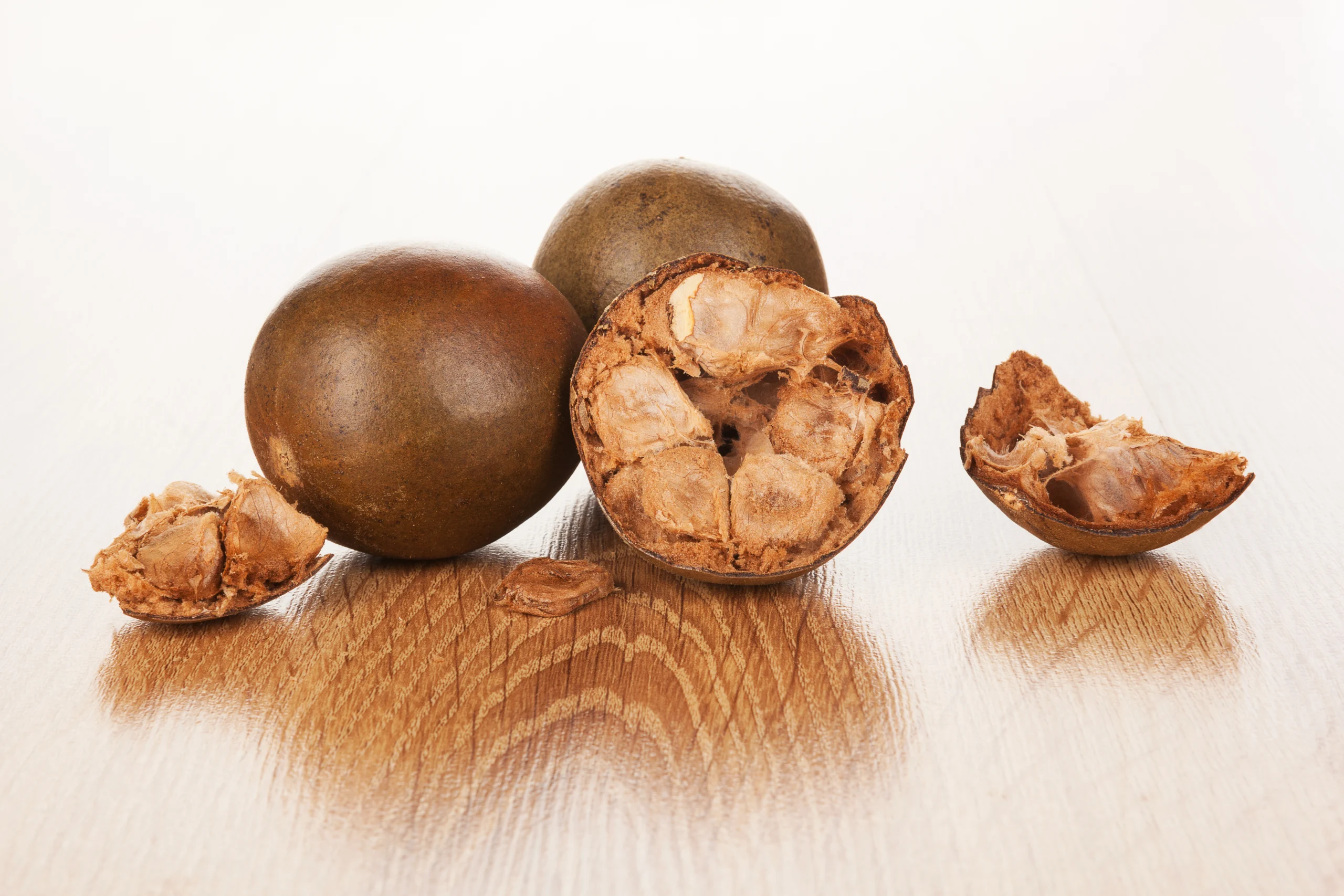
MONK FRUIT EXTRACT: THE SWEETENER THAT ACTUALLY FIGHTS BACK AGAINST BITTER
The same compounds that make monk fruit sweet also interact with the bitter taste receptors on your tongue to suppress bitterness.

TASTE VS MOUTHFEEL: WHAT’S THE DIFFERENCE AND WHY IT MATTERS FOR SUPPLEMENTS
Taste receptors produce categorical signals — sweet, bitter, salty. Mouthfeel receptors produce physical descriptions — gritty, burning, dry, smooth.
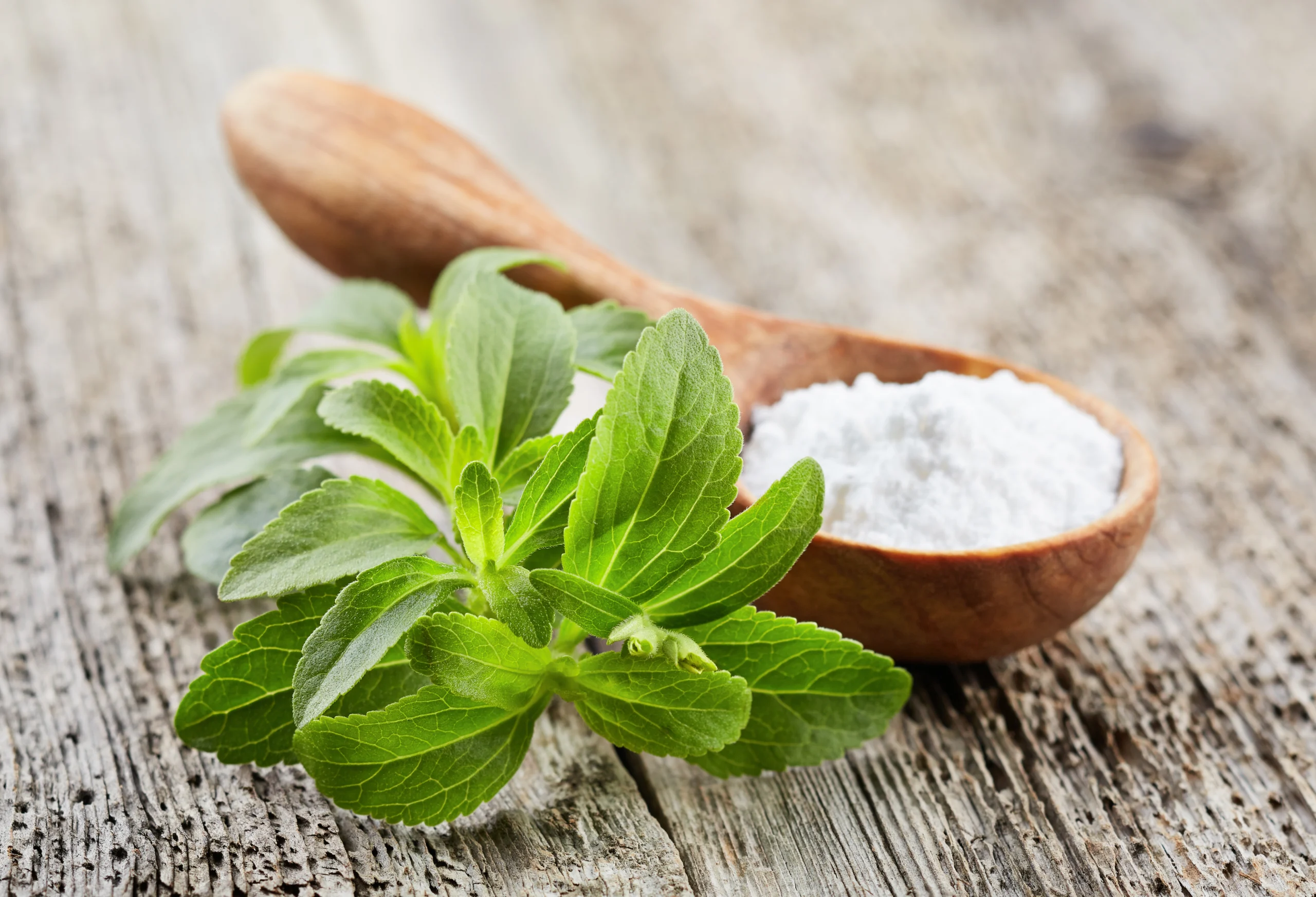
WHAT IS STEVIA — AND CAN IT ACTUALLY TASTE GOOD?
Most products you find on supermarket shelves still use cheap, lower-grade stevia that leaves lingering metallic aftertaste. That’s NOT the extract used in TECHNO-MIXERS.