MAGNESIUM GLYCINATE TASTE EXPLAINED: WHY IT’S BITTER, METALLIC, AND FISHY

Quick Summary
Magnesium glycinate is one of the gentler, better-absorbed forms of magnesium on the market — and one of the harder ones to actually get down. The complaints are consistent: a lingering alkaline bitterness, a sharp metallic tang, and sometimes a fishy or briny off-note from manufacturing byproducts. That lingering magnesium glycinate bitter aftertaste comes down to simple pH chemistry, not a bad batch — covered in full detail at the bottom of this article for anyone who wants the science.
TECHNO-MIXERS was built to handle that combination: liposomal entrapment binds the bitter and metallic species before they reach your taste buds, receptor-blocking phospholipids blunt what gets through, and a layered sweetener system handles the rest. More on how to take it, and what the liposomal research actually shows, further down.
If you already know which mixer you need for your Magnesium Glycinate drink, here are quick links to these flavors in pump bottles. If you want the full picture — including how to take it, and what the liposomal bioavailability research actually shows — keep reading.
Orange Cream, Lemon Curd, Peach Mango, Strawberry & Cream, Bubble Gum, Cherry, and Raspberry
Magnesium glycinate is one of the most recommended forms of magnesium on the market, prized for being gentler on digestion than magnesium oxide or citrate while still delivering strong absorption. With magnesium insufficiency widespread in modern diets and a growing research base connecting it to muscle relaxation and stress response, magnesium glycinate has become a staple dietary supplement.
Sleep is one of the top reasons people reach for magnesium glycinate in the first place. Magnesium’s calming effect works through two complementary channels: it acts as a natural NMDA-receptor antagonist, dampening excessive excitatory glutamate signaling, and it supports GABA-A receptor activity, reinforcing the nervous system’s primary inhibitory “braking” pathway — the same receptor system targeted by many prescription sedatives, just modulated far more gently. Magnesium also plays a role in regulating HPA-axis activity, the body’s central stress-response circuit, which is thought to contribute to the reductions in circulating cortisol and improvements in subjective sleep quality reported in magnesium repletion studies. That combination is the leading mechanistic explanation for why correcting magnesium insufficiency is so consistently linked to better sleep, and it’s part of why magnesium glycinate has become a go-to nightly supplement — which makes it all the more frustrating that getting it down often means fighting through a flavor nobody asked for.
Typical User Complaints
- A bitter, alkaline aftertaste that lingers, sometimes described as stale moisture or mold
- A sharp metallic tang, like licking a coin or unpolished cutlery
- A fishy, briny, or ammonia-like off-note, especially in lower-quality batches
- A salty undertone layered on top of the bitterness
- Clumping or a gritty residue when mixed into cold water
- Sweeteners alone struggling to fully cover the combined bitter-metallic-salty profile
How TECHNO-MIXERS Can Help
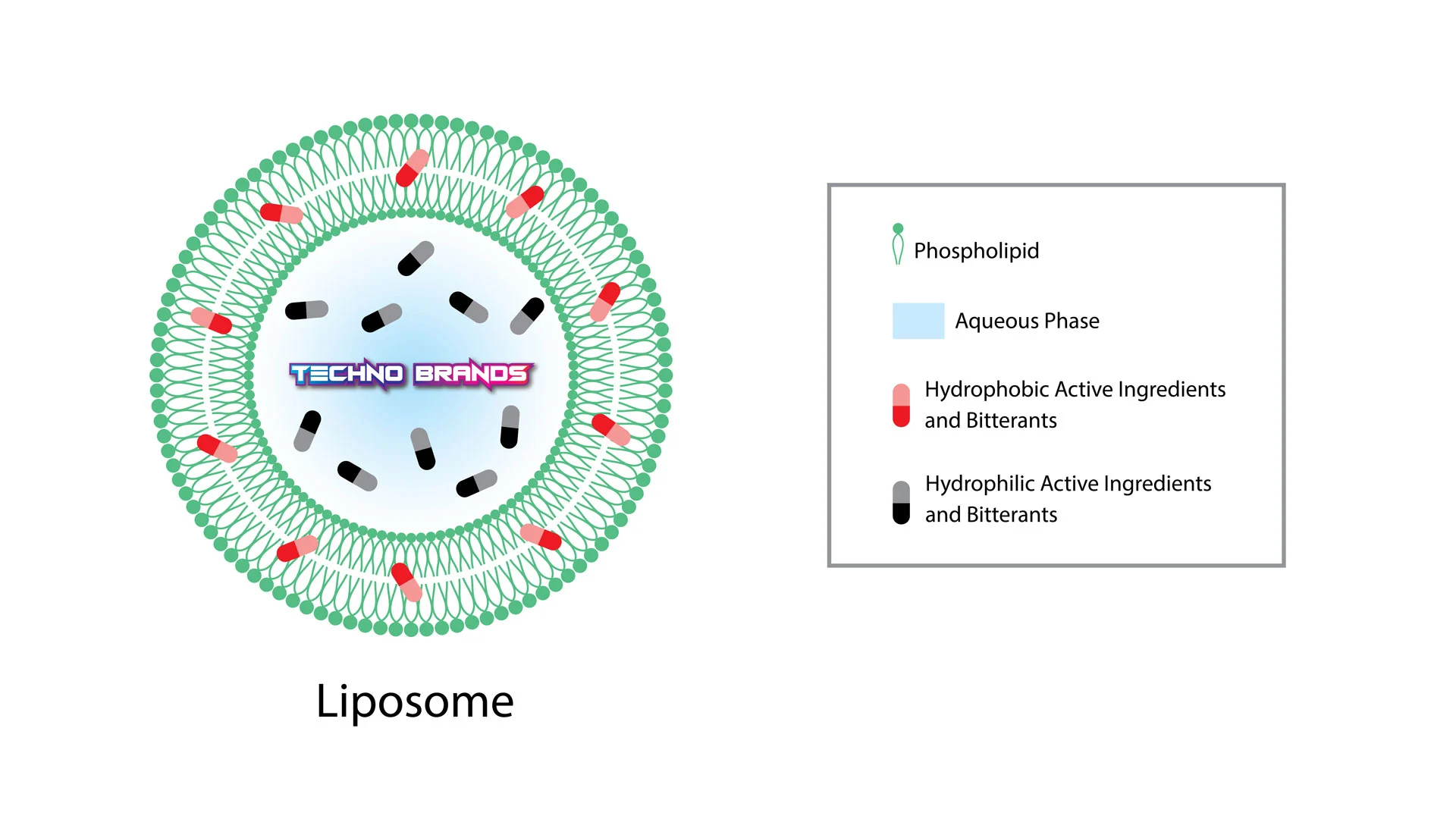
TECHNO-MIXERS’ core mechanism is physical entrapment: the oil and phospholipids in sunflower lecithin self-assemble into tiny liposomes suspended in water, and when they contact your magnesium glycinate, bitter and metallic-tasting species — along with any residual amine byproducts — bind to those liposomes, minimizing their direct contact with your taste buds. Since metallic taste depends heavily on that direct contact and on oxidative reactions occurring at the tongue’s surface, limiting that contact addresses the metallic note at its source rather than just trying to out-sweeten it.
Beyond physical entrapment, minor phospholipids naturally present in lecithin — phosphatidylserine and phosphatidic acid — are documented to interact directly with taste buds and block recognition of unpleasant tastes, adding a receptor-level layer of bitterness suppression that works specifically against the alkaline-triggered bitterness described above.
TECHNO-MIXERS also includes a proprietary blend of plant-derived extracts, classified as natural flavors, that are selected specifically for their taste-masking properties rather than for imparting flavor of their own — compounds in vanilla and caramel, for example, measurably reduce perceived bitterness and enhance sweetness at levels too low to taste directly.
This is layered with a blend of low- and high-intensity sweeteners — allulose, glycerin, monk fruit extract, and stevia extract — chosen to maximize taste masking and improve mouthfeel while minimizing calories. The stevia used is purified to the point of being essentially undetectable on its own, while monk fruit contributes its own taste-modulating and masking effect on top of sweetness, which matters here since sweetness alone tends to struggle against magnesium’s bitter-metallic-salty combination.
All of this — entrapment, receptor blocking, and layered sweetness — is the taste-masking base that separates TECHNO-MIXERS from an ordinary flavored syrup. But the recognizable flavor on the label still matters: it’s technically a minor contributor to the masking mechanism itself, but it’s what lets your brain integrate the taste bud and olfactory signals into something familiar and pleasant rather than something to grimace through.
How to Take Magnesium Glycinate
Most people take magnesium glycinate one of three ways: in capsules, as loose powder stirred into water or a shake, or increasingly as a ready-mixed liquid. Capsules sidestep the taste problem entirely, but typical capsules deliver only 100–200 mg of elemental magnesium each, so hitting an effective nightly dose often means swallowing several at once — and for anyone already juggling a handful of other supplements, that adds up fast. Since magnesium glycinate’s taste isn’t exactly pleasant, magnesium glycinate how to take and magnesium glycinate what to take with are two of the most common searches about it. That’s exactly the gap a dedicated magnesium glycinate mixer like TECHNO-MIXERS is built to fill: a small amount added to your usual glass of water turns a dose most people choke down into something you’d actually choose to drink.
Recommended TECHNO-MIXERS Flavors for Magnesium Glycinate
For the bitter, metallic, and fishy notes of magnesium glycinate, the following flavors work best: Orange Cream, Lemon Curd, Peach Mango, Strawberry & Cream, Bubble Gum, Cherry, and Raspberry.
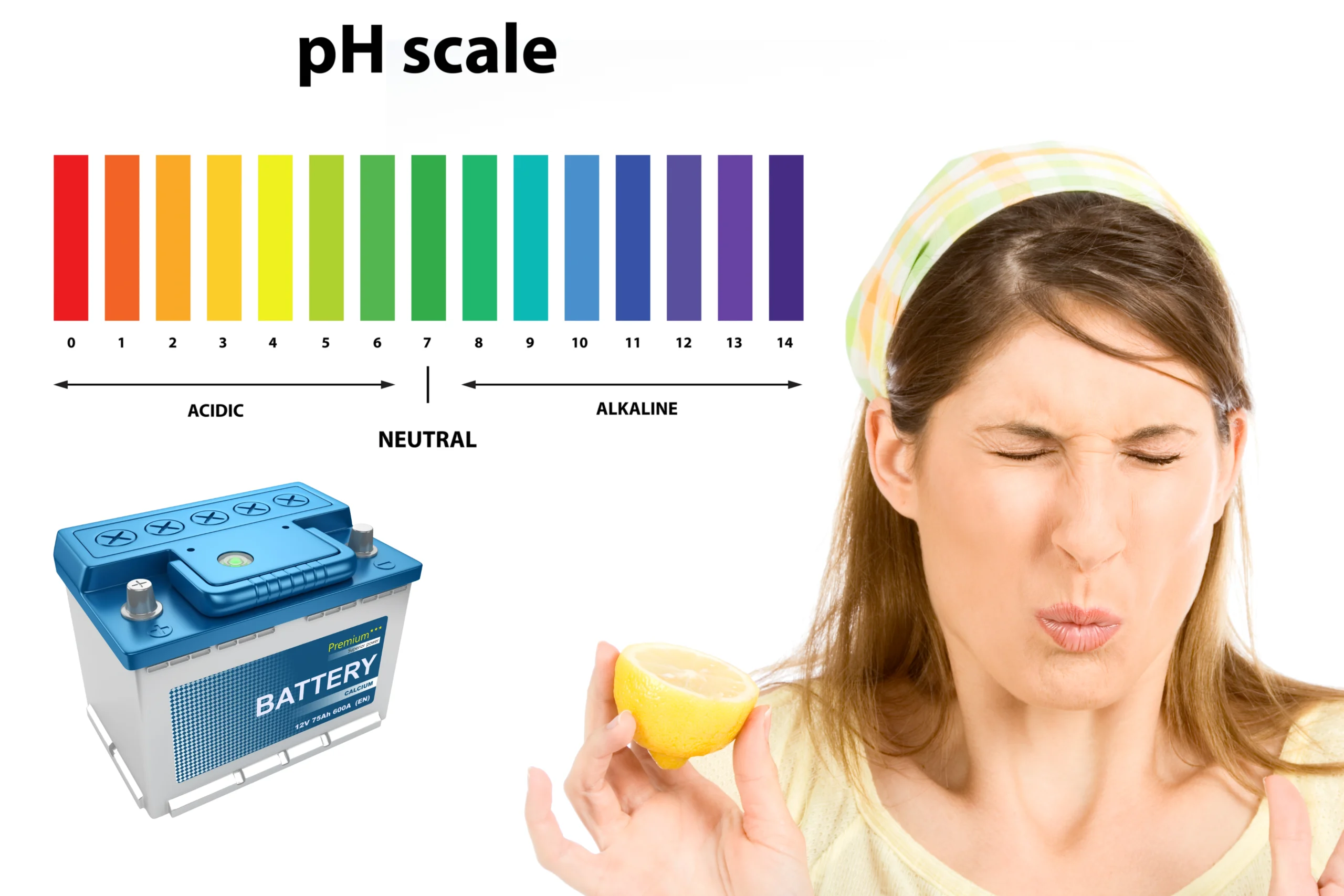
Flavor is only part of the solution, and the other key factor is magnesium glycinate’s alkalinity. You’ll see this confirmed through a color change: the brown lecithin in TECHNO-MIXERS will turn bright yellow when mixed with magnesium glycinate or other alkaline drinks. This color change is normal and reversible. While TECHNO-MIXERS were designed to deal with excess acidity, they don’t address alkalinity. The fix is easy: simply add citric acid, lemon juice, lime juice, or even vinegar. The bright yellow color will disappear, the drink will look more coffee-cream, and the metallic, bitter, and fishy notes will immediately go away. If you stack magnesium glycinate with an acidic supplement, e.g., citrulline malate or N-acetyl-cysteine, this step may not be necessary.
Why Does Magnesium Glycinate Taste Bad?
The core problem starts with magnesium itself, not the glycine it’s bonded to. Magnesium compounds are inherently alkaline, and the human tongue is highly sensitive to alkalinity — high pH tends to trigger the same bitterness receptors that flag many naturally toxic or spoiled substances, an evolutionary trait that has nothing to do with whether the compound is actually harmful. That’s why virtually every magnesium salt, not just glycinate, carries some degree of bitterness by default.
The metallic note reported alongside the bitterness is its own distinct sensory phenomenon rather than simply “very bitter.” Metallic taste is generally attributed to a combination of direct interaction with taste receptors and oxidative reactions that metal ions can trigger on the tongue — a mechanism closer to what you’d notice licking a coin or unpolished cutlery than to a typical plant bitterness.
The glycine half of the molecule is, ironically, one of the sweeter-tasting amino acids on its own — its name literally derives from the Greek glykys, “sweet.” But chelating it to magnesium changes the picture, and the manufacturing process can leave behind residual amine byproducts, chemical relatives of ammonia. Those amines are the most likely source of the “fishy” or briny off-note some users report, a separate mechanism from the alkaline bitterness and one that varies more by manufacturing quality than by the “glycinate” label alone.
That manufacturing variability matters more than most labels let on. “Magnesium glycinate” describes a chelate — magnesium fully bonded to two glycine molecules — but if that reaction isn’t complete, what you’re actually getting is closer to a mix of unreacted magnesium oxide and free glycine. That under-reacted mixture tends to taste noticeably more sharply bitter and metallic than a properly chelated product, which is part of why taste (and tolerability) can vary meaningfully between brands selling the same nominal ingredient.
On top of taste, magnesium glycinate is more water-soluble than magnesium oxide but still doesn’t dissolve cleanly in a small glass of cold water — it commonly clumps unless it’s given more liquid, some warmth, and time to mix, leaving a gritty residue for anyone who doesn’t.
Liposomal Magnesium Glycinate: Can Phospholipids Improve Absorption?
Absorption is where the case for a liposomal approach gets more interesting than the taste-masking story alone. Conventional magnesium supplementation is limited less by solubility — magnesium glycinate dissolves reasonably well — and more by the gut’s finite capacity to actively transport magnesium, which is part of why oral bioavailability tends to fall as dose rises and why most chelated forms top out around 30–40%, with magnesium oxide considerably lower still.
A 2018 human crossover study published in the European Review for Medical and Pharmacological Sciences tested this directly: researchers compared a phospholipid-coated magnesium ingredient, marketed as “Sucrosomial” magnesium (technically a sucrose-ester/phospholipid matrix rather than a classic liposome, but built on the same phospholipid-membrane principle), against magnesium citrate, magnesium oxide, and magnesium bisglycinate — the same compound as magnesium glycinate — in ten healthy adults. The phospholipid-coated form showed a statistically significant absorption advantage over magnesium oxide in blood and red-blood-cell magnesium, and outperformed magnesium bisglycinate specifically in urinary magnesium recovery, one of the few head-to-head data points showing a phospholipid-based delivery system beating glycinate on absorption rather than just matching it.
That evidence, plus the broader literature on phospholipid-complex and liposomal delivery improving absorption of other poorly bioavailable actives, is part of why liposomal magnesium glycinate products have already reached the market — several brands now sell magnesium bisglycinate combined with a sunflower-lecithin phospholipid shell, the same delivery chemistry TECHNO-MIXERS is built on. None of the commercial versions we’re aware of publish their own product-specific bioavailability data, so as with most “liposomal” supplement claims, the mechanism is well-supported in principle even though a head-to-head human trial on any single branded product doesn’t yet exist.
TECHNO-MIXERS is built on that same phospholipid-binding principle. Mixed with your magnesium glycinate dose, it doesn’t just mask the bitterness — it creates a liposomal magnesium glycinate preparation using the same sunflower-lecithin chemistry studied above, making TECHNO-MIXERS not just a magnesium glycinate masker, but a plausible magnesium glycinate booster too.