WHY DOES CREATINE TASTE BAD? THE MANUFACTURING CHEMISTRY NOBODY TALKS ABOUT
Quick Summary
Sometimes creatine monohydrate is flavorless, sometimes bitter, and sometimes it carries a fishy edge. Complaints trace back to two entirely different manufacturing byproducts — dicyandiamide that can be in issue with either production route, and residual amines left over from the older and cheaper industrial process. Are we the first ones in supplement blogging to break the truth to you? It sure looks like this.
The good news is that none of these issues have to get between you and your dose. Below, we break down exactly what’s behind each complaint, citing the actual process patents involved, and show how a dedicated creatine mixer can neutralize bitterness, sourness, and grit regardless of which manufacturing route your tub came from.
If you already know which flavor for creatine you want, here are quick links to these flavors in pump bottles. If you want the full picture — including how to make a creatine drink that doesn’t taste like chemistry homework and what the liposomal creatine research actually shows — keep reading.
Cherry, Raspberry, Bubble Gum, Peach Mango, Orange Cream, Lemon Curd, and Passion Fruit
Creatine monohydrate is, by a wide margin, the most researched sports supplement on the market — there’s no shortage of articles covering its benefits for cognition, strength, power output, and muscle energy metabolism. We’re not going to rehash that here. Instead, this article zeroes in on much narrower questions that gets surprisingly sloppy treatment online: why does creatine taste bad, what makes it smell funky, and what’s root cause of differences between different brands and batches?
If you’ve taken creatine for any length of time, you’ve probably noticed it isn’t always the same experience from brand to brand or tub to tub. Sometimes it’s genuinely flavorless. Sometimes it’s bitter. Sometimes — and this is the one nobody explains well — it smells fishy. These are three different phenomena with three different causes, and most of the content written about them flattens all of it into vague references to “impurities” or “poor manufacturing” without saying what those impurities actually are.
We dug into the patent literature to deconvolute. Here’s what we found.
Complaint #1: Gritty, Chalky Texture (Not a Taste Issue at All)
Before getting into taste, it’s worth separating out the most commonly reported complaint, because it isn’t really about taste: texture. Creatine monohydrate has limited water solubility — its crystalline structure doesn’t fully dissolve at typical mixing ratios, so you end up with fine particles settling at the bottom of the glass or a gritty mouthfeel. This is a physical property of the molecule itself, not a sign of contamination or low quality. It happens with pure, high-grade creatine just as much as with cheap creatine. We mention it only to rule it out — texture (or mouthfeel) is not the subject of this article. To better understand the difference between mouthfeel, taste, and flavor, read our article on taste vs. mouthfeel (a taste vs. flavor piece is in the works).
Complaint #2: Bitter, Sour, or Metallic Taste
This is the most frequently reported taste complaint, and it shows up consistently across reviews and forum discussion: bitterness, (mild) sourness, or metallic edge that some people pick up immediately and others don’t notice at all.
One quick disambiguation worth making up front: a lot of “sour” complaints aren’t actually about creatine monohydrate at all — they’re about creatine hydrochloride (creatine HCl). HCl is, chemically, creatine bonded to hydrochloric acid (a.k.a. muriatic acid), so a distinctly tart, sour, even lemon-juice-like taste is expected and intentional for that form, not a defect. If you’re using Creatine-HCl and it tastes very sour, that’s simply what HCl tastes like. True sourness is much less common in monohydrate specifically; when people describe monohydrate as “sour,” they’re usually either describing the bitter/metallic note covered below, or tasting early degradation — monohydrate that has picked up moisture and started converting toward creatinine, which can read as a sour off-note. We come back to HCl-specific recommendations later in this article.
Okay, now that we’ve differentiated Creatine-HCl, let’s get back to Bitter/(Mildly)Sour/Metallic notes in Creatine Monohydrate. These are generally tied to the dominant industrial production route for creatine: the reaction of sarcosine (or sodium/potassium sarcosinate) with cyanamide. This is a well-established, alkaline-pH process, but it has a known side effect — under alkaline conditions, cyanamide partially dimerizes into dicyandiamide, and related nitrogen byproducts can carry through into the finished product if purification is incomplete. Dicyandiamide and similar residues are bitter, and they’re the most plausible explanation for the bitter/metallic complaints. Manufacturers that purify aggressively (multiple recrystallizations, washing, bitterness-removal steps) end up with a cleaner-tasting product; manufacturers that cut corners on purification don’t.
This isn’t just an inference on our part — it’s documented directly in the process patents themselves. A Chinese process patent (CN1240207A, filed 1998, granted as CN1097578C), which describes an industrial-scale route to high-purity creatine monohydrate, states outright that creatine produced from the sarcosine-cyanamide reaction has an “intolerable bitter taste” caused by dicyandiamide and related cyanamide-derived impurities formed as a side reaction, and that this bitterness is “unacceptable and toxic and must be removed.” The patent’s own examples describe crude creatine monohydrate coming out of the reaction at 98.5% purity with what the inventor calls a “heavy bitter taste,” before any debittering step is applied. To fix this, the process adds a dedicated wash step — suspending and stirring the crude product in a dilute solution of a reducing agent such as sodium thiosulfate, sulfite, hypohalite, or hypophosphite — specifically to strip out the bitter dicyandiamide residue before the product is considered food- or supplement-grade. In other words, an industry insider’s own patent filing confirms both the source of the bitterness (cyanamide side-reaction byproducts) and that manufacturers have to take a deliberate extra step to remove it — which lines up exactly with why purification quality varies so much from brand to brand, and why some tubs still taste bitter: that debittering wash step is easy to skip or shortcut.
This is the complaint most existing content actually gets roughly right, even if it doesn’t cite sources. It’s also a different chemical problem from the one we care about most in this article.
Complaint #3: The Fishy-Smell Mix-Up With Carnitine
Before getting to the real fishy-taste issue, it’s worth clearing up a common point of confusion. A lot of writing about “creatine and fishy smell” is actually describing a completely different supplement and a completely different mechanism: L-carnitine. Gut bacteria can metabolize carnitine into trimethylamine (TMA), a compound with a strong fishy odor that gets excreted through sweat, breath, and urine — this is body odor after ingestion, caused by a different molecule entirely, and it has nothing to do with what creatine itself smells or tastes like in the tub or in your shaker bottle.
Because creatine and carnitine are frequently stacked together in pre-workout and recovery products, the two get conflated constantly online. If what you’re noticing is a fishy smell on your breath or skin after a workout, that’s a carnitine/TMA story, not a creatine manufacturing story. If what you’re noticing is a fishy smell or taste in the powder or the mixed drink itself, that’s something else — and that’s the part worth actually investigating.
Complaint #4: The Amine Problem — and Why Almost Nobody Explains It
This is the part that’s genuinely underexplained in consumer-facing content, and it’s the main reason we wrote this article.
Search around for “why does creatine smell fishy” and you’ll find plenty of vague gestures toward “manufacturing impurities” or “residual amines,” almost always as a single unsupported sentence with no further detail. Nobody seems to have actually traced this back to a manufacturing route. We did.
Creatine can be synthesized via more than one industrial pathway, and not all of them start the same way. One well-documented route produces the key intermediate — sodium sarcosinate — by reacting chloroacetic acid with methylamine, then adjusting the resulting solution to an alkaline pH (commonly in the 9–12 range) with sodium hydroxide and ammonia before reacting it with a guanylating agent. This route is cheaper and has been used industrially for exactly that reason.
The problem: methylamine is a starting material in this route, not just a byproduct, and it’s chemically similar enough to other amines that incomplete purification can leave trace residues behind in the finished creatine. Amines in general — and methylamine specifically — are well known for sharp, fish-like odors and tastes even at very low concentrations. You don’t need much. A few parts per million is enough for a sensitive nose or palate to pick up something “off,” even though an HPLC purity assay might still show the product as 99%+ pure creatine.
This isn’t speculation — it’s laid out explicitly in the patent literature. A 2006 process patent from Alzchem Trostberg GmbH (later granted as US8227638B2 / WO2007115799A1), which describes an alternative, cleaner manufacturing route, spends its background section critiquing exactly this older chloroacetic-acid/methylamine pathway. The patent states plainly that sarcosinate solutions produced this way “usually contain characteristic impurities such as hydrocyanic acid, formaldehyde, chloroacetic acid, iminodiacetic acid, methyliminodiacetic acid, ammonia and methylamine,” and that these compounds “can remain in the final product as impurities.” The whole point of Alzchem’s invention — producing sarcosinate by catalytic dehydrogenation of N-methylethanolamine instead — was to avoid generating methylamine and ammonia in the process at all.
Notably, the CN1240207A process patent referenced earlier in this article uses this exact chloroacetic-acid/methylamine/alkaline-cyanamide route at industrial scale, and its debittering wash step is explicitly designed to strip out dicyandiamide — nowhere does it mention testing for or removing residual methylamine from the finished product. That’s a real gap: a commercialized, patented process can be fully “debittered” and still carry the amine-taste risk this section is about, because the two contamination pathways are chemically distinct and only one of them is being screened for.
In other words: there is a documented, patent-literature-confirmed manufacturing pathway that produces creatine in the alkaline pH range and that is specifically associated with residual amine contamination. This lines up with a pattern we’ve observed directly — a sample of creatine with a noticeably fishy edge tested alkaline on a simple pH check, consistent with this production route, while a tasteless sample from a different supplier showed no such signal. We’re not claiming this proves which specific brands use which specific process — manufacturers don’t generally disclose their synthesis route, and we have no visibility into any single company’s production line. But the chemistry is real, it’s documented, and it offers a far more specific explanation than the hand-wavy “manufacturing impurities” line repeated across most creatine content online.
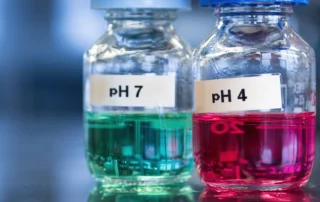
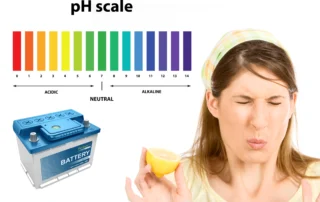
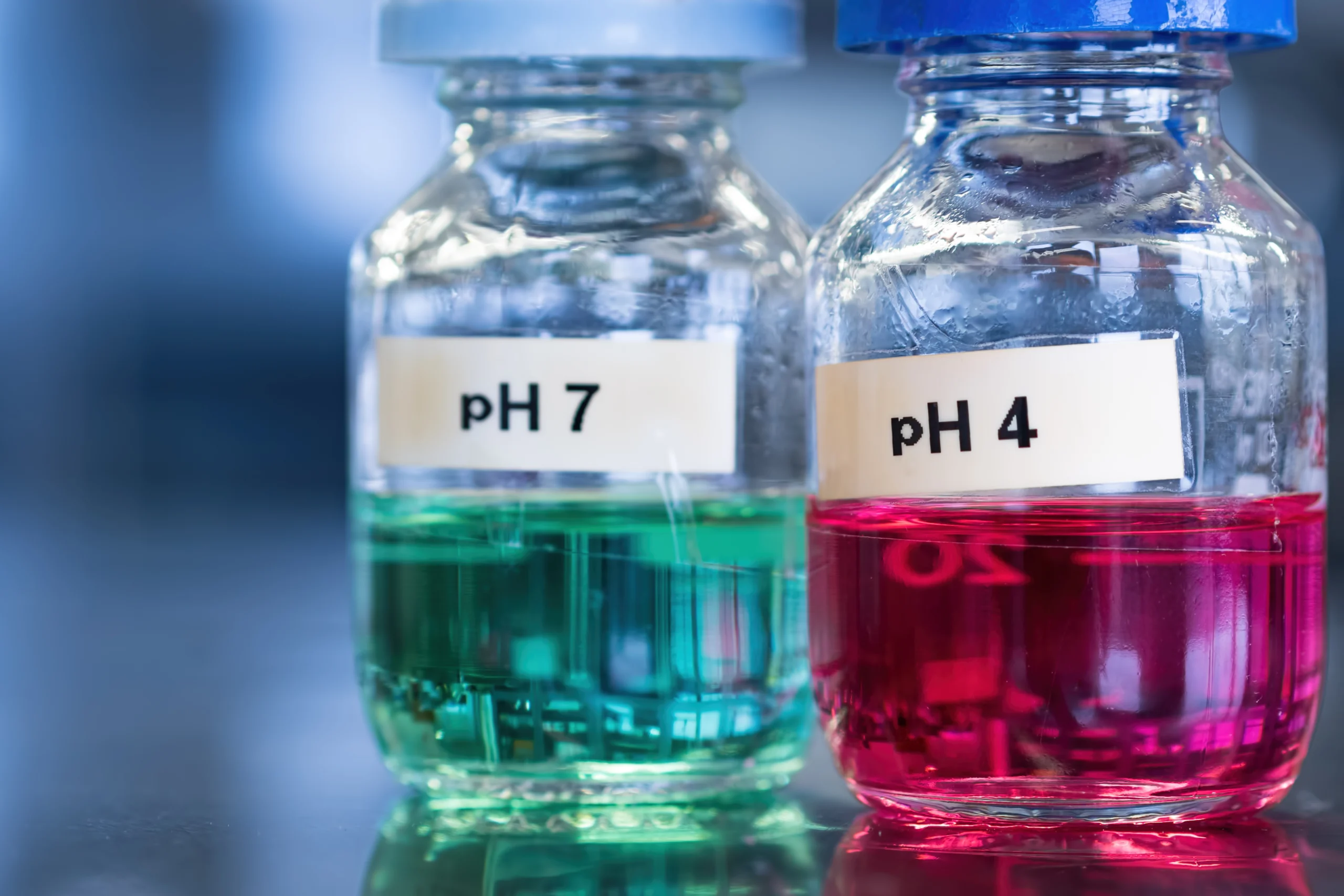
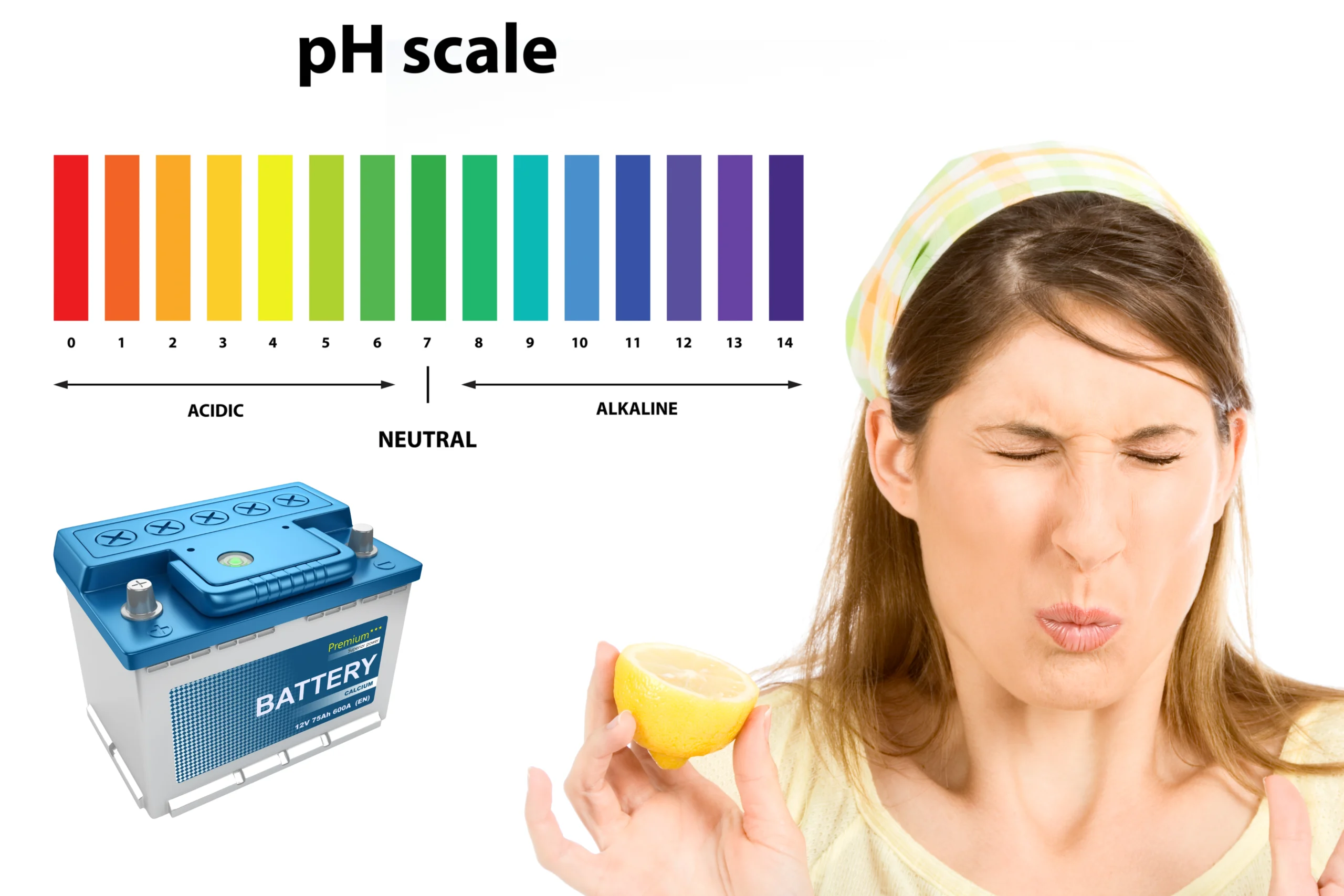
If you want to check this yourself: pure creatine monohydrate dissolved (or rather dispersed) in water should sit close to neutral to mildly acidic. If a “fishy” sample tests alkaline, that’s a strong confirmation to what has been discussed.
Putting It All Together: Bitter and Fishy Are Not the Same Problem
One thing worth spelling out plainly, since it’s easy to assume otherwise: bitterness and fishiness are not two symptoms of the same problem. Not on the chemistry level. A product can absolutely have one, both, or neither. They come from two different contaminants that show up at two different points in the manufacturing process — and fixing one does nothing to fix the other. They are two symptoms of the same integrity problem — the manufacturer cut corners and the distributor decided to sell the batch.
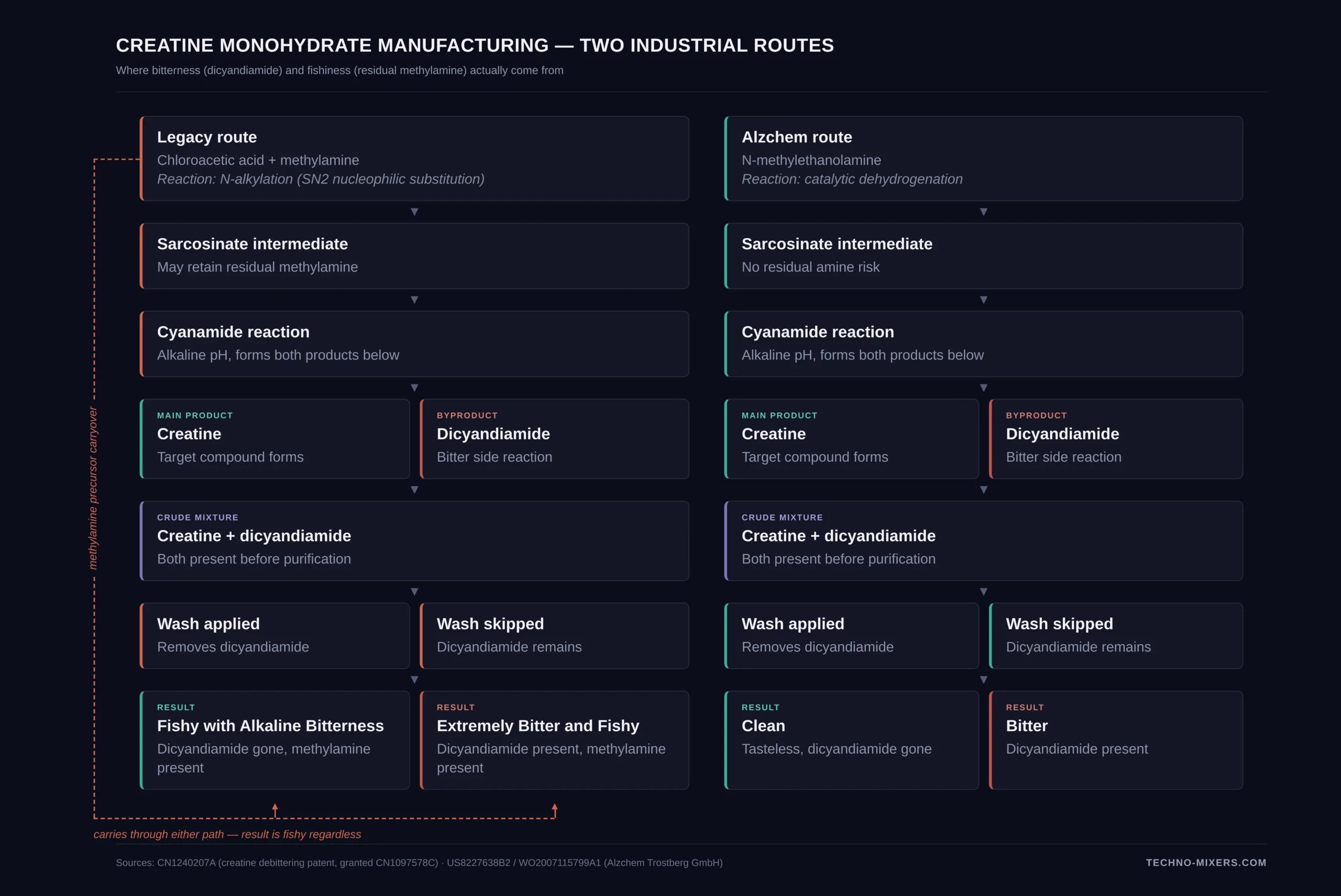
Bitterness comes from dicyandiamide, a byproduct formed later in the process, when the sarcosinate intermediate reacts with cyanamide to actually form creatine. Fishiness comes from residual methylamine, left over from an earlier step, when the sarcosinate itself is first made from chloroacetic acid and methylamine. Because these two impurities form at different stages, a manufacturer can clean up one without ever touching the other. In practice, that means four possible outcomes for any given batch:
- Debitters well but doesn’t screen for amines → not bitter, but still fishy.
- Screens for amines but skips debittering → not fishy, but still bitter.
- Does neither → both bitter and fishy at once.
- Does both well → clean, tasteless product.
Check out the infographic attached to this blog if you like to visualize things.
One nuance worth flagging, since we’ve heard this from readers: a batch that’s both bitter and fishy often seems to taste worse than either problem alone would predict — not just “equally bad in two ways,” but subjectively more bitter than a dicyandiamide-only batch. We don’t have data testing this specific pairing, but there are at least two plausible, separately well-documented explanations, and they’re not mutually exclusive. First, taste and smell aren’t perceived independently — retronasal olfaction gets integrated with tongue-level taste into a single flavor percept, and a congruently unpleasant smell can make a bitter taste read as more intense even when the actual bitter signal from the tongue hasn’t changed; this cross-modal effect is well established in flavor science generally, just not tested for this specific molecule pairing. Second, both problems trace back to the same underlying condition: an alkaline-pH synthesis route. A batch high in residual methylamine is, almost by definition, a batch that ran alkaline, and alkalinity is independently documented to amplify bitter-receptor activation on its own — so a fishy batch may simply be more alkaline overall, which would make it more bitter regardless of any interaction between the two specific molecules. Either way, if you’ve noticed that a fishy batch also tastes unusually bitter, that’s a plausible and mechanistically grounded observation — just not one we can point to a specific study confirming for this exact pairing.
The CN1240207A patent discussed above is a real-world example of the first scenario: its whole purpose is to solve bitterness, and it succeeds at that, but nothing in it addresses amine carryover from the earlier methylamine step. A manufacturer following that process to the letter could reasonably end up with a batch that’s no longer bitter, yet still smells or tastes faintly fishy. So if you ever come across a creatine that’s bitter and fishy at the same time, that’s not a contradiction either — it just means the batch fell into the “does neither” category above, with no meaningful cleanup for bitterness or amine carryover.
What This Means For Your Buying Decisions
A few practical takeaways:
Treat “completely tasteless” as a real signal of creatine quality, not just marketing language. Since the bitter/sour profile is associated with incomplete purification of the cyanamide route, and the fishy profile is associated with residual amines from an alternative route, a creatine that is genuinely flavorless in plain water is doing something right on the purification side, regardless of which synthesis route it used. In our own experience, a MicroIngredients creatine has consistently been tasteless and odorless across multiple purchases — for whatever that single data point is worth, it’s the kind of result you should be looking for.
Strong fishy smell? Return it and buy from a different vendor. We used one large and popular brand until 2023 with no taste issues, but then a batch we purchased had a distinctly bitter taste and fishy smell and an alkaline pH — the exact profile described above where manufacturer didn’t bother to clean up the product at all. The Certificate of Analysis requested showed 98.5% leaving plenty of room to deliver bitterness and fishiness and probably lots of other things. To be clear, we can’t say definitively which manufacturing route or specific contaminant was responsible without lab analysis, and we’re not asserting that every batch is affected. But it’s enough of a data point that, combined with how widely “fishy and bitter creatine” complaints show up around budget brands generally, we’d recommend looking elsewhere. We complained to their customer support but got the cold-shoulder treatment. Not sure if they’ve switched to a better source since then, but we still have the bitter taste in our mouths (pun intended). We will not name them, but they are in Nevada.
Don’t assume bitter or fishy means dangerous. These are quality and purity signals, not necessarily safety alarm. As the saying goes, “the dose makes the poison”: the contaminants that make a batch taste bad are likely still present at low levels and may not affect your health.
If You’re Stuck With a Bad-Tasting Tub Already
Realistically, most people aren’t going to send creatine back or eat the cost of a half-used tub every time a batch tastes off. If you’ve already got creatine — bitter, fishy, metallic, sour, gritty, or all the above — that you don’t want to waste, you don’t have to choke it down or abandon your supplementation altogether.
This is exactly the problem Techno-Mixers was built to solve. Rather than trying to identify and chase down a “perfect” batch every time you reorder, Techno-Mixers’ taste-masking formulation addresses the actual sensory issues — bitterness, off-notes, and the gritty mouthfeel — directly in the glass, regardless of which creatine you’re using or why it tastes the way it does. It doesn’t matter whether the issue is a cyanamide-route bitterness, an amine-route fishiness, or simple solubility grit: the mixer is designed to neutralize the experience so you can take your creatine the way it’s supposed to feel — like nothing at all.
If purity-driven brand-hunting still matters to you (and it should, especially if you’re sensitive to off-tastes), pairing a trusted, genuinely low-impurity creatine with a good mixer is the most reliable way to get both the chemistry and the experience right.
For fishy or bitter creatine batches, we recommend Cherry, Raspberry, or Bubble Gum. For metallic or sour creatine notes, go with Peach Mango, Orange Cream, or Lemon Curd.
If you are using creatine hydrochloride (creatine HCl), then your biggest problem is a strong, sour, even acrid taste. Lemon Curd, Passion Fruit, or Raspberry Techno-Mixers flavors might be your best options, as they are naturally associated with tartness. For an even better effect, try Techno-Fizz, which contains baking soda and has even more acid-quenching power.
One last but very important thing: if your creatine turns the Techno-Mixers color bright yellow (instead of the normal brown), this means your batch is very alkaline. As called out above alkalinity has its own negative effects on taste it registers as bitter and metallic and it also affects mouthfeel and even smell. Try fixing it by adding citric acid or lemon juice — just keep adding until the color goes back to brown.
How to Make a Creatine Drink
Most people take creatine one of four ways: mixed into water or juice, blended into a post-workout shake, or, less commonly, swallowed in capsules or via toss-and-wash method. Capsules sidestep the taste problem entirely, but the typical maintenance dose is 5 grams a day and that results in pill fatigue pretty fast. Toss-and-wash works only with pristine batches.
For anyone stirring creatine into water, juice, or a shake, the real obstacle is creatine taste itself — whether that shows up as the dicyandiamide-driven bitterness discussed above, the fishy, metallic or sour edge some batches carry, or, with creatine HCl specifically, genuine, intentional tartness. A dedicated creatine mixer like TECHNO-MIXERS closes that gap: a serving added alongside your usual scoop addresses the bitterness and off-notes directly, on top of helping with the gritty mouthfeel that comes from creatine’s limited water solubility. Cherry, Raspberry, and Bubble Gum tend to work best for masking fishy or bitter batches, while Orange Cream, Lemon Curd, and Peach Mango pair especially well if you’re dealing with a sour or metallic edge — and if you’re using creatine HCl specifically, Lemon Curd, Passion Fruit, or Raspberry play well with its natural tartness, especially paired with Techno-Fizz for extra acid-neutralizing power. Since the right flavor for creatine really depends on which specific complaint you’re solving for, it’s worth experimenting with a few options to land on what works for your palate and your batch.
Liposomal Creatine: Can Phospholipids Improve Bioavailability?
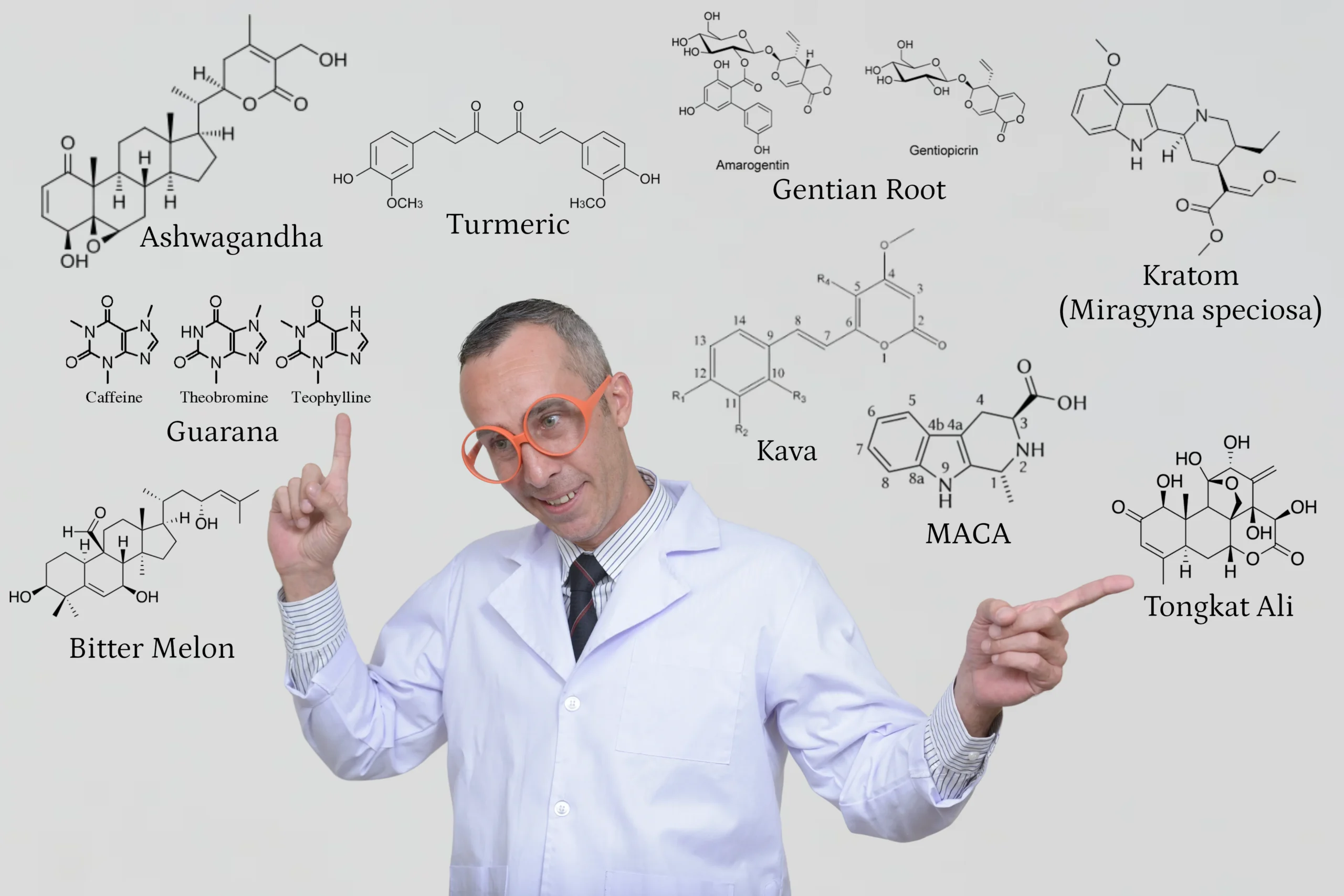
Creatine’s taste problem sits alongside a separate — and, compared to a compound like ashwagandha, considerably less clear-cut — absorption question. Creatine monohydrate is frequently described as essentially 100% orally bioavailable, but that assumption has surprisingly thin direct support. A 2018 study using ¹³C-labeled creatine monohydrate in rats found that absolute oral bioavailability was actually dose-dependent and less than complete: 53% at a low dose (10 mg/kg) and only 16% at a high dose (70 mg/kg), with the researchers linking the drop-off at higher doses to creatine’s limited solubility in the gut lumen rather than to any transporter bottleneck.
That solubility link matters here, because it’s the same physical property — creatine monohydrate’s limited water solubility — that’s responsible for the gritty, chalky mouthfeel covered in Complaint #1 above. In other words, the same molecular limitation that makes creatine settle at the bottom of your glass may also be part of why less of a large dose actually gets absorbed.
Human data on delivery-format comparisons is still sparse. Creatine hydrochloride, which has meaningfully better aqueous solubility than the monohydrate form, has shown a relative bioavailability roughly 50–65% higher than monohydrate in patent-referenced human comparisons — direct evidence that improving creatine’s solubility can measurably shift how much reaches circulation. Separately, a rodent-and-human study examined a lipid multi-particulate (LMP) formulation of creatine monohydrate, evaluating its effects on creatine stability and bioavailability alongside low-dose L-carnitine tartrate; the published results focus on muscle protein synthesis signaling rather than reporting a clean human bioavailability percentage for the LMP formulation on its own, so it’s more a proof-of-concept that lipid-based formulation strategies are being actively studied for creatine than a definitive bioavailability verdict.
That mix of genuinely contested science and a documented case that improving solubility (via the HCl salt) measurably shifts bioavailability is presumably part of why a small but growing number of commercial “liposomal creatine” products have already reached the market. Cymbiotika’s Advanced Creatine uses a phosphatidylcholine (sunflower lecithin) liposomal emulsion built around its own CreaBev creatine monohydrate, and markets a specific claim of 21% more creatine and 15% better absorption compared to standard creatine. Rho Nutrition sells a phosphatidylcholine-based liquid liposomal creatine advertising 95% availability. Codeage sells both powder and capsule versions built on a proprietary “Helix” liposomal delivery system, also derived from sunflower lecithin phosphatidylcholine. None of these specific absorption figures appear to come from independently published, peer-reviewed human bioavailability trials on the branded product itself — they read as company-reported figures rather than third-party-verified data, which is worth keeping in mind before treating any of them as settled.
That commercial validation comes at a real price premium. Dedicated liposomal creatine products currently on the market cost roughly $0.55–$2.70 per daily serving, depending on brand and format (liquid formats run toward the higher end of that range, powders toward the lower end), compared to about $0.15–$0.25 per serving for standard creatine monohydrate powder delivering the same 5-gram dose — a premium that runs anywhere from roughly 3x to over 20x, depending on which liposomal product you compare against. That’s a wider and less consistent spread than you’ll see in other supplement categories, but even at the low end, the gap is too large to be explained by the liposomal encapsulation step alone: sunflower lecithin itself is an inexpensive ingredient, so most of what you’re paying for is the pre-mixing, the packaging format, and the brand — not a proportionally larger amount of active phospholipid.
The liquid liposomal formats specifically deserve an extra dose of skepticism, for a chemistry reason separate from price: creatine monohydrate is known to slowly degrade in aqueous solution, cyclizing into creatinine — an inactive breakdown product — at a rate that increases with time, heat, and lower pH. A pre-mixed liquid product sitting in a bottle for weeks or months is exactly the environment where that conversion happens. This is one place TECHNO-MIXERS has a structural edge: because it’s mixed in immediately before you drink it rather than pre-dissolved and bottled for the long haul, there’s essentially no window for creatine-to-creatinine conversion to occur before you consume it.
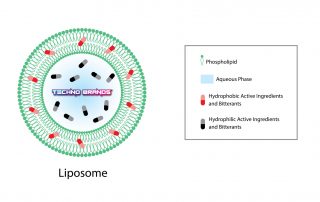
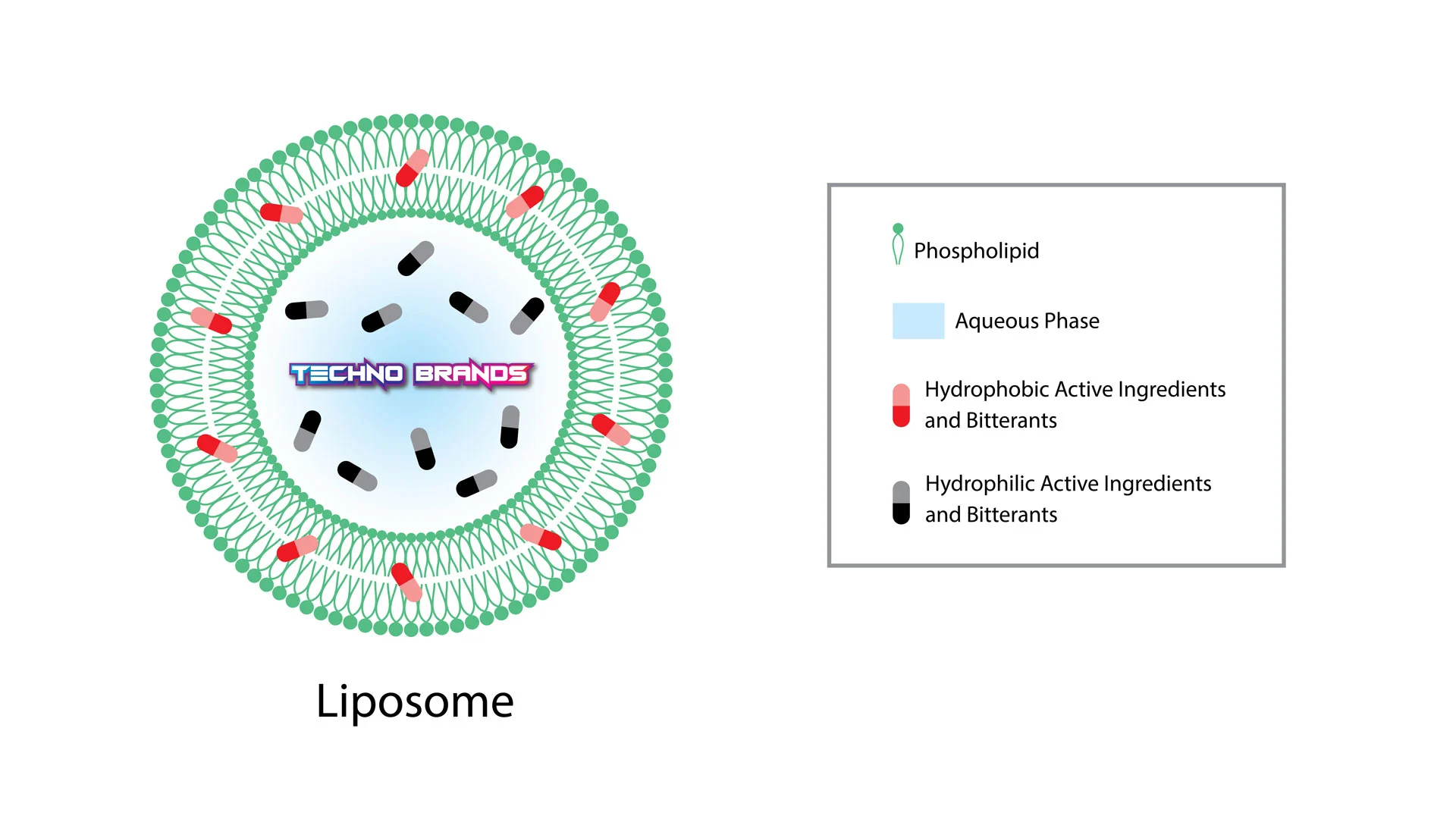
TECHNO-MIXERS uses the same phospholipid self-assembly mechanism: sunflower lecithin liposomes that disperse creatine in solution, addressing the same solubility bottleneck behind both the grittiness complaint and the dose-dependent absorption drop-off above. We’re not aware of human bioavailability data testing this specifically, so we’d call it a proven fix for taste and dispersion, and a mechanistically plausible but unproven assist for absorption — not a guaranteed upgrade. Pairing ordinary creatine monohydrate with TECHNO-MIXERS at the time of dosing is a cost-efficient DIY alternative to buying overpriced liposomal creatine outright, built on the same phospholipid mechanism those products charge a premium for — without the shelf-stability question mark that comes with pre-mixed liquid versions.