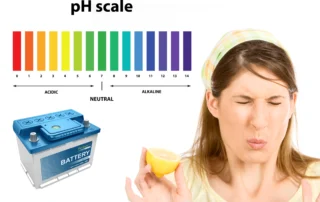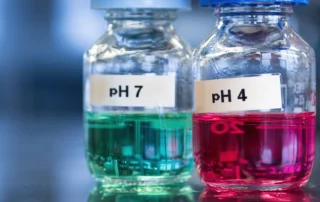
ACIDITY, SOURNESS, AND pH, IN YOUR DRINK: MAKING SENSE OF ALL THE TERMINOLOGY
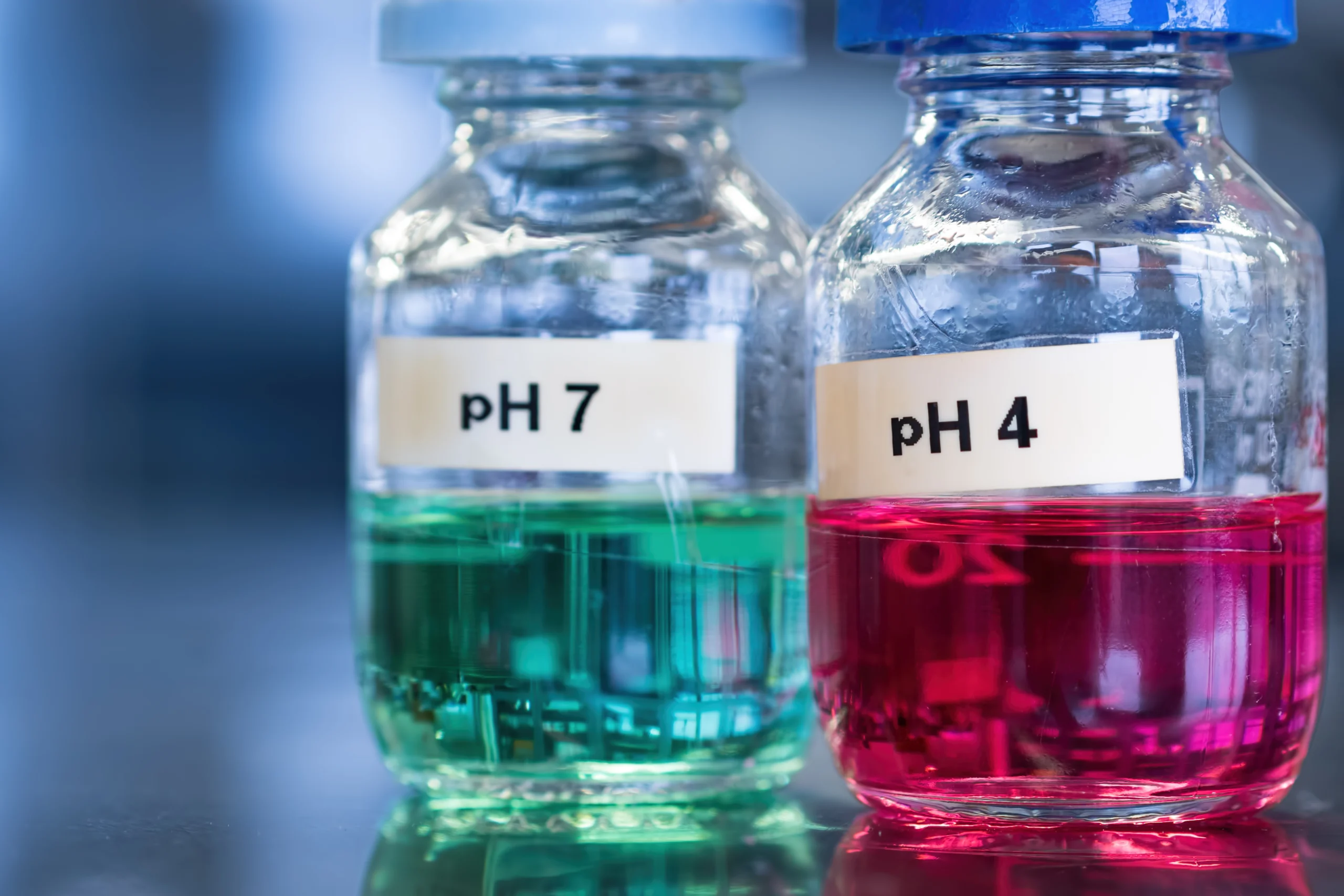
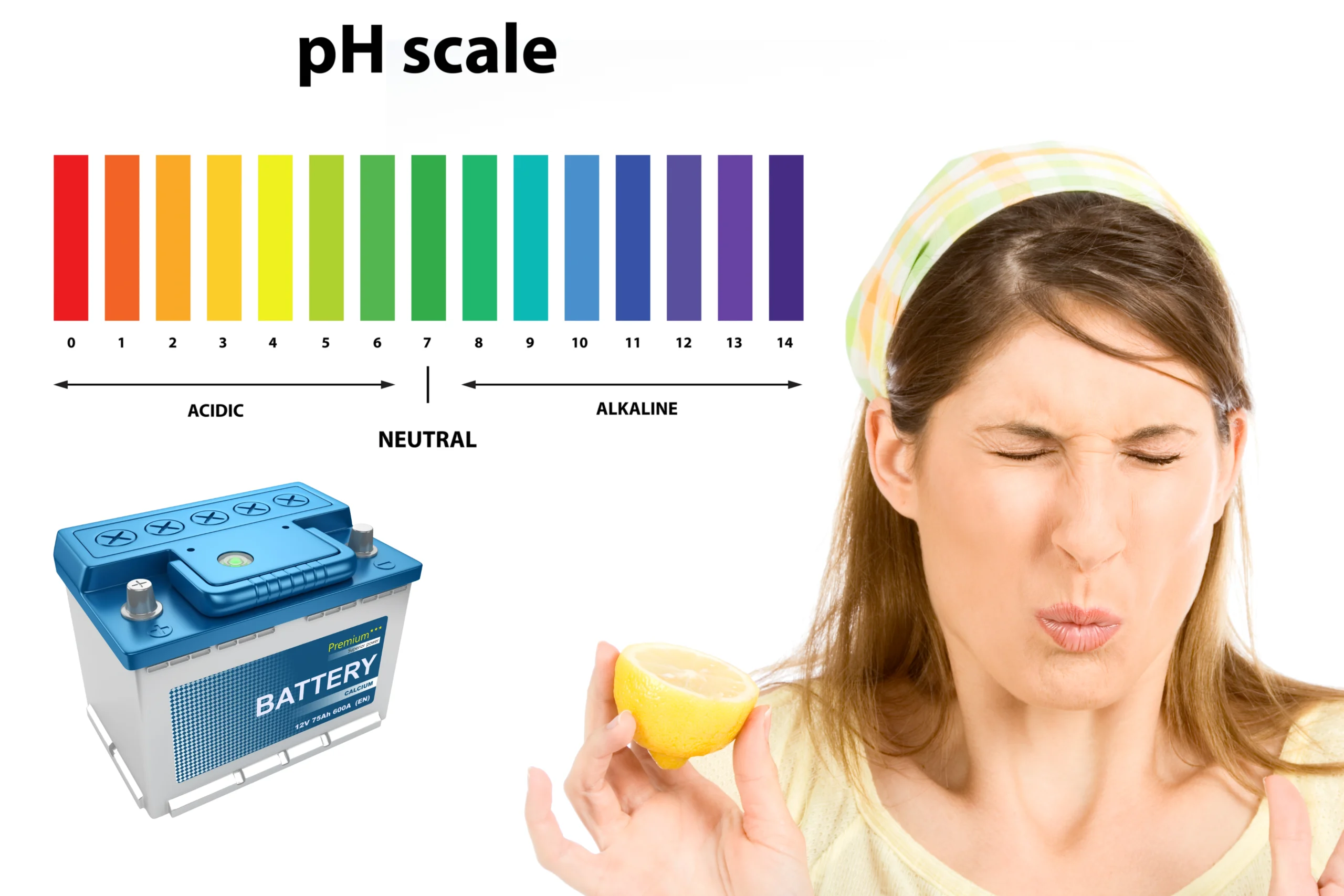
The number that actually predicts sourness (and potential for heartburn) isn't pH, and most labels don't print it.
The number that actually predicts sourness (and potential for heartburn) isn't pH, and most labels don't print it.
Half the burn from a sour supplement shot can be undone with a pinch of soda
Your tongue treats caffeine, TUDCA, and magnesium as three unrelated problems — because chemically, they are
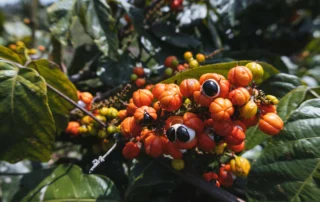
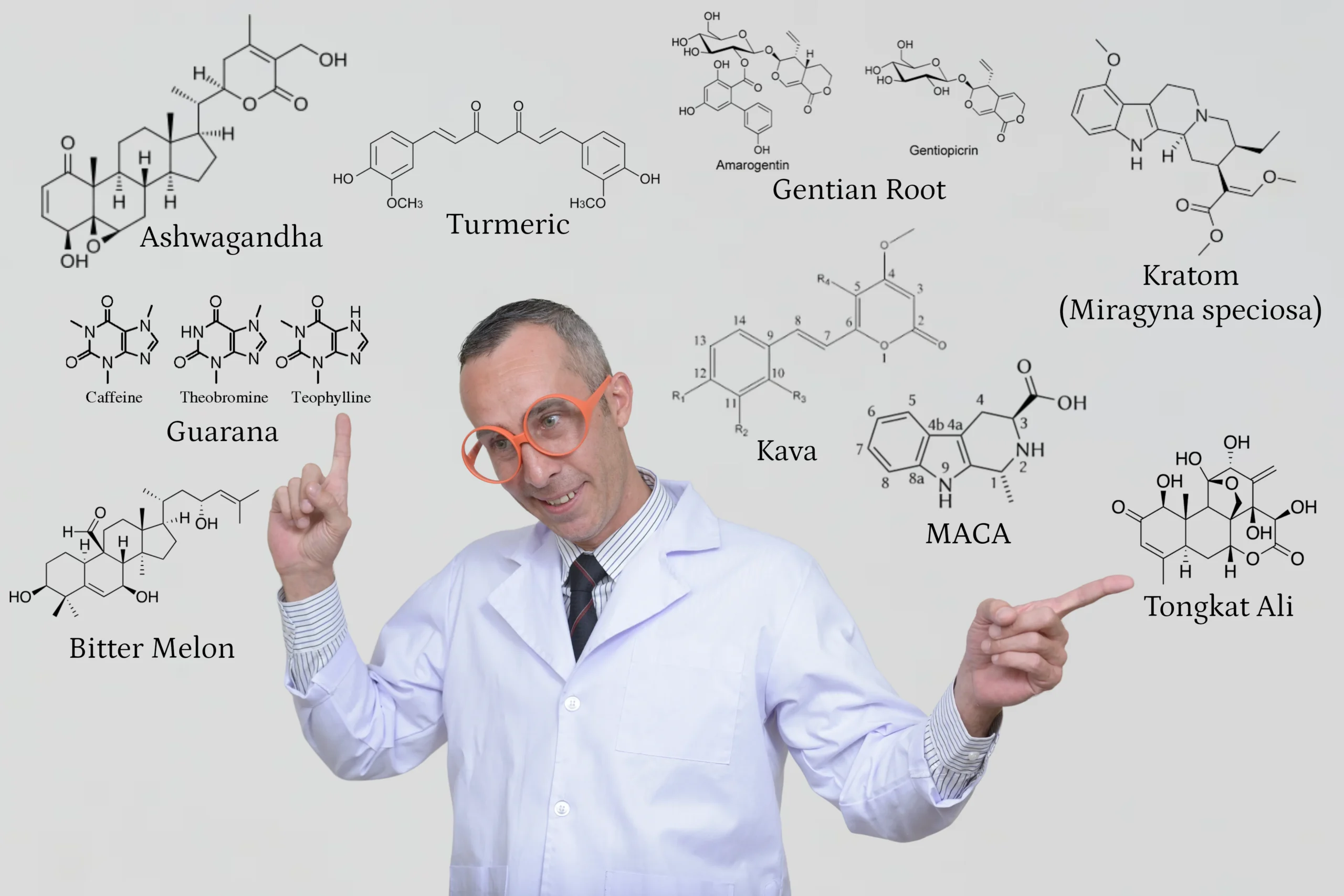
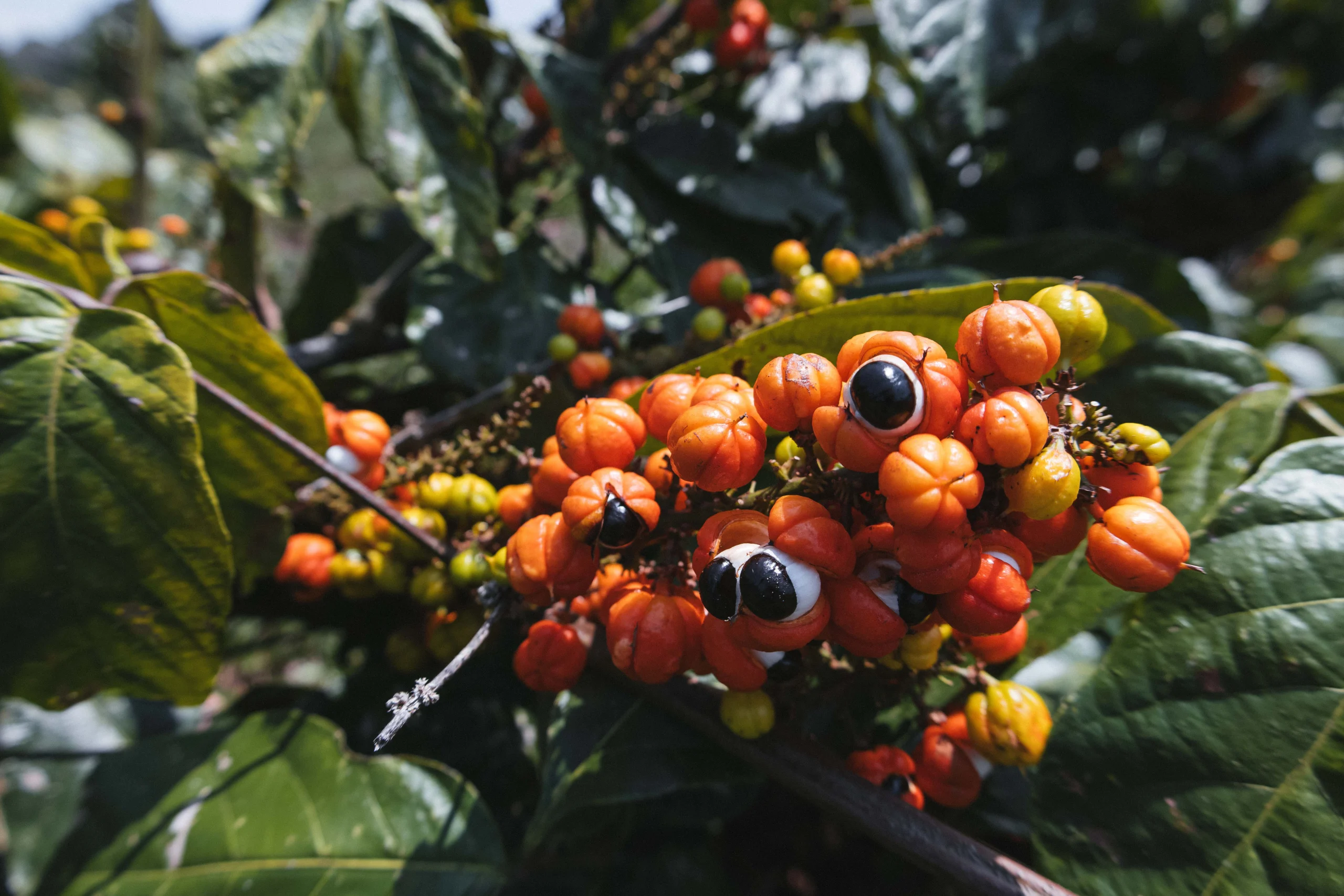
Guaraná may beat caffeine alone as a stimulant — but the compounds doing that work come with a taste and stability cost
The molecule your coffee plant uses to poison insects is the same one giving you your morning buzz — dose is the only thing that changed.
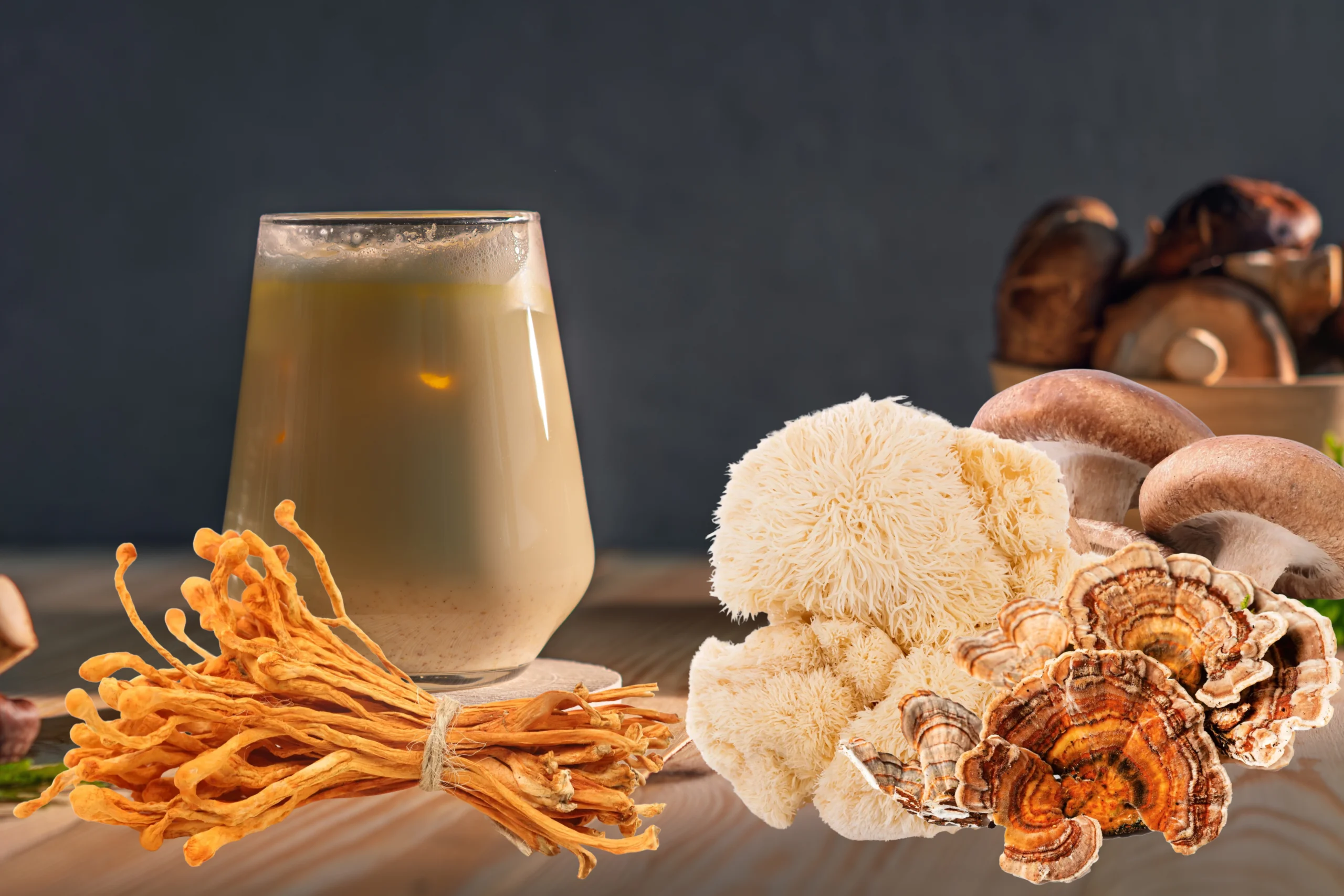
A little bitter. A little too umami. A little too much "forest floor." No single flaw is severe — but stacked together, they're why so many mushroom drinks go untouched.
This goes deeper than the usual creatine blog — it's a bit of a longer read, but it explains why the taste happens and how you can fix it.
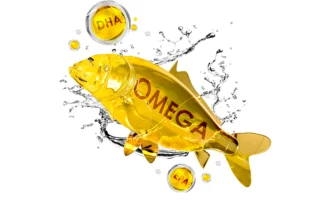
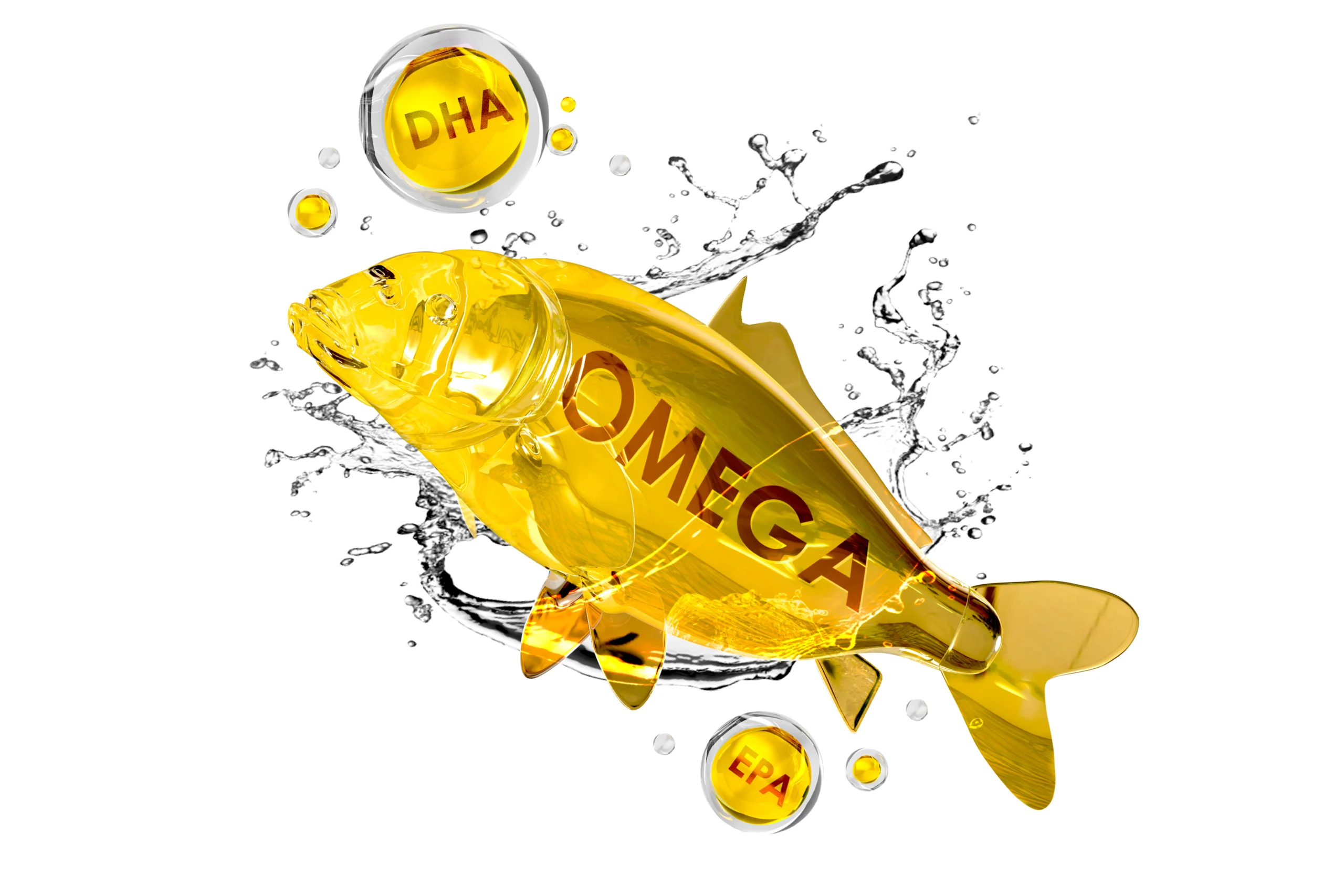
Emulsify it, mask it, boost it — the three-part fix most fish oil drinkers never hear about.
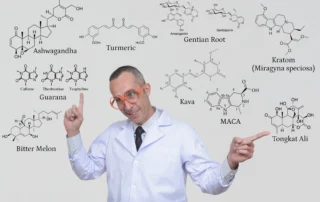
You can't breed out ashwagandha's bitterness without breeding out the benefits that make it work.
That metallic bite isn't bitterness — it's oxidation happening right on your tongue.



*These statements have not been evaluated by the FDA. This product is not intended to diagnose, treat, cure or prevent any disease.