TURMERIC AND CURCUMIN TASTE EXPLAINED: WHY IT’S BITTER, EARTHY, AND PEPPERY

Quick Summary
Turmeric and curcumin come with well-documented taste complaints — a bitter, slightly acrid aftertaste, an earthy, mustard-like aroma, a warm peppery heat, and a gritty, chalky texture that won’t fully dissolve. The full list is right below. The root cause is chemistry: turmerones in the volatile essential oil drive most of the earthy, peppery character, while curcumin itself contributes the bitterness, a topic covered in full detail toward the bottom of this article for anyone who wants the science.
TECHNO-MIXERS was designed to address all of it at once — physically binding the compounds responsible for bitterness and pungency while a layered sweetener system and mouthfeel protection round out what’s left. Peach Mango, Bubble Gum, and Fruity Maple were the strongest matches in our testing, though Orange Cream, Lemon Curd, Cherry, Raspberry, and Strawberry & Cream also performed well. More on flavor pairing further down.
If you already know which mixer you need for your turmeric or curcumin drink, here are quick links to these flavors in pump bottles. If you want the full picture — including how to drink turmeric, how a turmeric mixer compares to store-bought liposomal curcumin, and what actually drives the taste — keep reading.
Turmeric (Curcuma longa) and its signature compound curcumin are among the most extensively studied botanicals in the supplement world, with a research base spanning inflammation, joint comfort, antioxidant activity, and general wellness. That research pedigree is a big part of why turmeric and curcumin extracts show up everywhere from capsules to golden-milk lattes to functional shots — whether as whole dried root powder or as a standardized, concentrated curcuminoid extract. It’s also why so many people have tried it despite a flavor that’s earned a reputation almost as strong as its evidence base. Understanding what actually drives turmeric taste is the first step to fixing it, rather than assuming any sweetener will do.
Typical User Complaints
- A bitter, slightly acrid aftertaste that lingers
- An earthy, “mustard-like” or “dirt” aroma before the first taste even registers, most noticeable with whole root powder
- A warm, peppery, almost ginger-like heat that builds rather than fading
- A gritty, chalky sediment that won’t fully dissolve or stay suspended in water
- Standardized 95% curcuminoid powder that clumps and floats on top of water instead of mixing in
- A sharper, more concentrated bitterness with 95% curcuminoid extract than with whole turmeric root powder
- Yellow-orange staining left behind on teeth, tongue, and cups
- Sweeteners alone “breaking down” partway through the sip, letting the bitterness and pungency resurface
How TECHNO-MIXERS Can Help
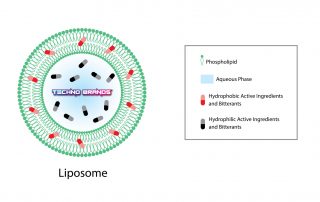
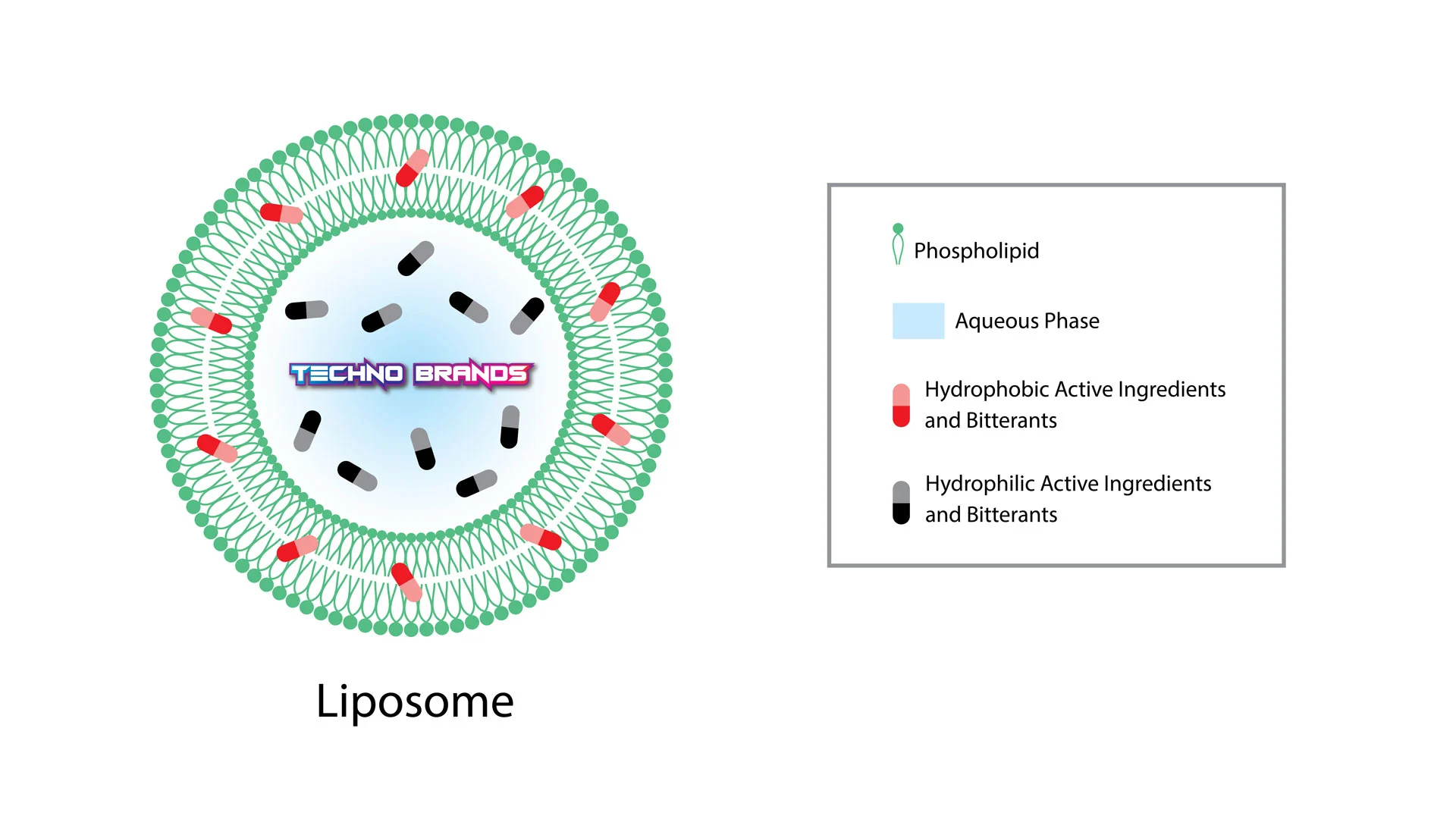
Curcumin’s poor water solubility makes turmeric well suited to TECHNO-MIXERS’ physical entrapment system. Sunflower lecithin forms liposomes in water that bind bitter, bad-tasting turmeric compounds, reducing contact with taste buds while improving dispersion and solubility. This may also support curcumin absorption, offering an alternative pathway to the piperine approach. The effect is especially useful for curcuminoid extract, which lacks whole root’s starch and fiber matrix and is more prone to clumping, floating, and poor wetting.
Turmeric’s warm, peppery pungency is also processed partly through the trigeminal nerve, like ginger heat, capsaicin burn, or alcohol sting. Lecithin, allulose, and glycerin help coat oral surfaces, creating a lubricating barrier that softens this heat separately from bitterness. If you haven’t already, check out this blog on the difference between taste and mouthfeel.
Beyond improved dispersibility and physical entrapment, TECHNO-MIXERS offers several other layers of protection, including receptor blocking, layered sweetness, and the improved mouthfeel mentioned just above. These have been described in more detail here.
How to Take Turmeric: Building an Actual Turmeric Drink
Most people encounter turmeric and curcumin in one of three forms: capsules, a few drops of liquid extract, or loose powder stirred into water or a smoothie. Capsules sidestep the taste problem but trade it for a less flexible dose and contribute to pill fatigue. Liquid extract concentrates turmeric’s bitterness and heat into a single small mouthful. For anyone who wants a real turmeric drink or a curcumin drink with actual volume — something you’d have with breakfast or after a workout — mixing powder or extract into liquid is the practical option.
That’s exactly the gap TECHNO-MIXERS fills. For anyone wondering how to drink turmeric or standardized curcuminoid extract without the funky taste, TECHNO-MIXERS is the turmeric mixer that turns a dose most people can barely tolerate into something you’d actually choose to drink again, whether you’re working with whole root powder or an extract.
The same liposome system that masks bitterness and keeps curcuminoids suspended may also help cross the biological membranes — functioning as a practical turmeric booster for improved absorption and higher bioavailability.
The Case of Liposomal Delivery
Curcumin doesn’t just have low solubility in water, it also has notoriously low bioavailability forcing scientists and manufacturers to find ways to improve it. Several manufacturers already sell pre-made liposomal curcumin products built around this same phospholipid-encapsulation science — and they typically charge a steep premium for it, often several times the per-dose cost of a standard curcumin extract. That premium doesn’t reliably buy a better-tasting product, either: liquid liposomal curcumin reviews are decidedly mixed on taste, with complaints common enough that at least one liposomal brand markets its dry-powder capsule format specifically as a way to avoid “the often challenging taste of common liquid liposomal products” — a tacit admission that liposomal encapsulation on its own doesn’t solve the taste problem. That tracks with everything above: a liposome handles physical entrapment and a bioavailability boost, but on its own it does nothing about receptor-level bitterness, trigeminal pungency, the sweetness curve over a full sip, or acidity.
Mix your own curcumin extract with TECHNO-MIXERS and you’re building the same thing those premium products sell you — a DIY liposomal curcumin, made with the same core sunflower lecithin liposome chemistry — at a fraction of the per-dose cost. You also get more than they do: the taste-masking agents, the layered sweetener system, and the mouthfeel protection that bare liposomal encapsulation leaves out. So it’s not bioavailability or taste, one or the other. You get both, at the cost of your own extract instead of a finished bottle’s markup.
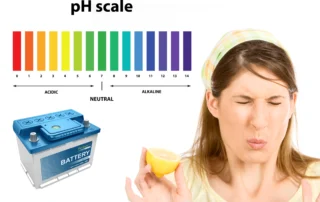
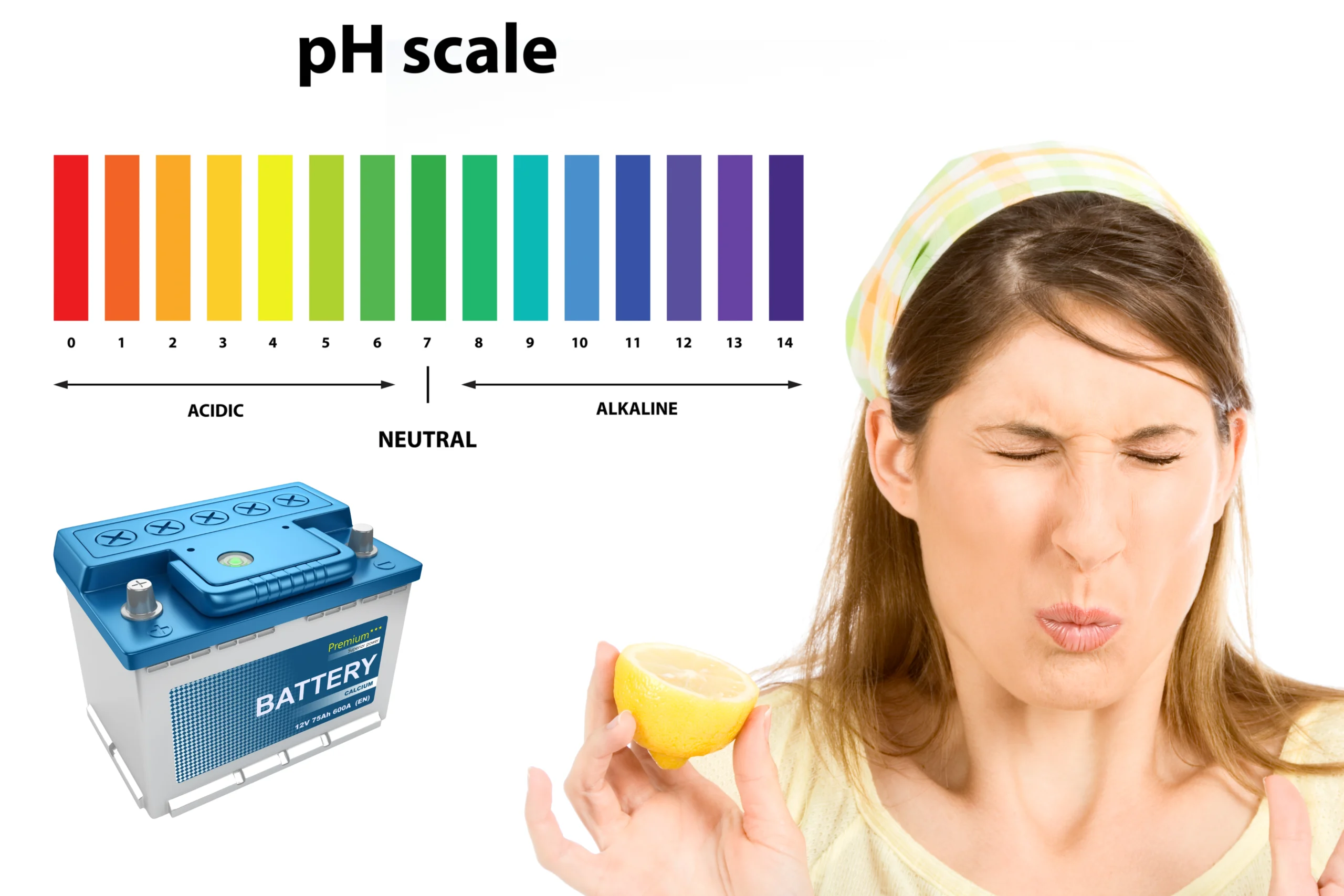
All of this — entrapment, receptor blocking, mouthfeel protection, and acid neutralization — is the taste-masking base that separates TECHNO-MIXERS from an ordinary flavored syrup, whether you’re working with whole turmeric root powder or standardized curcuminoid extract. But the recognizable flavor on the label still matters: it’s technically a minor contributor to the masking mechanism itself, but it’s what lets your brain integrate the taste bud, trigeminal, and olfactory signals into something familiar and pleasant rather than something to grimace through.
Recommended TECHNO-MIXERS Flavors for Turmeric
Different brands of root powders and extracts we tested varied in flavor: some leaned more peppery, while others were more earthy. All had a distinct turmeric note that, unexpectedly, muted much of TECHNO-MIXERS’ own flavor. The bitterness, peppery, and earthy notes were reduced, but the TECHNO-MIXERS flavors also became less pronounced. In our testing, the best matches were Peach Mango, Bubble Gum, Fruity Maple, Orange Cream, Lemon Curd, Cherry, Raspberry, and Strawberry & Cream. A small amount of citric acid or lemon juice can help, but use it sparingly to avoid making the drink too sour.
Most consumers stack turmeric with other supplements that bring in their own notes — black pepper extract (piperine) being a particularly common one worth accounting for. Taste preferences differ between people and it is always worth experimenting with other flavors. It is always best to start with the Assorted Flavors Pack of Techno-Mixers and see which one works best for you and your supplement stack.
Why Does Turmeric Taste Bad?
Curcumin is the compound most associated with turmeric, but by weight it’s a minority ingredient in whole root powder: curcumin averages about 3.1% of commercial turmeric powder, and the full curcuminoid fraction (curcumin plus its close relatives demethoxycurcumin and bisdemethoxycurcumin) rarely exceeds 5–6.6% of the dried rhizome. Classic pharmacognosy references describe the dried, ground rhizome’s taste directly as “bitter, slightly acrid, yet sweet.”
That leaves more than 90% of the rhizome as other material — and a meaningful share of turmeric’s actual flavor and aroma comes from that other material, specifically its volatile essential oil (roughly 3–5% of the rhizome). That oil is dominated by turmerones — ar-turmerone, α-turmerone, and β-turmerone (also called curlone) — which make up 40–50% of it, alongside zingiberene, ar-curcumene, phellandrene, and cineole. Turmeric extract’s characteristic pungent flavor is attributed predominantly to ar-turmerone rather than to curcumin itself, and this same essential oil is what gives whole turmeric its earthy, mustard-like aroma and a warm, peppery pungency — turmeric is in the ginger family (Zingiberaceae), and shares some of ginger’s capacity to trigger warming, trigeminal heat rather than pure taste-bud bitterness.
Standardized 95% curcuminoid extract changes this picture rather than solving it. A large share of the turmeric bulk-powder market today isn’t whole root at all, but concentrated extract standardized to 95% total curcuminoids, typically produced by solvent-extracting and purifying the curcuminoid fraction out of the rhizome. That process strips away most of the starch and fiber, and usually most of the volatile essential oil along with it — which means much of the earthy, mustard-like, peppery complexity discussed above is reduced. What’s left instead is a curcuminoid concentration roughly 20 to 30 times higher than whole root powder (from an average of about 3% up to 95%), so the bitterness curcumin itself contributes becomes far more concentrated and immediate rather than blended into a complex, muddy flavor. Sellers of these extracts describe the result as “sharper” and more purely bitter than whole-root turmeric — concentrated, not necessarily milder.
How much of the essential oil (and its accompanying waxy mouthfeel) survives extraction depends heavily on processing method. Some producers specifically market gentler, less solvent-intensive processing as yielding a “less bitter, less waxy” final extract compared to standard solvent-extracted alternatives — which is itself a tacit admission that bitterness and waxiness scale with how aggressively an extract is concentrated and how it’s processed, not just with curcuminoid percentage alone.
Curcumin brings its own separate formulation headache on top of the taste problem: it’s notoriously poorly soluble in water at neutral or acidic pH. That’s the same reason curcumin supplements are so often paired with piperine (black pepper extract) or fats to improve absorption, and it’s also why turmeric mixed into water tends to leave a gritty, chalky, unevenly suspended sediment rather than dissolving cleanly — a texture problem layered directly on top of the bitterness and pungency. That solubility problem doesn’t improve with standardized extract — if anything, it gets more pronounced. Straight 95% curcuminoid powder is, by definition, mostly curcuminoids and stripped of much of the surrounding plant matrix that would otherwise help it disperse, so it tends to clump and float on the surface of water rather than mixing in. It’s telling that several 95% extracts on the market are now marketed specifically as “self-dispersible” formulations — an add-on innovation, not a default property of standardized curcuminoid powder.
None of this is incidental to turmeric’s use as a spice, either: whole turmeric is prized in cooking precisely for the earthy, pungent, slightly bitter flavor its essential oil and curcuminoids impart together — the same profile that makes it hard to drink straight, in either root-powder or concentrated-extract form, in a supplement shot.