TONGKAT ALI TASTE EXPLAINED: WHY IT’S ONE OF THE MOST BITTER BOTANICALS
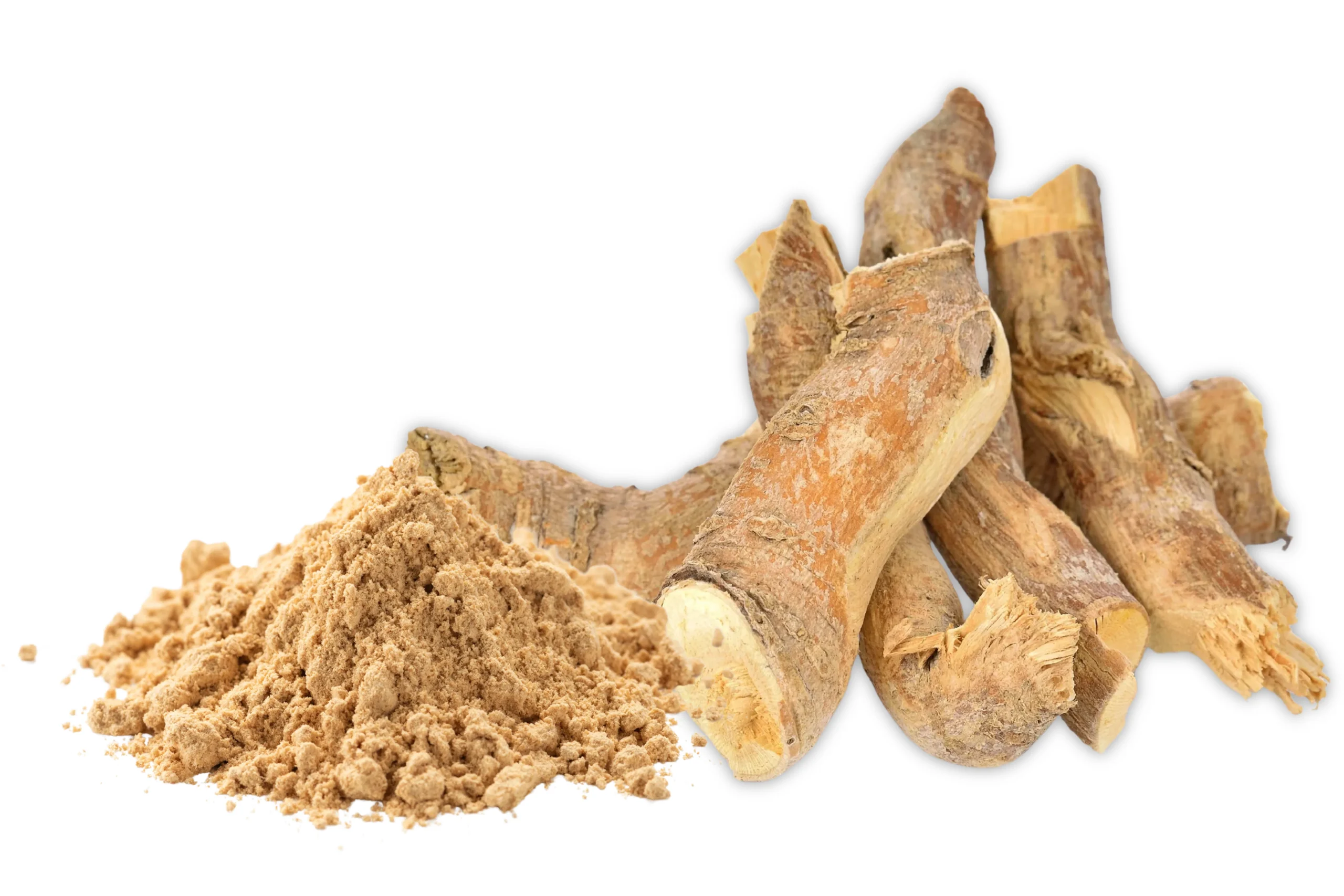
Quick Summary
Tongkat Ali (Eurycoma longifolia) comes with one of the most intense flavor profiles in the supplement world: a deep, lingering bitterness from quassinoids like eurycomanone, layered with a puckering astringency from glycosaponins and tannins. The full list of complaints is right below. Because eurycomanone is also the compound most responsible for Tongkat Ali’s benefits, and because it’s notoriously poorly absorbed when taken orally, researchers have spent years testing lipid- and phospholipid-based delivery systems — including liposomal approaches — to try to improve its bioavailability, a topic covered in its own chapter further down.
TECHNO-MIXERS was built to handle bitterness at this level: liposomal entrapment binds quassinoids and glycosaponins before they reach your taste buds, receptor-blocking phospholipids blunt what gets through, and a layered sweetener system handles what’s left. Lemon Curd, Orange Cream, and Cherry are the flavors that performed best against Tongkat Ali specifically, especially with added tartness. More on the technique — and the extra steps this particular botanical needs — further down.
If you already know which mixer you need for your Tongkat Ali, here are quick links to these flavors in pump bottles. If you want the full picture — including how to take Tongkat Ali powder or extract, and what the liposomal bioavailability research actually shows — keep reading.
Tongkat Ali (Eurycoma longifolia), also known as Longjack or “Malaysian ginseng,” has centuries of traditional use as a Southeast Asian tonic and a growing modern research base behind it, particularly for testosterone support, libido, stress resilience, and athletic performance. That research pedigree has made it one of the most popular male-health botanicals on the market — and also one people are least prepared for on first taste.
Tongkat Ali is also gaining popularity as a trendy add-in. “Tongkat Ali Coffee” — coffee blended with Eurycoma longifolia extract — has been common on Southeast Asian shelves for years and is now attracting interest far beyond the region. Still, coffee does little to mask the underlying bitterness, and the low eurycomanone dose raises questions about whether it provides meaningful benefits.
Typical User Complaints
- An intense, lingering bitterness that many describe as among the worst of any botanical they’ve tried
- A puckering, throat-catching astringency from the saponin content that outlasts the bitterness itself
- Root powder or extract that doesn’t fully dissolve, leaving sediment behind
- Sweeteners alone barely making a dent in the bitterness
- Uncertainty over whether a milder-tasting product is actually weaker or fake
How TECHNO-MIXERS Can Help
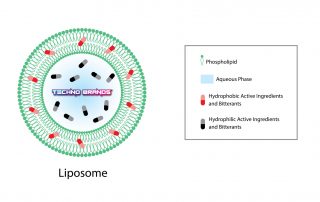
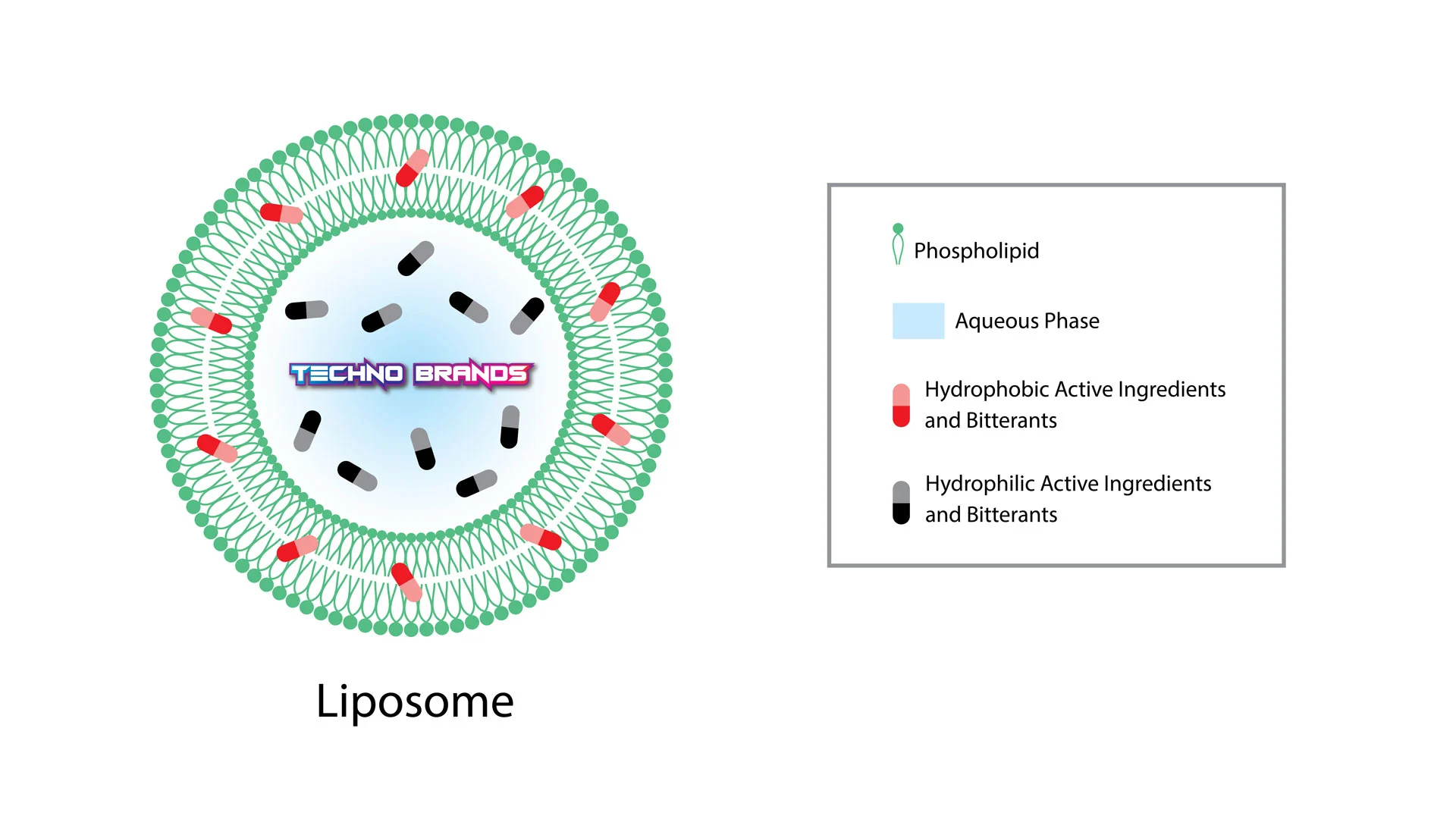
TECHNO-MIXERS’ core mechanism is physical entrapment: the oil and phospholipids in sunflower lecithin self-assemble into tiny liposomes suspended in water, and when they contact Tongkat Ali extract, quassinoids and other bitter molecules bind to those liposomes — minimizing their contact with your taste buds. It’s worth being clear about what this does and doesn’t do: binding a bitter compound to a liposome to reduce its contact with your tongue doesn’t remove it or dilute your dose, and this same binding has been shown to improve bioavailability of poorly water-soluble actives elsewhere in the TECHNO-MIXERS line — so a well-masked Tongkat Ali mix isn’t a weaker one, it’s the same potent extract with the bitterness intercepted before it hits your taste buds.
That distinction matters more for Tongkat Ali than for most botanicals, given how strongly the industry treats bitterness as proof of potency — but the entrapment mechanism works upstream of taste perception, not by touching the actual quassinoid content of your extract.
Beyond physical entrapment, TECHNO-MIXERS offers several other layers of protection, including receptor blocking, layered sweetness, and improved mouthfeel. These have been described in other blog articles, e.g., here.
How to Take Tongkat Ali
Liquid extracts compress Tongkat Ali’s intensity into one small mouthful, which can be the harshest way to encounter its flavor for the first time. Capsules with standardized extract avoid the bitterness but reduce dosing flexibility, and for anyone dealing with pill fatigue, combining supplements in a single drink can be more appealing. The challenge is this botanical is extremely bitter, so anyone wondering how to take Tongkat Ali powder or a standardized Eurycoma longifolia extract without gagging may find that Tongkat Ali mixer capable of masking the bitterness earns its place.
TECHNO-MIXERS functions as that mixer: a small amount added to water, juice, or a shake alongside your Tongkat Ali powder or extract turns a dose most people can barely choke down into something you can actually drink at full potency, whether you’re using a standardized extract like LJ100®, a generic hot-water extract, or plain ground root.
Flavors and Extra Tricks for Tongkat Ali Extract
Tongkat Ali is unusually bitter — thankfully, there aren’t many supplements this challenging, but for the ones that are, you may need to follow additional tricks to suppress the bitterness completely. And we mean completely: just follow the steps below.
- Use more TECHNO-MIXERS per serving than you would for a milder supplement. One serving (1 oz of the diluted/hydrated mix) should be enough for 100 mg dose of LJ100®, the most bitter and most potent extract we found out there. If you use other standardized extracts or root powder, you might get away with less.
- Extra sweetness helps significantly. The Assorted Flavors Pack comes with packets of Equal. Half a packet should be enough. If adding it to your Tongkat Ali helps, then you know it is a matter of sweetness, and you can keep using it or replace it with other sweeteners that better match your taste and lifestyle.
- Tartness helps suppress residual bitterness of Tongkat Ali in a dramatic way. Add citric acid, lemon or lime juice, add more if you still taste the bitterness. If you take other sour supplements, like citrulline malate or NAC (N-acetyl-cysteine), mix them together.
- We found that Lemon Curd, Orange Cream, and Cherry were the best matching flavors. These flavors also work great with extra tartness. Strawberry & Cream and Café Mocha were also good but not everyone may enjoy them when they are tart.
- Let your mix sit for some time before you drink it. Usually an hour to overnight ensures better interaction between phospholipids in TECHNO-MIXERS and the bitterants.
- Apply coat-and-chase method. Take a little sip of TECHNO-MIXERS (without the supplement in it) before and after you take your Tongkat Ali. Don’t rinse your mouth with water or other chasers; let TECHNO-MIXERS do their job.
Everyone’s tolerance for bitterness is different, every extract is different, you may not need to apply all the steps above.
Liposomal Eurycomanone: Can Phospholipids Improve Tongkat Ali Bioavailability?
Eurycomanone’s taste problem sits on top of a separate, more consequential problem: absorption. Pharmacokinetic studies in rats put its absolute oral bioavailability at roughly 10–12%, and the bottleneck isn’t solubility — eurycomanone is actually quite water-soluble — it’s that the molecule struggles to cross the intestinal membrane itself. High solubility paired with low permeability is exactly the profile that has pushed researchers toward lipid-based delivery systems rather than simple solubility fixes.
That research is real and growing. Published work on Eurycoma longifolia extract has used lipid-based solid dispersions — built from surfactant-lipid blends rather than a simple liposome — to carry the quassinoid fraction, and reported measurably better intestinal absorption and higher sperm counts in treated rats compared with the same extract given unmodified. Phospholipid-complex and phytosome techniques, where a plant active is bound to phosphatidylcholine to help it cross lipid membranes, have shown similar bioavailability gains for other poorly absorbed botanicals — part of why liposomal Tongkat Ali products marketed as a “tongkat ali booster” have started showing up on the market.
A search of the literature turns up at least four dedicated delivery-system studies for Eurycoma longifolia or eurycomanone specifically — two lipid-based solid dispersion pharmacokinetic studies in rats (2015, 2017), a niosome-encapsulated extract study, and, most directly relevant, a 2025 phosphatidylcholine-based nano-liposome formulation built around eurycomanone. On the commercial side, a search turns up at least three branded liposomal Tongkat Ali products, including one built explicitly on phosphatidylcholine/sunflower-lecithin liposomes. That’s a small evidence base by pharmaceutical standards, and the only pharmacokinetic data behind any of it is animal data — there is no human bioavailability study on eurycomanone in any delivery form, liposomal or otherwise. That includes the commercial liposomal Tongkat Ali products themselves: none of them publish PK data on their own formulation either, so the “liposomal” claim across that category is, right now, the same mechanism argument for everyone — phospholipid entrapment of a high-solubility, low-permeability active is a well-established way to improve absorption in general, applied here without a product-specific trial yet to confirm it. TECHNO-MIXERS is built on that same principle of phospholipid binding that may improve absorption: TECHNO-MIXERS added to your Tongkat Ali drink isn’t just a Tongkat Ali masker, it’s a plausible Tongkat Ali booster too.
Why Does Tongkat Ali Taste So Bitter?
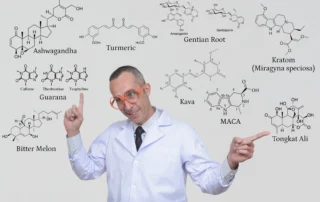
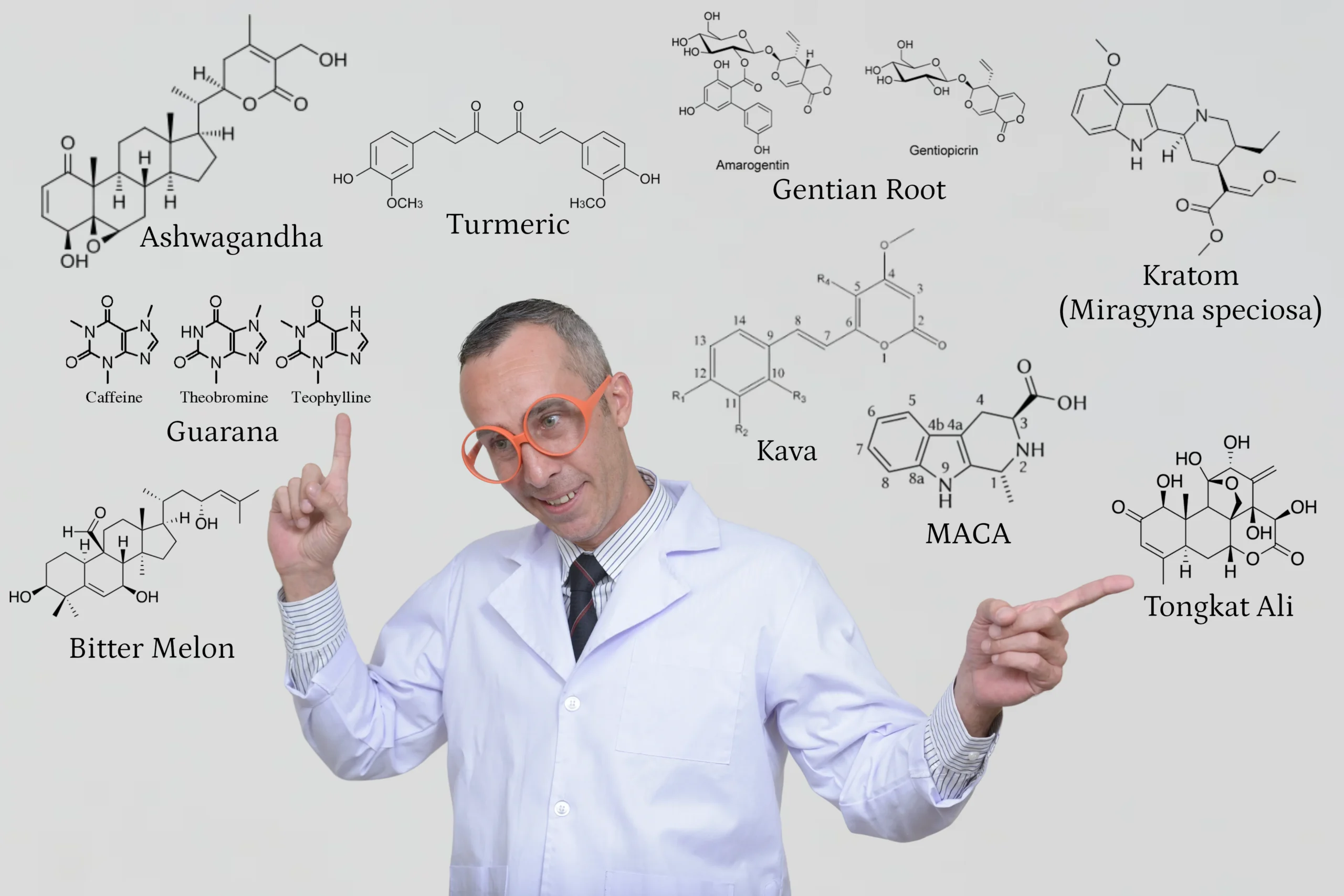
Tongkat Ali’s defining compounds are quassinoids — a family of nortriterpenoids led by eurycomanone, the primary marker compound used to standardize commercial extracts. Quassinoids are also responsible for much of the root’s biological activity, including the aromatase inhibition tied to its testosterone-related effects. Once again, the same molecules driving the benefit are the ones driving the bad taste: published research on standardized Tongkat Ali extract describes quassinoids as being among the most bitter compounds known in nature.
That bitterness has become a de facto quality marker in the industry. Properly standardized, genuine Eurycoma longifolia hot-water extract is bitter; researchers studying it note that Tongkat Ali extracts that don’t taste bitter are either not authentic root extract or are under-potent in the bioactive compounds that make the supplement work in the first place. In other words, for Tongkat Ali specifically, mild taste isn’t a sign of a gentler product — it’s usually a red flag.
Quassinoids aren’t the only contributor. Standardized water-soluble extracts are made up largely of glycosaponins — by some estimates 40 to 65% of the material — the same soap-like glycoside class responsible for the throat-catching astringency in other bitter roots. Root extracts also contain canthin-6-one and beta-carboline alkaloids, which bring their own bitterness on top of the quassinoids, along with tannins, which contribute a separate, drying astringency through the same protein-binding mechanism found in strongly steeped black tea.
Extraction method matters here more than with most botanicals. The clinically studied, patented form of Tongkat Ali is a standardized hot-water extract — and hot water is specifically what concentrates the water-soluble quassinoids and glycosaponins responsible for both the effect and the bitterness. Alcohol-based extracts pull a different chemical profile with less research behind it. That means the most evidence-backed version of this supplement is, by the nature of how it’s made, also reliably the most bitter one.