KRATOM LEAF TASTE EXPLAINED: WHY IT’S BITTER, PUNGENT, AND ASTRINGENT
DISCLAIMER: WE DO NOT ENDORSE THE USE OF KRATOM PRODUCTS (MITRAGYNA SPECIOSA). THE LEGAL STATUS OF KRATOM VARIES BY STATE AND JURISDICTION, AND USERS ARE SOLELY RESPONSIBLE FOR REVIEWING AND COMPLYING WITH ALL APPLICABLE LOCAL, STATE, AND FEDERAL LAWS BEFORE USE. USERS SHOULD CONSULT A LICENSED PHYSICIAN BEFORE USING KRATOM OR ANY OTHER BOTANICALS OR SUPPLEMENTS, PARTICULARLY IF PREGNANT, NURSING, TAKING MEDICATION, OR MANAGING A MEDICAL CONDITION. NOTHING IN THIS ARTICLE OR ON THIS WEBSITE SHOULD BE CONSTRUED AS MEDICAL ADVICE. THESE STATEMENTS HAVE NOT BEEN EVALUATED BY THE FOOD AND DRUG ADMINISTRATION. THIS PRODUCT IS NOT INTENDED TO DIAGNOSE, TREAT, CURE, OR PREVENT ANY DISEASE.
Quick Summary
Kratom leaf has a well-earned reputation as one of the hardest botanical flavors to mask: an intense, lingering bitterness, a dry, puckering astringency from tannins, and a strong grassy, herbaceous edge that shows up whether you toss and wash it, brew it as kratom tea, or stir it into a cold kratom infusion. The full list of complaints is right below. The usual explanation blames a single alkaloid, mitragynine, but tannins, dozens of minor alkaloids, and flavonoids are all plausible contributors too — covered in full detail toward the bottom of this article for anyone who wants the science.
TECHNO-MIXERS was designed to address all of it at once — physically binding bitter and astringent compounds while a layered sweetener system smooths out what’s left, working as a dedicated kratom mixer whether you’re making a kratom drink from raw powder, a hot infusion, or a cold-water dispersion — because the real question isn’t which method you use, it’s how to make kratom taste better once you’ve picked one. Bubble Gum, Peach Mango, Café Mocha, Passion Fruit, and Raspberry are the top flavor picks for kratom leaf specifically, with Caramel and Strawberries & Cream close behind. Whatever your prep method, mixing in TECHNO-MIXERS is the most reliable answer to how to make kratom taste good — the exact question that comes up in nearly every Reddit thread and kratom forum on the subject. More on flavor pairing further down.
If you already know which kratom mixer flavor you need for your Kratom leaf drink, use quick links to our best selling flavors above. If you want the full picture — including the chemistry behind the bad taste and how to make kratom drinks that don’t taste like kratom — keep reading.
Kratom (Mitragyna speciosa) is a tropical tree in the coffee family (Rubiaceae), native to Southeast Asia, where its leaves have a long history of traditional use. Interest in kratom leaf and kratom-derived extracts has grown quickly in the botanical supplement space, driven largely by the alkaloid profile of the leaf. Unfortunately, that same leaf has also earned a reputation as one of the most difficult-to-mask flavors in the botanical category — intensely bitter, astringent, and grassy, often described as harder to get down than even the most bitter root powders.
Typical User Complaints
- An intense, lingering bitterness that coats the mouth and throat
- A dry, puckering, astringent mouthfeel from tannins, distinct from bitterness itself
- A strong grassy, herbaceous, leafy or “green” vegetal taste, especially in raw leaf powder
- A gritty, fibrous texture when stirred into water
- A musty, earthy smell before the first taste even registers
- A “sour kratom taste and smell” that doesn’t seem to be described by any of the epithets above
- Sweeteners alone “breaking down” partway through the dose, letting bitterness resurface
How Is Kratom Leaf Typically Consumed — And How Does That Affect Taste?
Kratom leaf reaches the palate very differently depending on how it’s taken, and the method matters almost as much as the compound profile itself.
Toss and Wash. Dry powder is placed in the mouth and washed down with a liquid chaser. Because the powder sits directly on the tongue at full, undiluted concentration for several seconds before any liquid arrives, this is consistently reported as the harshest method — every bitter, astringent, and grassy compound in the leaf gets uninterrupted contact with the taste buds before anything can dilute or mask it.
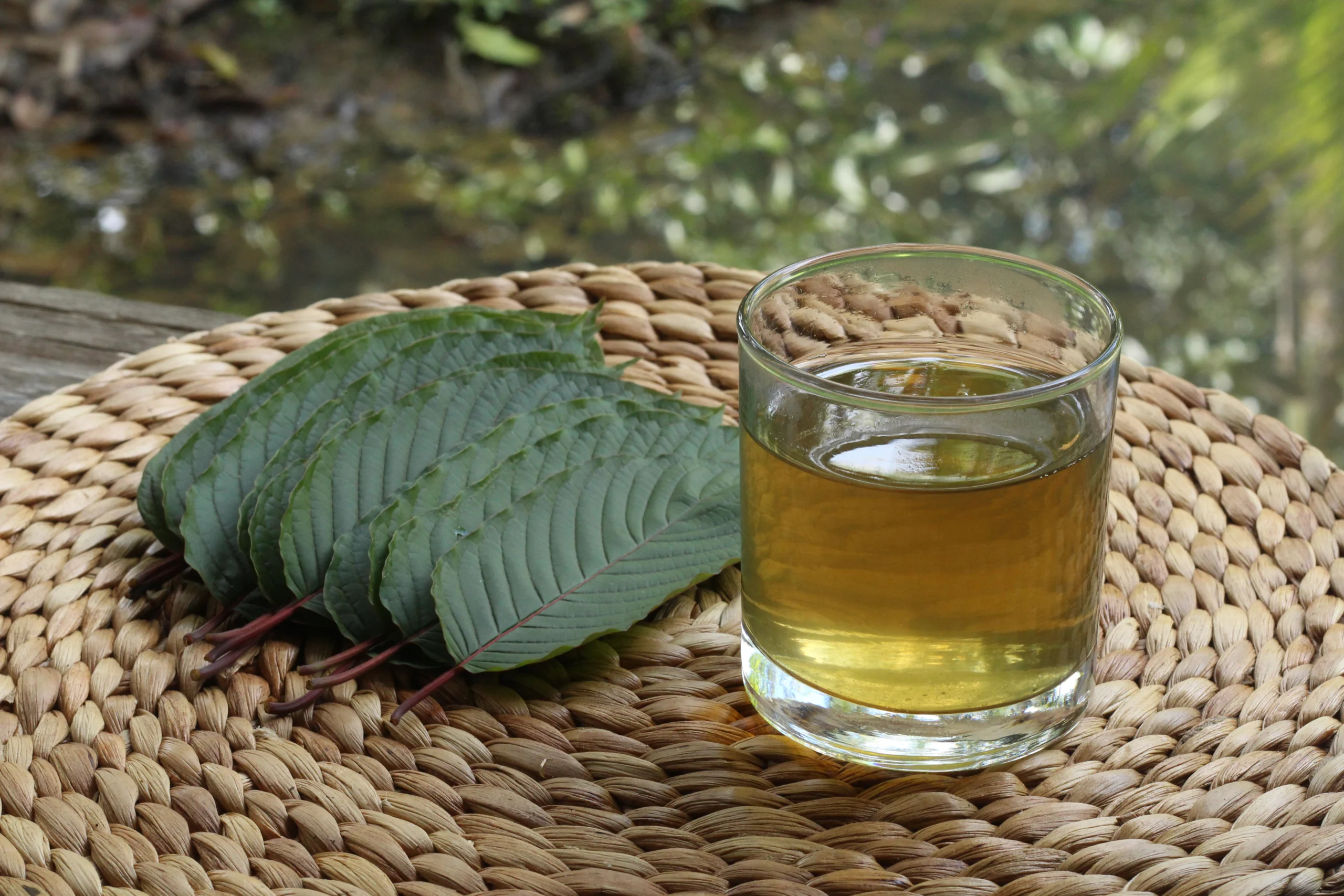
Kratom Tea. The basic method for how to make kratom tea is simple: powder or crushed leaf is steeped in hot water, often for 15–20 minutes. Heat and steep time extract more of the desired alkaloids, but they also extract more tannins — the same principle that makes over-steeped black tea taste harsher than a quick steep. That creates a direct tension between potency and palatability: a stronger, longer steep is also a more bitter and astringent one.
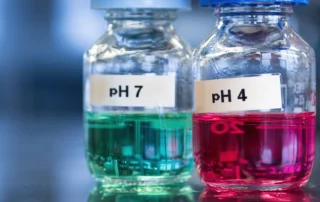
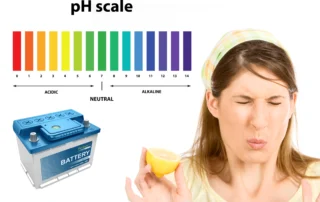
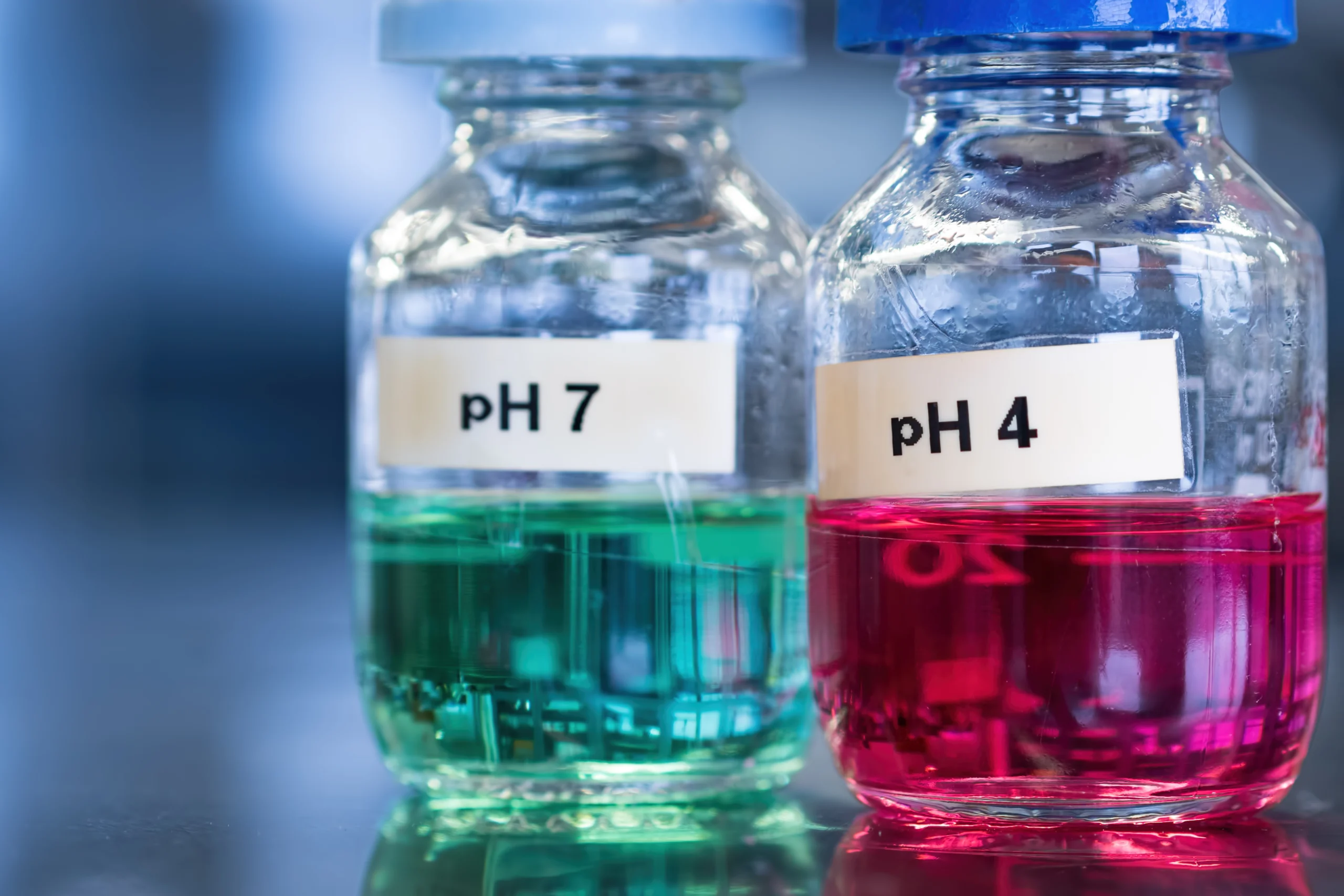
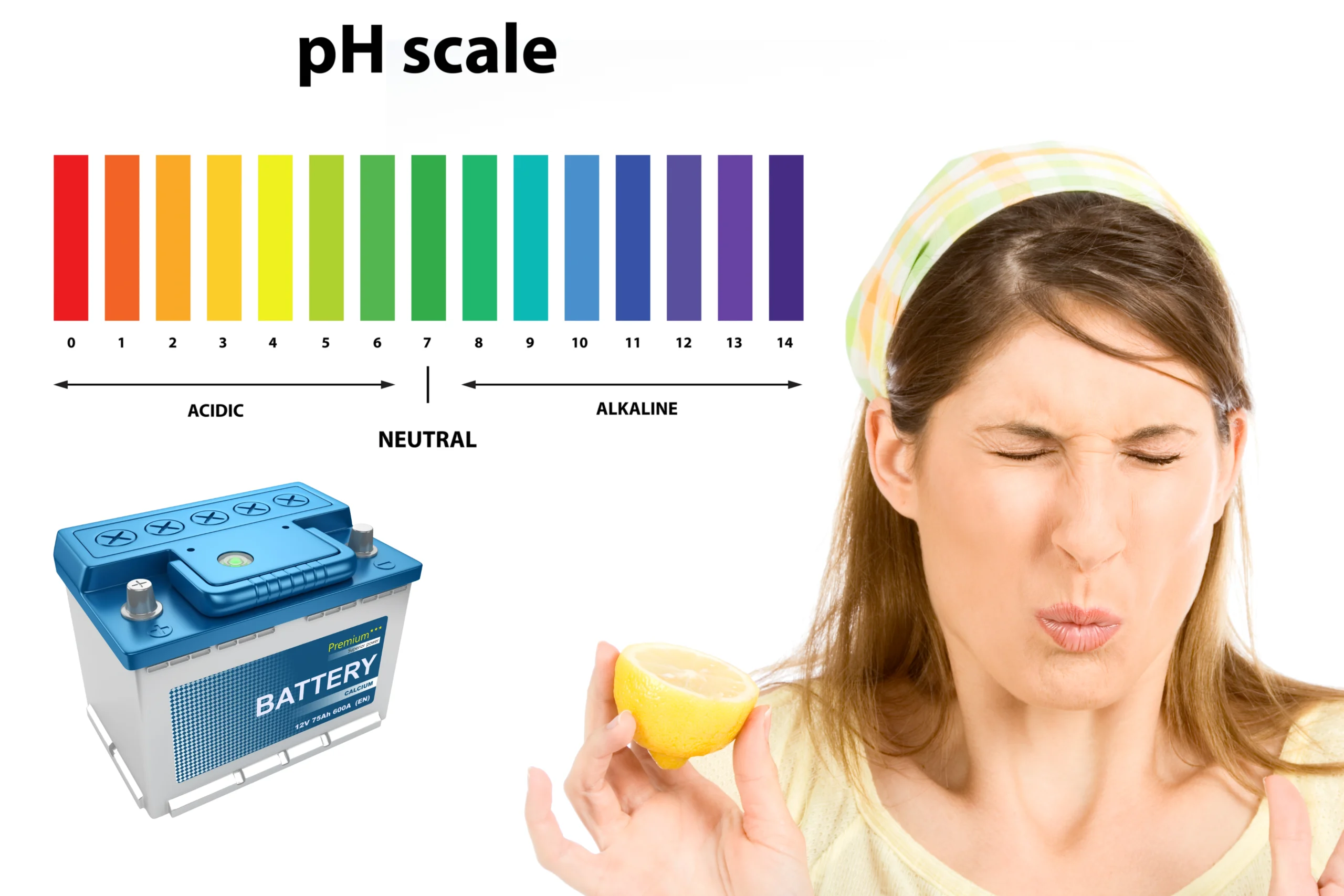
Water or Juice Dispersion. Powder is stirred directly into a cold beverage. This is where the popular “lemon tek” recommendation comes in — adding lemon or lime juice to acidify the mixture, based on the idea that mitragynine’s freebase form is poorly water-soluble and that acidifying it converts more of it to a more soluble salt form, which is the same solubility chemistry that governs commercial kratom shots. That part of the reasoning is chemically sound. What it doesn’t do is improve the taste. If anything, it makes it worse: adding an acid stacks a sour, tart note on top of kratom’s existing bitterness and “kratom taste”. Better solubilization and better taste are two separate goals here, and lemon juice only helps with the first one.
Capsules. Powder is enclosed in a shell and swallowed whole, so it never touches the tongue. This sidesteps nearly all of the taste problems described above, at the cost of a slower onset and needing to swallow a larger number of capsules for a typical serving. Some users still report a bitter “repeat” or aftertaste as capsules break down in the stomach. For those who already take many pills, this only adds to pill fatigue.
Toss and wash, tea, or water dispersion all put kratom leaf in direct, extended contact with the palate — which is exactly where a taste-masking approach like TECHNO-MIXERS makes the biggest difference.
How TECHNO-MIXERS Can Help
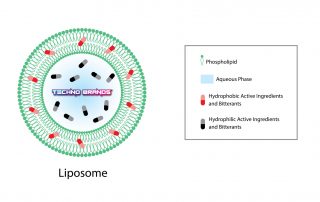
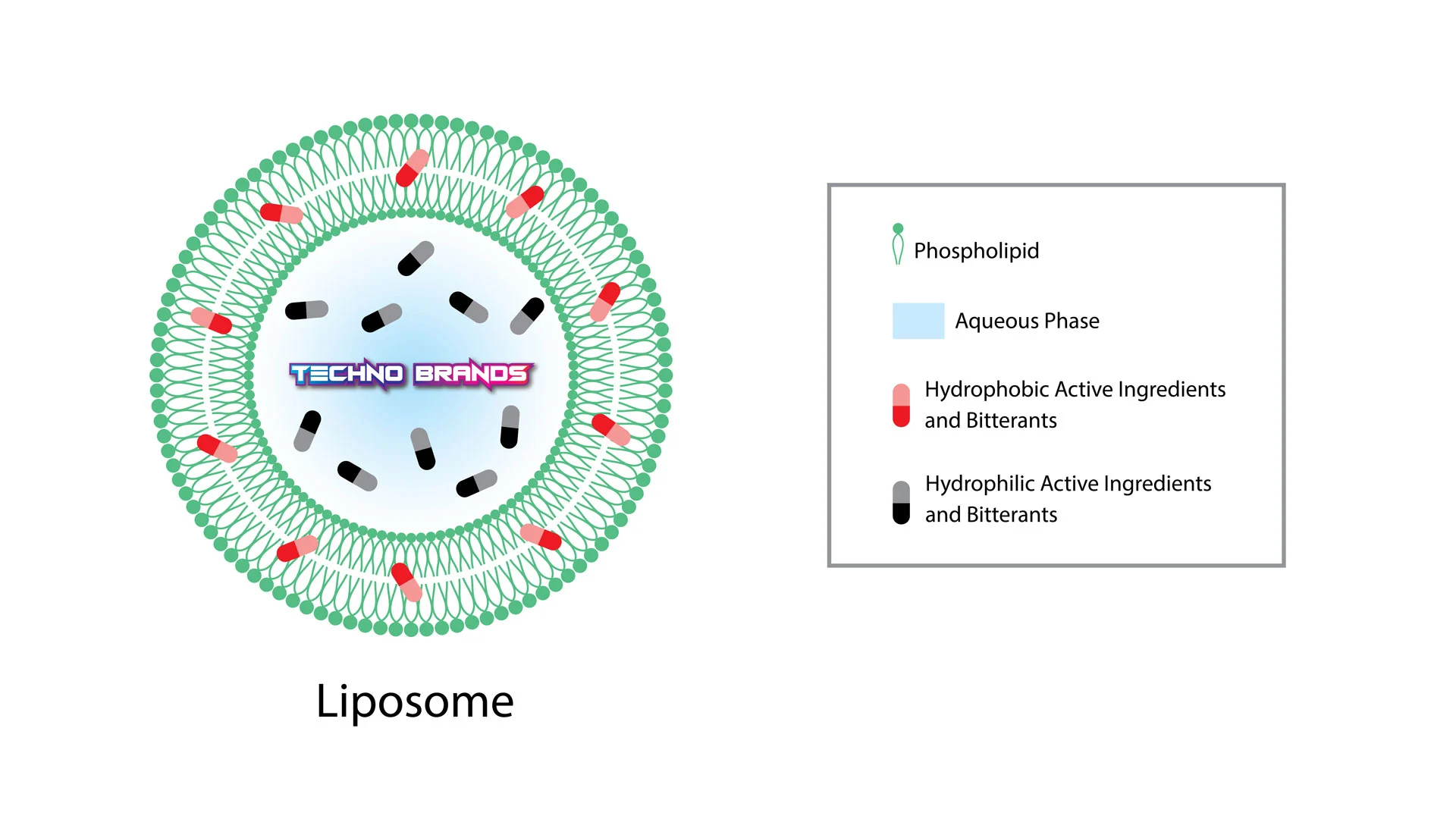
TECHNO-MIXERS’ core mechanism is physical entrapment: the oil and phospholipids in sunflower lecithin self-assemble into tiny liposomes suspended in water, and when they contact your kratom leaf powder or extract, bitterants and other bad-tasting molecules bind to those liposomes, minimizing their contact with your taste buds — which is exactly what makes it an effective kratom mixer for leaf powder or extract alike.
Beyond physical entrapment, TECHNO-MIXERS offers several other layers of protection, including receptor blocking, layered sweetness, and improved mouthfeel. These have been described in other blog articles, e.g., here.
The result is a smoother, more enjoyable kratom drink that no longer leaves the mouth bitter and dry. Kratom’s main alkaloid, mitragynine, has limited water solubility and reported bioavailability somewhere between 3% and 21%, depending on the formulation and study conditions. Forming complexes between poorly soluble molecules and liposomes or phospholipids, such as those in sunflower lecithin, is a common strategy for improving bioavailability. Similar liposomal products, including curcumin and berberine, are already gaining popularity. By mixing your kratom tea or kratom infusion with TECHNO-MIXERS, you are creating a liposomal-style kratom drink using the same sunflower lecithin chemistry—making TECHNO-MIXERS not only a kratom masker, but also a plausible kratom booster.
Recommended TECHNO-MIXERS Flavors for Kratom Leaf
Every flavor in the TECHNO-MIXERS portfolio pairs well with kratom leaf powder, but the top favorites are Bubble Gum, Peach Mango, Café Mocha, Passion Fruit, Raspberry, Caramel, and Strawberries & Cream. Since tastes vary, start with the Variety Flavors Pack to find the flavors that work best for you. Kratom’s complex botanical profile—and differences between strains or veins—make choosing the right TECHNO-MIXERS flavor part of the fun.
Why Does Kratom Leaf Taste Bad?
Kratom’s reputation for bitterness is almost universally attributed to its most talked-about alkaloid, mitragynine, along with its oxidized relative 7-hydroxymitragynine. That explanation shows up in nearly every article, forum post, and vendor FAQ on the subject. It’s worth being precise about what’s actually been demonstrated here versus what’s simply been assumed: to date, there is no published sensory study that directly measures bitterness of purified mitragynine the way food scientists do (dose-over-threshold testing, trained taste panels, and the like). The claim that “mitragynine is bitter” traces back to people tasting whole leaf, whole powder, or various extracts — all of which contain dozens of other compounds — and attributing the bitterness to the most-discussed alkaloid by association, not by isolate testing. Yes, many alkaloids, including indole ring-containing alkaloids, do taste bitter, but that does not mean all of them should. Let us repeat: there is zero evidence that mitragynine is bitter and plenty of possibilities that other compounds in the leaf and extracts cause the bitterness.
Contrary to this extremely pervasive belief, indirect and unpublished accounts point the other way. Formulators and extraction chemists who have worked with kratom extract of various purity (45 to 90% mitragynine) have found that the higher the purity, the less bitterness and fewer other off-tastes the extract carries. None of this is peer-reviewed, and we’re not aware of any published data confirming it either, but it lines up with a pattern seen elsewhere in phytochemistry: the compound getting the credit (or blame) for a plant’s taste is often not the compound actually driving it.
Tannins. Kratom leaves contain substantial levels of condensed tannins, the same broad class of polyphenols responsible for the astringency of tea, red wine, and unripe fruit. Tannins bind salivary proteins and create the dry, puckering, throat-catching sensation that kratom users consistently describe — a mouthfeel that is chemically distinct from bitterness even though the two are often lumped together in casual description. Tannin concentration tends to rise with leaf maturity, which is part of why more mature leaf material is generally described as harsher than younger leaf.
The other alkaloids. Mitragynine is only the most-discussed member of a much larger alkaloid family — kratom leaf contains dozens of related indole and oxindole alkaloids. Structurally, these compounds belong to the same broad indole alkaloid class as other well-documented bitter plant compounds like yohimbine and reserpine. As with mitragynine itself, we’re not aware of published isolate-level taste testing on most of these minor alkaloids individually — but given the structural similarity to known bitter compounds, and the fact that they’re present in the leaf at meaningful concentrations alongside mitragynine, they’re at least as plausible a source of kratom’s bitterness as the marker alkaloid that usually gets the credit.
Flavonoids and chlorophyll. Kratom leaf also contains flavonoid compounds that contribute their own bitterness and astringency, layering on top of the tannin and alkaloid contributions. E.g., quercetin is found in kratom extracts in good amounts and is known to be very bitter. Separately, raw ground leaf powder carries a heavy load of chlorophyll and a plethora of other compounds. This is the source of the strong “green,” grassy, herbaceous, dry leaf, hay-like, vegetal character that users report, distinct from the bitterness.
Put together, this is a case where the popular explanation (“it’s the mitragynine”) is likely wrong, but the practical problem is the same regardless of which molecule is actually responsible: whole leaf, leaf powder, or extract carry tannins, multiple bitter alkaloids, flavonoids, and potentially many other things we don’t know yet. That’s exactly the kind of taste-masking challenge where targeting the mechanism of bitterness — rather than guessing at a single culprit molecule — matters most.
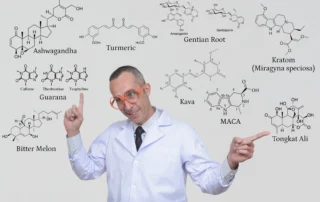
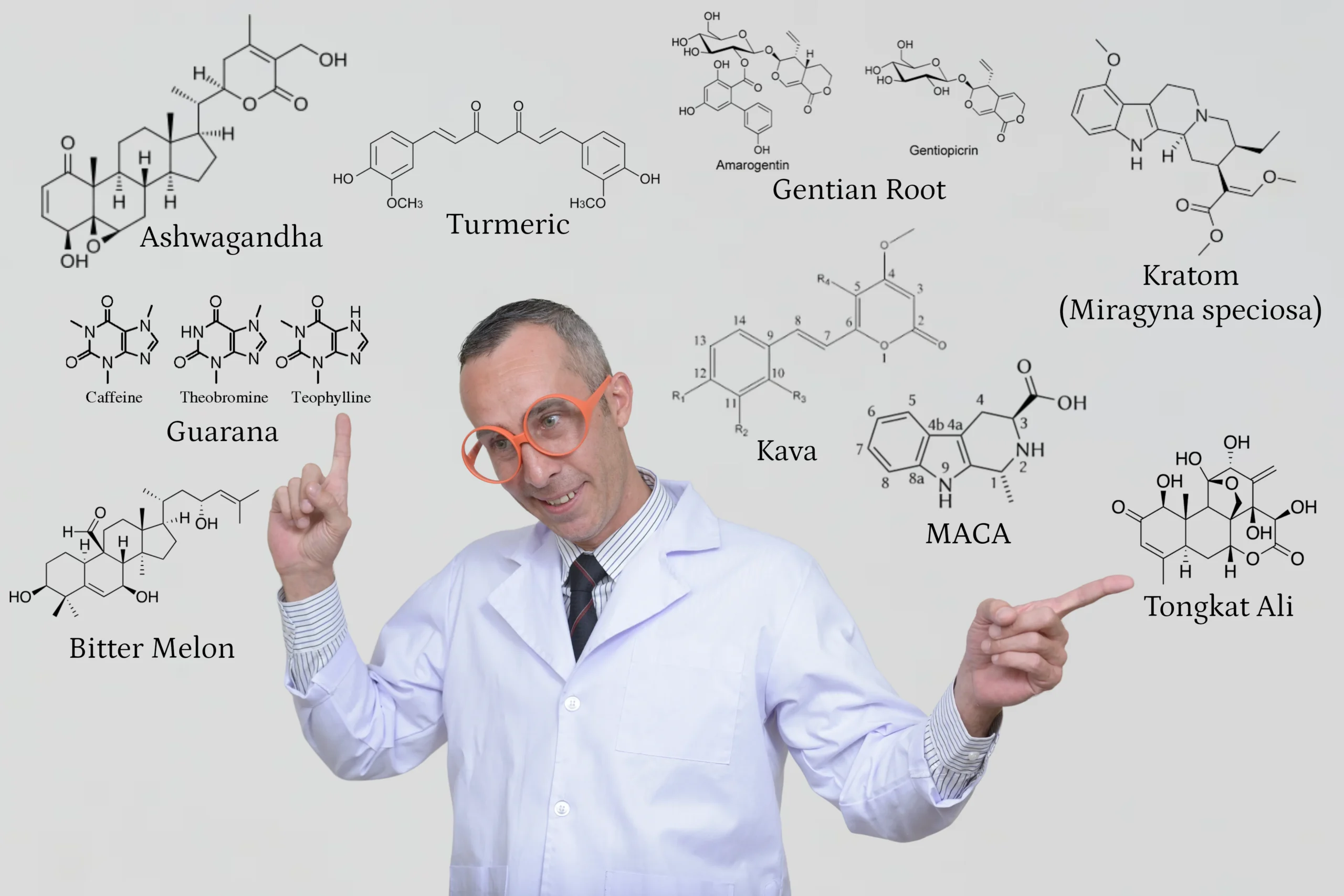
This is what makes TECHNO-MIXERS unique: rather than addressing one gustaphore (a single specific molecular shape that binds to a taste receptor to trigger the sensation of taste), it targets multiple, mostly unknown gustaphores. A food scientist who needs to mask the bitterness of one molecule, e.g., caffeine, is clearing a much easier hurdle than a colleague working on, say, kratom or ashwagandha. This is a topic of a separate blog article coming soon.