TASTE VS MOUTHFEEL: WHAT’S THE DIFFERENCE AND WHY IT MATTERS FOR SUPPLEMENTS

If you’ve ever gagged on a kratom tincture or grimaced through an ashwagandha shot, you know the experience goes beyond taste. There’s something else going on — a texture, a burn, a dryness that lingers. That’s mouthfeel. And it’s just as responsible for making supplements miserable as the bitter taste itself.
Most conversations about supplement palatability focus on taste alone. That’s only half the picture. Understanding how taste and mouthfeel interact — and why both need to be addressed simultaneously — is the key to understanding why some solutions actually work and others don’t. It’s also the foundation for how TECHNO-MIXERS were designed.
What Is Taste?
Taste refers to what your tongue detects when you eat or drink — a fast, instinctive filter that flags food as safe, nourishing, or dangerous before you swallow. There are five recognized primary tastes:
- Sweet: Broadly pleasurable and one of the primary tools in taste masking. Sweetness evolved to identify calorie sources, which is why the brain responds to it with immediate positive reinforcement — making it useful for pushing bitterness and sourness into the background. It has limits, though: push it too high and you’ve traded one unpleasant drink for another.
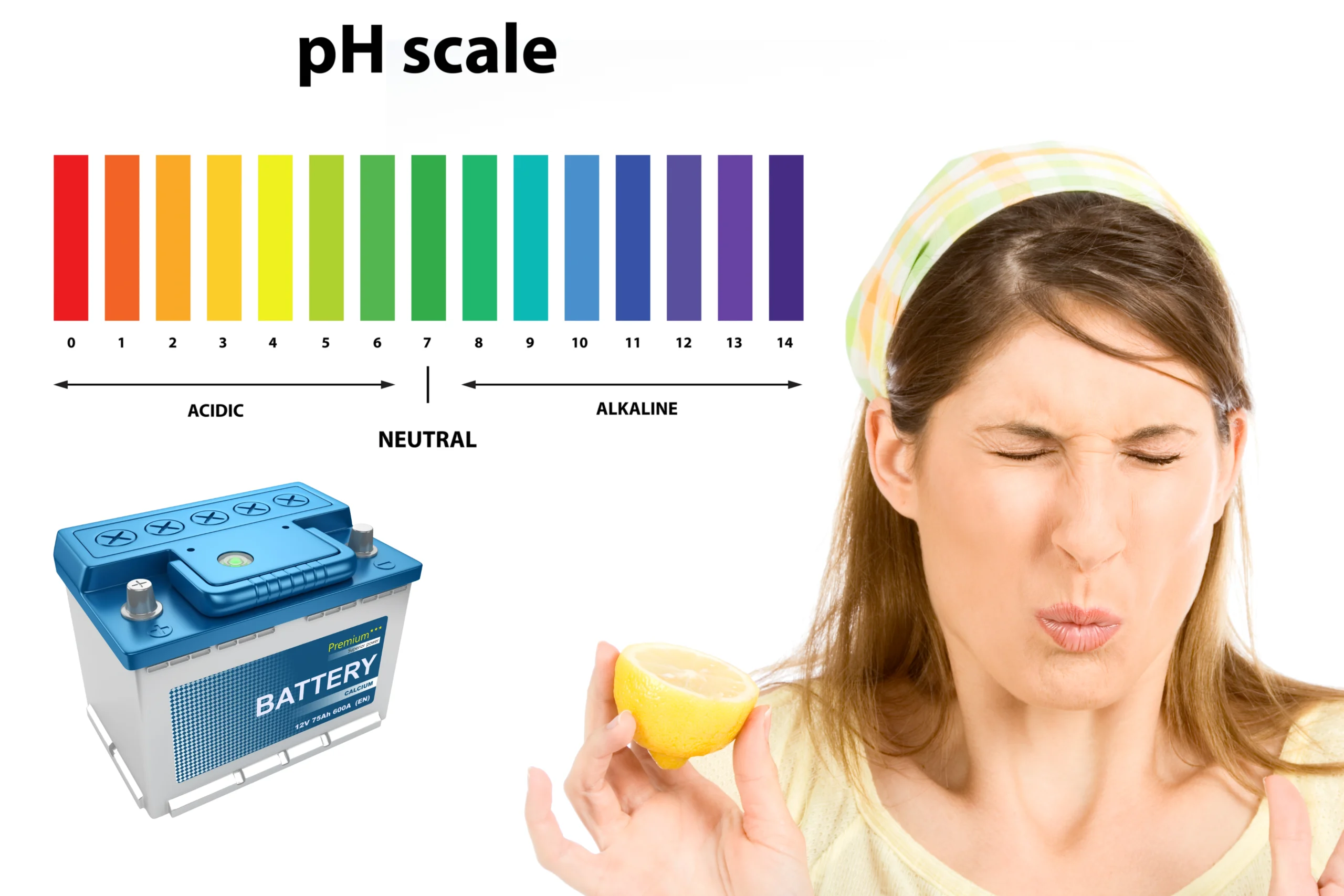
- Sour: Found in acidic foods like lemon and vinegar. Moderate sourness can be refreshing and is often used to balance sweetness. Excess acidity, however, is a real problem in liquid supplements that use citric or malic acid as co-solvents or preservatives — it creates a sharp, burning quality that compounds any other irritation in the product.
- Salty: In the right dose it rounds out a formula; excess saltiness from certain amino acids and minerals is a common off-note.
- Bitter: The single biggest challenge in botanical supplements. Bitterness evolved as a warning for toxins, which is why the brain treats strong bitter signals as something close to a threat.
- Umami: Certain amino acids, mushrooms, fermented and hydrolyzed extracts bring umami-adjacent notes that can be surprisingly difficult to work around.
Science is still debating whether metallic, kokumi, ammonium chloride, and fat (oleogustus) qualify as distinct primary tastes. What’s clear is that supplements can trigger all of them. One more critical distinction: taste is not the same as flavor. Taste is detected by receptors on the tongue — five or six discrete signals. Flavor involves aroma compounds perceived through the nose; humans can recognize an estimated ten thousand to one trillion distinct flavors. Fixing the taste doesn’t fix the flavor, and vice versa.
What Is Mouthfeel?
Mouthfeel is the physical sensation of food or drink in your mouth — how it feels from the moment it touches your lips to the moment you swallow. It’s sensed through a completely different system than taste: mechanoreceptors (pressure and texture), thermoreceptors (temperature), and nociceptors (pain, irritation, chemical sensations), all traveling via the trigeminal nerve rather than the gustatory nerves. That’s why a drink can taste fine and still feel awful.
Common mouthfeel characteristics in the context of supplements:
- Smooth, silky, creamy: The gold standard for drinkability.
- Thick or viscous: Adds body and slows the transit of liquid, reducing how aggressively compounds hit oral surfaces.
- Thin or watery: The characteristic of many poorly formulated supplements. Harsh compounds hit tissues directly; sweetness floats without structure.
- Gritty or chalky: Undissolved particles sticking to the teeth, cheeks, and tongue. Common with protein powders, botanical extracts, and poorly soluble actives.
- Astringent: A puckering, drying sensation caused by tannins and polyphenols binding to proteins in saliva. Present in a wide range of botanical supplements.
- Burning or irritating: Triggered by alcohol, propylene glycol, certain plant alkaloids, capsaicin, gingerols. Can cause esophageal irritation and heartburn, especially on an empty stomach.
- Waxy or coating: BCAAs are notorious for leaving a film on the tongue and gums that continues releasing off-flavors long after the drink is finished.
- Numbing: Kava kavalactones are the most well-known cause — genuine oral numbing that can be disconcerting even when the taste is otherwise controlled.
Taste and mouthfeel are closely linked in experience but fundamentally different in mechanism. Taste uses gustatory receptors and produces categorical signals — sweet, bitter, salty. Mouthfeel uses mechanoreceptors, thermoreceptors, and nociceptors and produces physical descriptions — gritty, burning, dry, smooth. Both systems operate simultaneously, and both determine whether a product is drinkable. A supplement that tastes fine but feels burning, gritty, or astringent will still be unpleasant to take. A supplement with smooth, satisfying mouthfeel but an aggressively bitter taste will still make people wince. Addressing one without the other is why so many attempted solutions only partially work.
Why Mouthfeel Is Especially Challenging in Supplements
In a standard beverage — a juice, a soda, a flavored water — mouthfeel is relatively easy to manage. The base liquid is neutral and there’s no pharmaceutical payload working against you. In supplement products, the challenges compound.
Solubility problems. BCAAs, fat-soluble botanicals, and lipophilic extracts don’t dissolve in water. They form clumps, leave particles in suspension, and produce gritty, chalky textures that persist throughout the drink.
Chemical irritation. Ethanol and propylene glycol — are common co-solvents and preservatives in liquid supplements — each produce a burning, acrid sensation separate from and additive to any unpleasant taste. Sometimes they are combined with citric or malic acid which exacerbate the irritation.
Astringency from botanicals. Tannins and polyphenols in plant extracts strip lubrication from oral surfaces, creating a drying, puckering sensation that builds with each sip. Ashwagandha, turmeric, green tea extract, and grape seed extract are common offenders.
Thinness and structural absence. Supplement powders dissolved in water often produce hollow, medicinal liquids. Without viscosity, bitterness and astringency hit oral surfaces directly rather than being buffered by a denser medium.
Persistent residue. Hydrophobic compounds leave a waxy, oily film on the tongue and gums that continues releasing off-flavors well after the drink is finished.
How to Actually Improve Mouthfeel in Supplements
Improving mouthfeel means solving specific physical problems, and the most effective approaches work on several simultaneously.
Increasing viscosity. A thicker liquid buffers oral surfaces from direct contact with irritants, slows the transit of compounds across taste receptors, and physically prevents gritty particles from settling onto the teeth and cheeks. Higher viscosity also means bitter and astringent molecules spend less time in direct contact with receptor-bearing tissues. Common viscosity builders include glycerin and other polyols, soluble fibers like inulin and isomalt, and gums (xanthan, acacia, guar). Each behaves differently at different concentrations and in different matrices, so selection matters.
Creating a protective coating. Certain emulsifiers and lipids can coat oral surfaces and form a physical barrier between tissues and irritants. This is particularly useful against tannins (which cause astringency), alkaloids (which cause bitterness and numbing), alcohol (which causes burning), and capsaicin (which causes heat). The coating effect also helps with waxy residue by providing a more uniform lipid layer that doesn’t concentrate off-flavors on specific areas of the tongue or gums.
Improving emulsification. For ingredients that don’t disperse in water, an emulsifier is essential. Without one, hydrophobic powders float, clump, and stick to oral surfaces. A well-chosen emulsifier creates a stable suspension that drinks smoothly, distributes compounds evenly, and doesn’t leave residue.
Stimulating saliva production. Saliva is the mouth’s natural lubricant and buffer. Astringency, dryness, and certain chemical irritants reduce or override salivary lubrication. Balancing sweetness, tartness, and certain flavor compounds can stimulate salivary flow and partially restore the mouth’s natural protective function throughout the drink.
The most effective mouthfeel improvements involve multiple mechanisms working simultaneously. Viscosity alone helps but doesn’t solve irritation. Coating without viscosity provides some protection but less structural benefit. Getting all of them working together — increased body, surface protection, emulsification, and salivary stimulation — is what produces a meaningful transformation rather than a marginal improvement.
How TECHNO-MIXERS Address Both Taste and Mouthfeel Simultaneously
TECHNO-MIXERS were formulated to work on taste, flavor, and mouthfeel at the same time, using ingredients selected for what they do rather than what they cost. Every component has a specific function; none of it is filler.
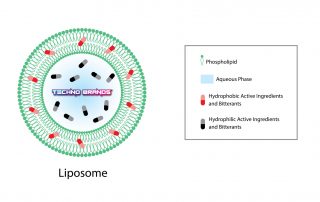
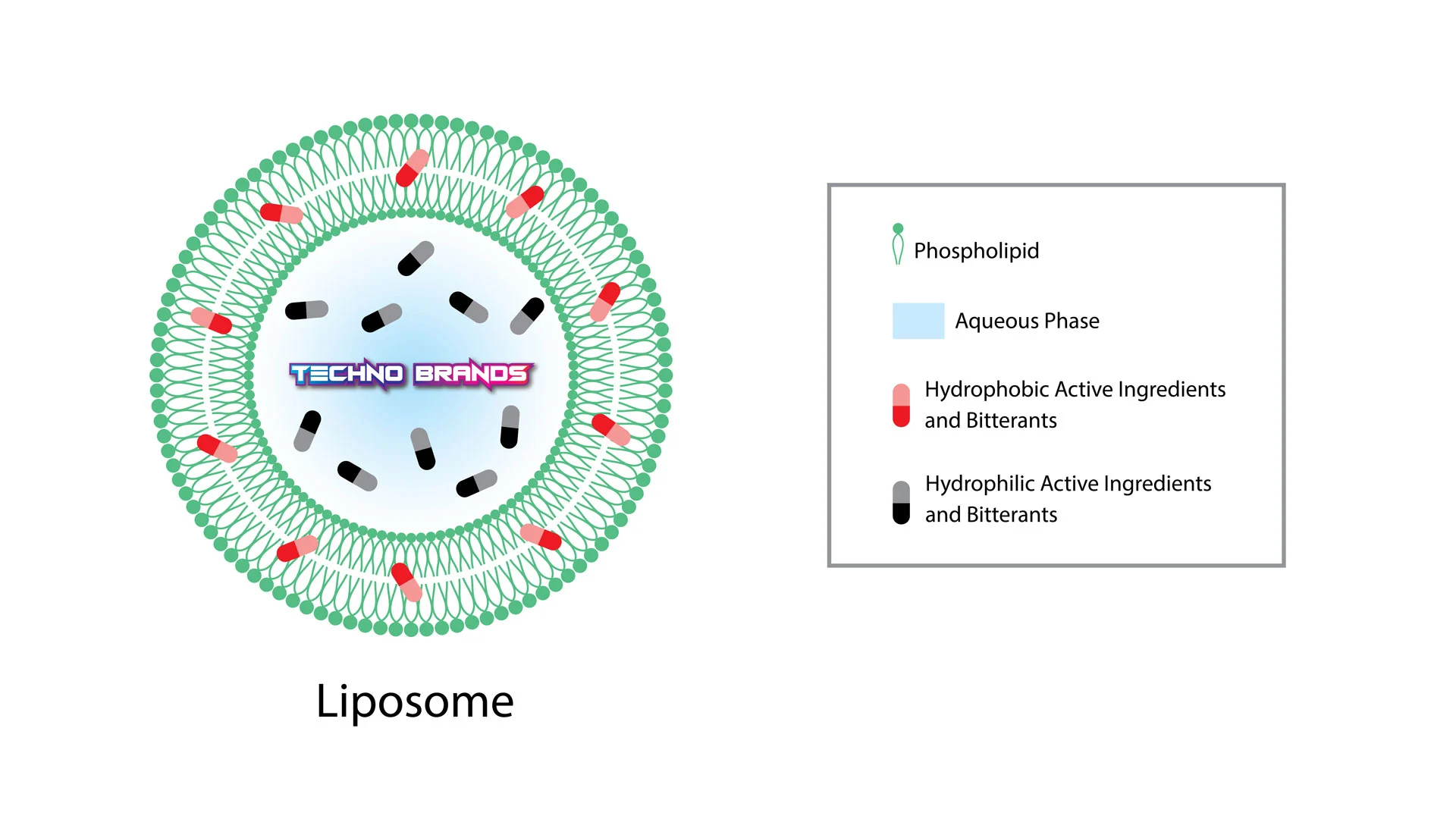
Sunflower lecithin and lipid nanoparticle encapsulation. Lecithin does double duty. First, it physically encapsulates bitter and pungent molecules in the supplement, forming tiny lipid nanoparticles that dramatically reduce how much of that bitter signal reaches your taste receptors — the active ingredients are fully present and effective, just no longer announcing themselves so aggressively. Second, it emulsifies hydrophobic powders like BCAAs that refuse to disperse in water and stick to oral surfaces, releasing off-flavors for hours.
Allulose and glycerin for body, smoothness, and coating. Allulose is a naturally occurring rare sugar with virtually zero calories. Glycerin is a viscous sweet liquid that has become a supplement for athletic performance on its own. Both have zero glycemic impact. Working synergistically with lecithin, they increase viscosity, add body that makes sweetness land properly, and create a physical barrier on oral surfaces that shields against astringents, tannins, alcohol, and other irritants — the structural layer that sweetener-only approaches miss entirely.
A precision sweetening system. TECHNO-MIXERS are made with high-purity Reb M stevia and V50 monk fruit extract (the highest-purity grade commercially available) in a specific ratio developed through extensive formulation work. Stevia delivers the initial sweetness hit; monk fruit fills in the mid-palate and carries the finish. At the right ratio, each suppresses the other’s residual off-notes, producing a sweetness that reads as natural rather than synthetic. Monk fruit’s mogrosides also compete directly with bitter molecules at receptor sites, providing bitterness suppression that is independent of and additive to the encapsulation effect from lecithin.
Taste masking agents and purpose-designed natural flavors. The final layer involves plant-derived taste masking compounds and a library of natural flavors developed specifically for pungent botanical supplements — not off-the-shelf flavors, but the result of years of work with leading flavor producers. Some flavors, like cream or vanilla, can actually improve both taste and mouthfeel perception. Strawberry & Cream, Lemon Curd, Bubble Gum, and Passion Fruit are the ones to try first when mouthfeel is the primary challenge, as they are particularly effective at stimulating saliva production.
Taste, flavor, and mouthfeel are separate systems with separate problems and separate solutions — but they interact, sometimes in surprising ways, and certain ingredients can move all three in the right direction at once. We’ll dig into that in a future article. In the meantime, we hope this gives you a useful framework for working with TECHNO-MIXERS and TECHNO-FIZZ alongside whatever you’re taking.
Explore the full TECHNO-MIXERS range to find the flavor that works best with your supplement stack.