MONK FRUIT EXTRACT: THE SWEETENER THAT ACTUALLY FIGHTS BACK AGAINST BITTER
If you’ve ever choked down a kava shot, grimaced through a kratom tincture, or held your breath while swallowing a mouthful of ashwagandha, you already know the problem. The supplement works. The taste is genuinely awful. And no amount of mental preparation makes it easier the second time.
The usual advice — mix it with juice, chase it with something, just get it down fast — treats the problem like it’s unsolvable. It isn’t. Understanding why certain supplements taste so bad, and what monk fruit extract actually does about it, explains why TECHNO-MIXERS work the way they do. And it might change how you think about your daily supplement routine.
So What Is Monk Fruit Extract?
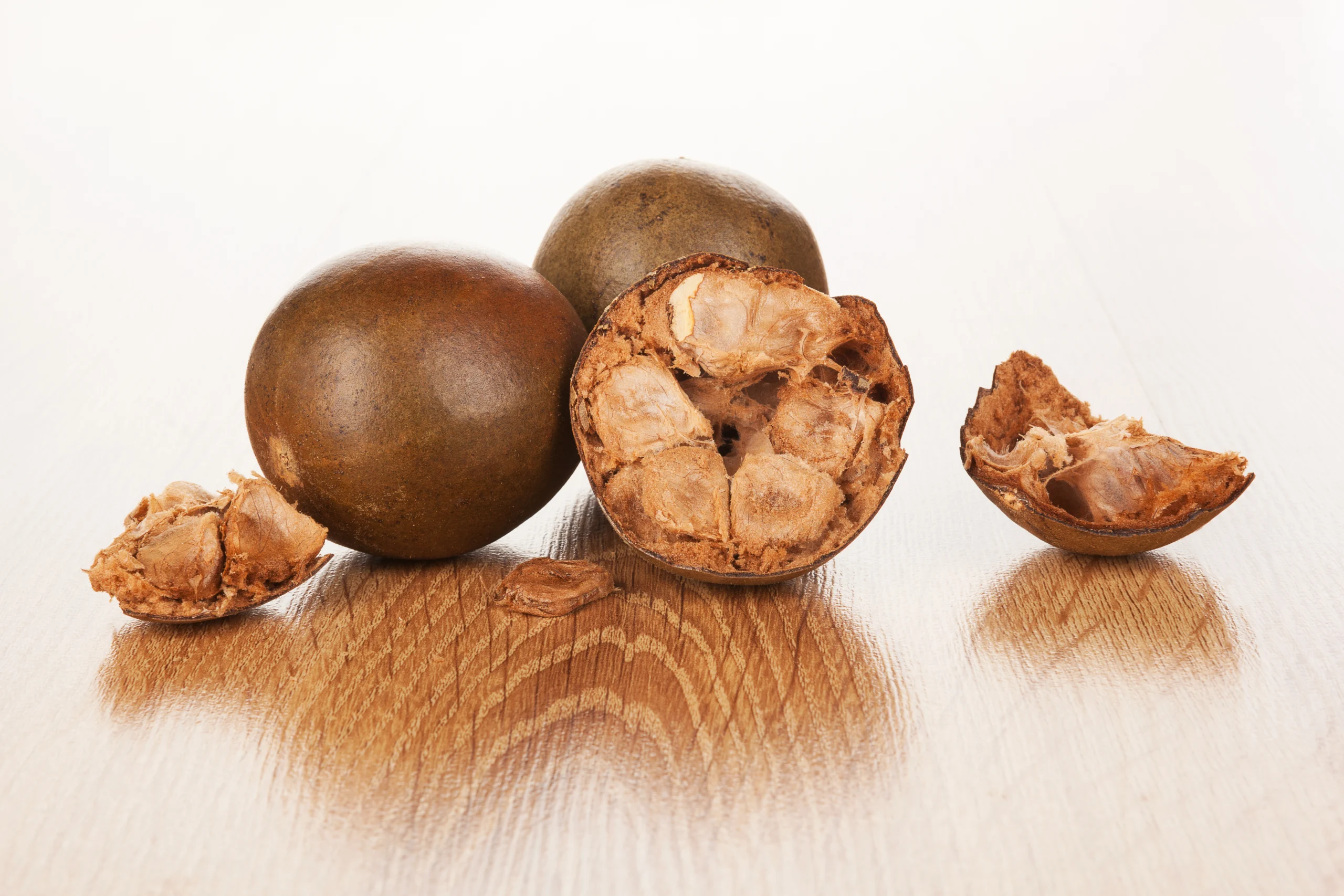
Monk fruit is a small, round fruit that grows on vines in the mountains of southern China. It has been used in traditional Chinese medicine for centuries — long before anyone thought of turning it into a sweetener. Today, it’s one of the most sought-after natural sweetening ingredients in the food and beverage world, and for good reason.
The sweetness comes from natural compounds in the fruit called mogrosides. These compounds taste intensely sweet — anywhere from 150 to 250 times sweeter than table sugar — but your body doesn’t metabolize them the way it does sugar. They pass through largely unchanged, which means zero calories, zero impact on blood sugar, and no insulin spike. For anyone watching carbs, managing blood sugar, or simply trying to avoid sugar, monk fruit is about as clean as it gets.
The taste, when it’s done right, is remarkably close to sugar. Clean, rounded, and naturally sweet without the sharp chemical edge you get from artificial sweeteners like sucralose or acesulfame K. There’s no stevia-style bitterness, and no lingering aftertaste that announces “this is a sugar-free product.”
That’s monk fruit at its best. What it does beyond sweetening, though, is what makes it genuinely special.
Why Does Your Supplement Taste So Bad in the First Place?
Before we get to what monk fruit does, it helps to understand why certain supplements are so hard to take.
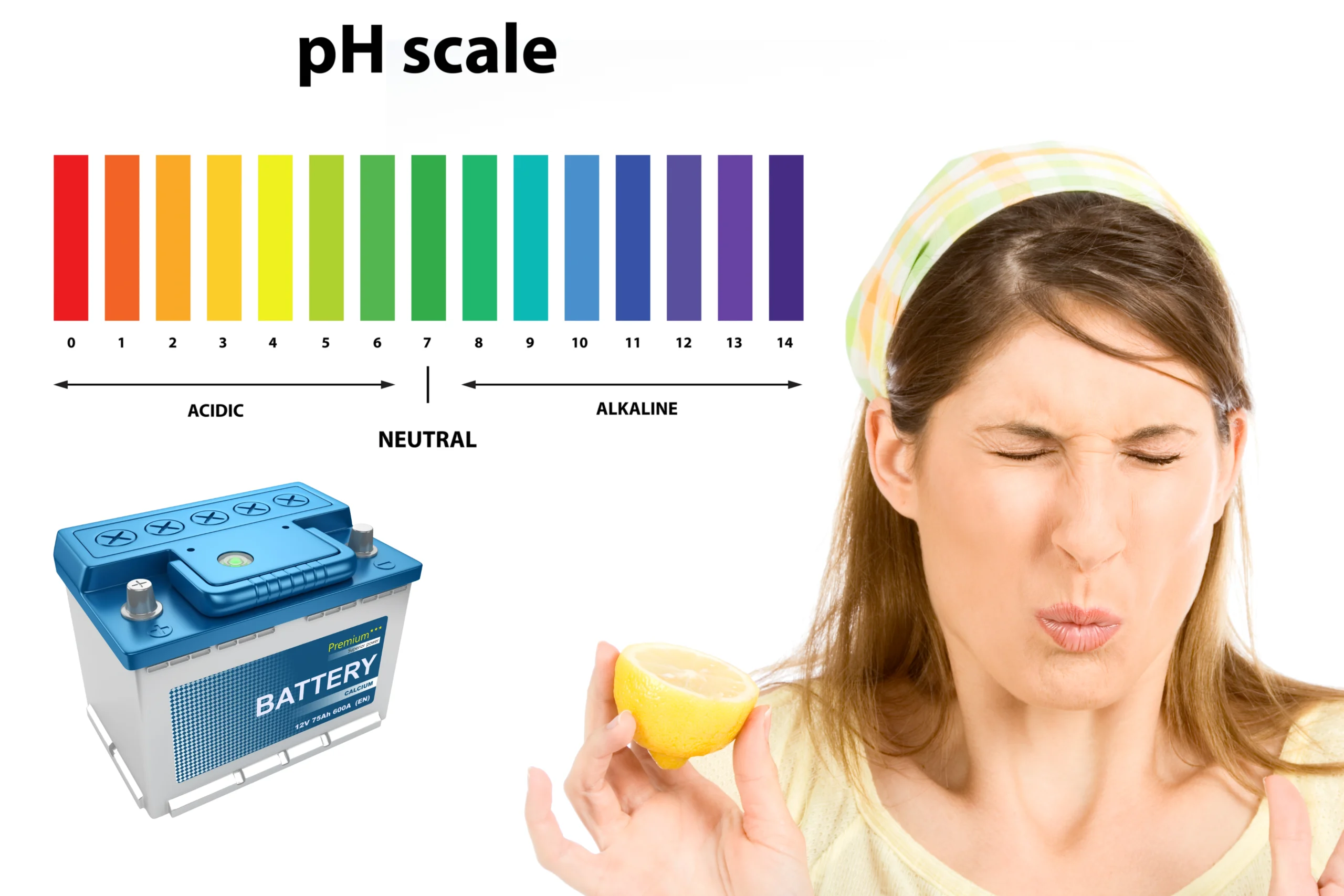
Botanicals like kava, kratom, ashwagandha, and turmeric are loaded with natural compounds — alkaloids, terpenes, tannins — that your bitter taste receptors are specifically designed to detect. Bitterness evolved as a warning signal: the brain flags intensely bitter flavors as potentially toxic, which is why a strong bitter hit triggers a near-involuntary recoil. Sometimes the same compounds that make these botanicals beneficial are the ones that make them taste terrible. In other cases, the active ingredients are tasteless but the other compounds in plant powder or extract are responsible for the bad taste or flavor. One way or the other, the bitter, earthy, woodsy, herbaceous and other off notes must be dealt with.
Other supplements trigger similar reactions for different reasons. High-dose amino acids and certain B vitamins carry metallic, fishy, salty and other off-notes. Concentrated herbal extracts can be astringent enough to make your mouth feel like it’s drying out. Liquid supplements with preservatives and co-solvents (citric or malic acid, ethanol or propylene glycol) are acrid, sharp and sometimes burning. They do not only cause bad taste and mouthfeel but irritate your esophagus and may cause heartburn and indigestion especially when taken on empty stomach.
TECHNO-MIXERS were engineered to resolve all these issues and sweetness is one important part of the solution.
What Monk Fruit Does That Other Sweeteners Can’t
Sweetness is one of the oldest tricks in the book when it comes to making something unpleasant more drinkable. It works, to a point — flooding the palate with a strong sweet signal can push bitterness and acidity into the background, and for mild off-notes in a forgiving product, that may be enough. But there’s a ceiling to what sweetness alone can do, and most difficult supplements hit that ceiling fast. Push the sweetness high enough to genuinely overwhelm a strong bitter or acidic note and you’ve created a drink that’s cloyingly, oppressively sweet in a way that’s almost as hard to get down as the original. Sweetness alone is also not very useful in masking off flavors. The more effective approach — and the harder one to execute — is to address bitterness and other off tastes and off flavors directly, using ingredients that target those specific taste signals rather than trying to shout over them with sugar.
Monk fruit is particularly useful for this purpose. The same compounds that make it sweet — mogrosides — also interact with the bitter taste receptors on your tongue and do other wonderful things. They don’t just add a sweet layer over the top of the bitterness. They actively compete with bitter molecules for the same receptor sites, physically reducing how much of that bitter signal reaches your brain.
This is why monk fruit is genuinely useful in the kind of supplements Techno-Mixers was designed for. It isn’t there just to make things taste sweet. Monk fruit helps fight chemical, metallic, herbaceous notes and astringency thus doing targeted work against the specific taste, mouthfeel, and flavor problems that make supplements so difficult to take.
How Monk Fruit Tastes in Real Supplement Products
In a well-made supplement product, you shouldn’t taste the monk fruit at all. That’s actually the goal.
When monk fruit extract is formulated correctly, it blends into the background. It rounds out the sweetness, suppresses what it can of the bitter character, and disappears into the overall flavor. What you notice is that the product is more drinkable — not that it tastes like monk fruit.
Where monk fruit goes wrong is when it’s used alone, at too high a concentration, or in a thin liquid without any structural support. In those situations, it can leave a faint, overripe melon character — pleasant to some, off-putting to others — and a sweetness that doesn’t quite land the way sugar does. This is why monk fruit works best as part of a complete system rather than a single-ingredient solution.
Not All Monk Fruit Extracts Are the Same — And the Difference Shows Up in Your Glass
Here’s something most people don’t know: monk fruit extract comes in different grades, defined by the concentration of mogroside V — the specific compound responsible for sweetness and bitterness suppression. The higher the concentration, the purer the extract, the cleaner the taste, and the more powerfully it does its job. The grade also determines the cost.
The three most common commercial grades are V25, V40, and V50.
V25 — 25% Mogroside V is the entry-level grade and the most widely used because it’s the most affordable. It’s approximately 125 times sweeter than sugar and works reasonably well in simple applications where the flavor environment isn’t too challenging — a flavored tea, a light beverage mix, a collagen powder. The trade-off is that lower purity means more co-extracted compounds from the fruit, which can introduce a faint melon-rind or vegetal character, especially in thin liquids. For genuinely bitter or pungent supplements, V25 tends to be underpowered as a bitterness suppressor. Its receptor-blocking effect is present but limited.
V40 — 40% Mogroside V is the mid-range grade, roughly 200 times sweeter than sugar and meaningfully cleaner in flavor. The elevated purity reduces the off-note contribution and gives it more presence at the bitter receptor sites. It performs well in protein drinks, flavored functional beverages, and moderately difficult supplement matrices. Most quality supplement products that use monk fruit are formulated with V40 or above.
V50 — 50% Mogroside V is the premium grade — approximately 250 times sweeter than sugar, with the cleanest flavor profile of the three. The sweetness is neutral and complete, the melon character of the lower grades is essentially gone, and the bitterness-suppression effect is at its strongest. This is the grade that belongs in any product where the base ingredient is aggressively bitter and every component needs to be working at maximum efficiency.
It is also the most expensive of the three. The purity gap between V25 and V50 is real, and so is the price gap. Which is exactly why so many consumer products and supplements settle for V25 or skip monk fruit entirely in favor of cheaper sweeteners — and exactly why so many of them fall short when the botanical they’re trying to mask has any serious bite to it.
One other thing worth paying attention to is the specific source of the extract. Even when monk fruit extract is purified to a 50% mogroside V specification, that still leaves 50% coming from other plant compounds. Think of it like wine — the growing region, the harvest conditions, and each manufacturer’s extraction protocol all affect the taste and taste-modulating properties of the final extract. We evaluated extracts from 22 manufacturers to find the two that deliver consistent taste and taste-modulating performance in our demanding application. Every new lot is tested again before it goes into TECHNO-MIXERS.
TECHNO-MIXERS are made with a generous dose of V50. That decision is not incidental. In a product specifically designed to handle the worst-tasting supplements on the market, using anything less than the highest-purity grade from a vetted source would be a compromise that shows up directly in the glass. V50’s stronger bitterness-suppression capacity is precisely what the application demands — and it’s one of the reasons TECHNO-MIXERS performs differently than simply mixing your supplement with a flavored syrup or fruit juice.
Why Bitter Supplements Are Especially Difficult — And What It Takes to Fix Them
A standard flavored drink is not that hard to sweeten. You have a clear liquid, a fruit flavor, a sweetener, and done. There’s nothing in the way.
A kava shot or a high-dose herbal tincture is a completely different problem. You’re starting with a liquid that may already taste earthy, bitter, astringent, and sometimes burning — all at once. Adding sweetness helps, but it addresses only one of those notes. The astringency is still there. The burning is still there. The earthy, vegetal character of the botanical is still there.
Real taste masking in this environment requires a system that works on several levels simultaneously. Something to bind the bitter molecules and reduce how much of them your taste buds actually encounter. Something to smooth the astringency, eliminate the burning sensation and excessive acidity. Something to provide the mouthfeel and body that makes a drink feel satisfying rather than thin and medicinal. And then something to provide the right sweetness before moving to flavoring.
That’s the logic behind how Techno-Mixers were engineered.
How Techno-Mixers Use Monk Fruit — And Why It Works
TECHNO-MIXERS products are not a flavored syrup. It’s a complete taste-masking system developed specifically for supplements that are hard to take — the ones with strong botanical, earthy, bitter, or chemically unpleasant profiles.
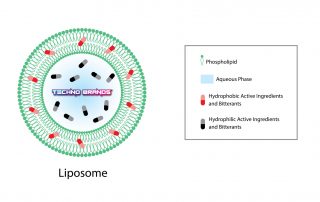
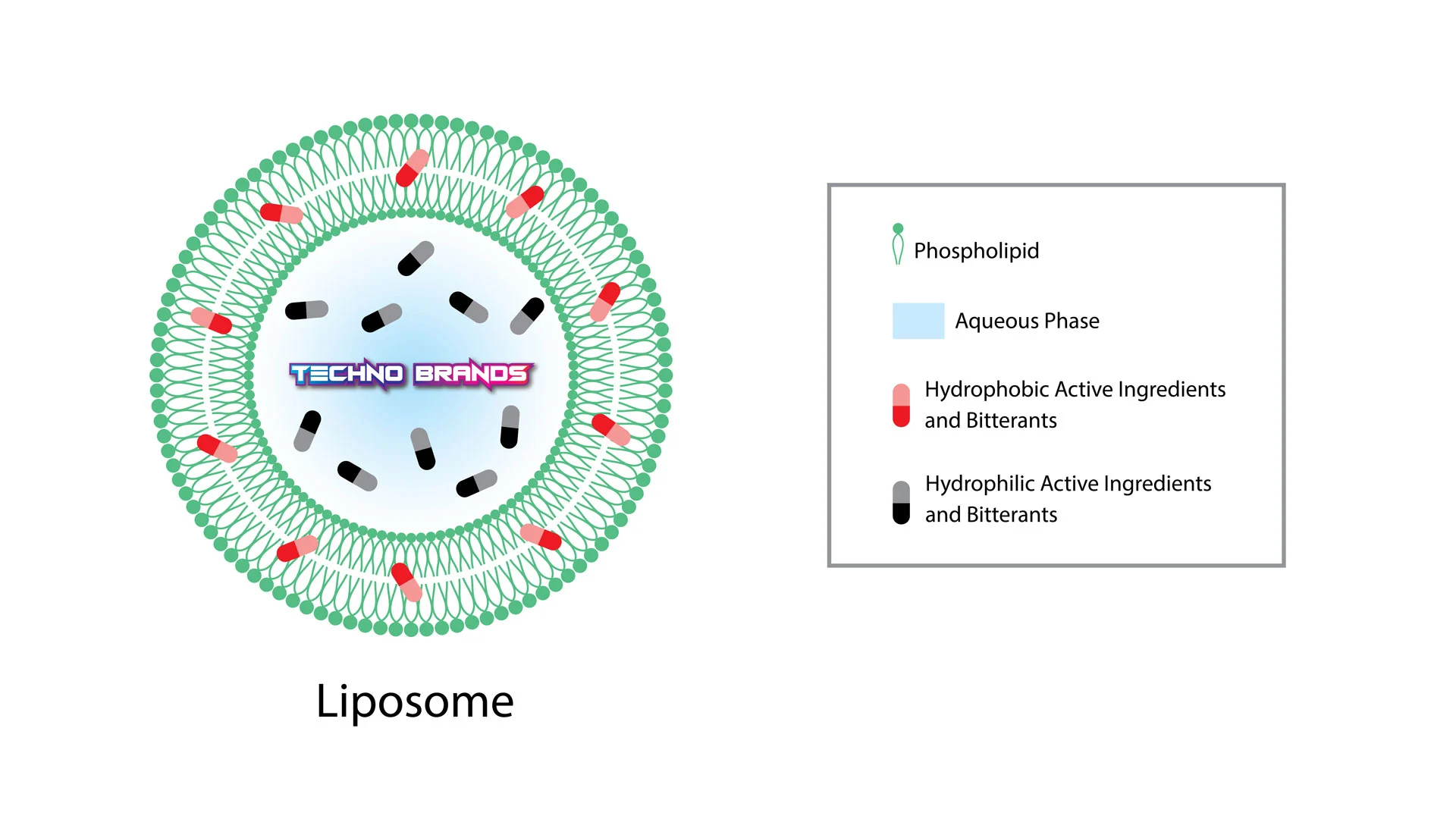
The formula works in layers. Sunflower lecithin forms tiny lipid nanoparticles in solution. When you mix TECHNO-MIXERS with your supplement, these nanoparticles grab the bitter and pungent molecules of the supplement, physically encapsulating them and dramatically reducing their contact with your taste receptors. The supplement’s active compounds are still fully present. They’re just no longer announcing themselves quite so aggressively.
Vegetable glycerin and allulose — a naturally occurring rare sugar — add body, smoothness, and a mouthfeel that makes the final drink feel complete rather than watery or medicinal. These aren’t just filler ingredients. They’re doing structural work that sweeteners alone can’t do.
Monk fruit extract (V50, the highest-purity grade) and stevia extract handle the sweetness layer, but they’re selected and balanced specifically for this environment. Monk fruit contributes its bitterness-suppressing properties alongside its sweetness, working in tandem with the nanoparticle system to reduce bitter perception from two directions at once. Stevia covers the initial sweetness hit; monk fruit fills in the mid-palate and carries the finish. Together, and at the right ratio, they cancel out each other’s subtle off-notes and produce a sweetness that actually reads like sugar.
Finally, a set of carefully chosen natural flavor compounds — developed over years of formulation work specifically for use with pungent botanical supplements — smooth out whatever edges remain. The flavors available (including options like Fruity Maple, Passion Fruit, and Bubble Gum) aren’t just masking agents. They’re selected because certain flavor families are particularly effective at suppressing the specific off-notes that botanical extracts produce.
The result is a supplement experience that, for many people, goes from something they dread to something they don’t think about. The kava shot that made you wince is now just a drink. The kratom tincture that tasted like forest floor is now tolerable, or better. Users have described the change as a genuine surprise — they expected improvement, not transformation.
The Bottom Line
Monk fruit extract is one of the most capable natural sweeteners available. But what makes it valuable in a product like TECHNO-MIXERS isn’t just the sweetness — it’s the bitterness suppression and taste/flavor modulation that comes built into the same molecule. In an environment as challenging as a high-dose herbal supplement, that dual function makes it genuinely useful in a way that no artificial sweetener, and no other natural sweetener, quite replicates.
If you’re currently working around the taste of your supplements rather than fixing it, that’s worth reconsidering. The taste problem isn’t a necessary part of taking the supplement. It’s a formulation problem — and formulation problems have solutions.
TECHNO-MIXERS is one of them. And monk fruit is a big part of why it works.