PROPYLENE GLYCOL IN BOTANICAL SUPPLEMENTS. IS THIS NORMAL?
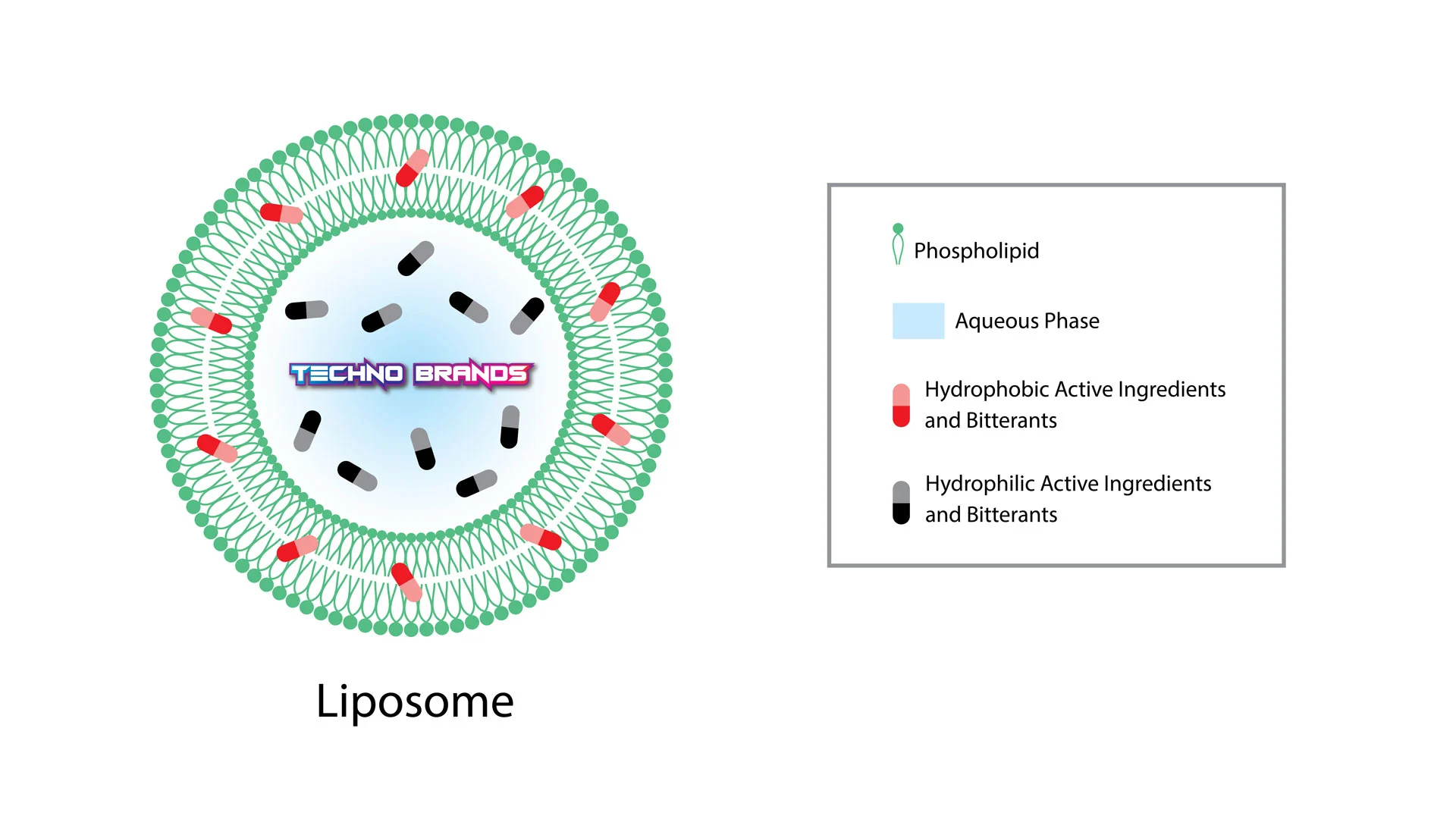
Propylene Glycol (PG) is a synthetic chemical solvent sometimes used in supplements, foods, cosmetics, and pharmaceuticals. It is a great solvent for many compounds that aren’t soluble in water and a frequent alternative for glycerol and alcohol.
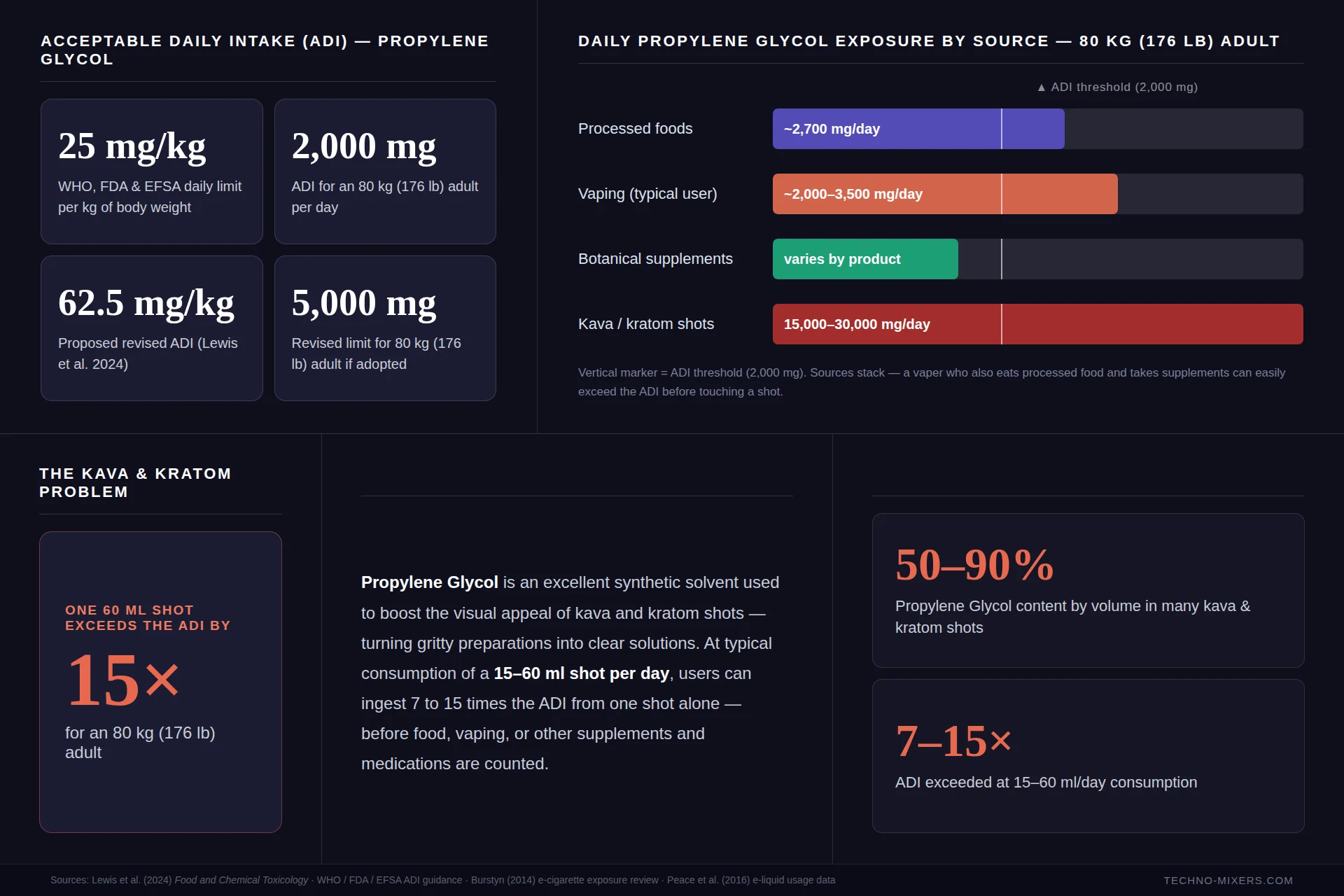
It is generally recognized as safe (GRAS status with the FDA); however, the dose must be maintained low to ensure safety. The WHO, FDA, and European Food Safety Authority (EFSA) all currently set an Acceptable Daily Intake (ADI) of 25 mg/kg of body weight per day (approximately 11.4 mg per pound).
For an 80 kg person (176 lb), this amounts to 2,000 mg of PG per day — a threshold that is easier to reach than it sounds when multiple PG-containing products are consumed together.
The estimated exposure to propylene glycol (PG) through foods in the US is 15 mg per pound (34 mg/kg) per day, equating to approximately 2.7 g of PG per day, primarily from processed foods. An optimistic report* indicates that ADI may be increased to 62.5 mg/kg of body weight per day, which translates to 5,000 mg for an 80 kg person (176 lb).
PG is a very common solvent for flavorings used in foods, beverages, and supplements. Since only a very small amount of these flavor extracts is typically needed (less than 2% of the total mass of the final product), the quantity of PG from flavoring is so low that regulations do not require it to be mentioned on the list of ingredients.
The exposure from foods, cosmetics, and pharmaceuticals is not generally considered excessive.
Vaping
PG is also used as a primary solvent in e-liquids used in vapes. Reported daily use of e-liquids is typically less than 4 ml (under ~5 g) per day. Since most e-liquids contain PG at concentrations ranging from 50% to 80%+ of the liquid, this translates to roughly 2–3.5 ml of PG per day for a typical user — approximately 2,000–3,500 mg of PG. For an 80 kg adult, this already meets or exceeds the ADI, making vaping alone a meaningful source of PG exposure before food, supplements, cosmetics or medications are factored in.
Botanical Supplements
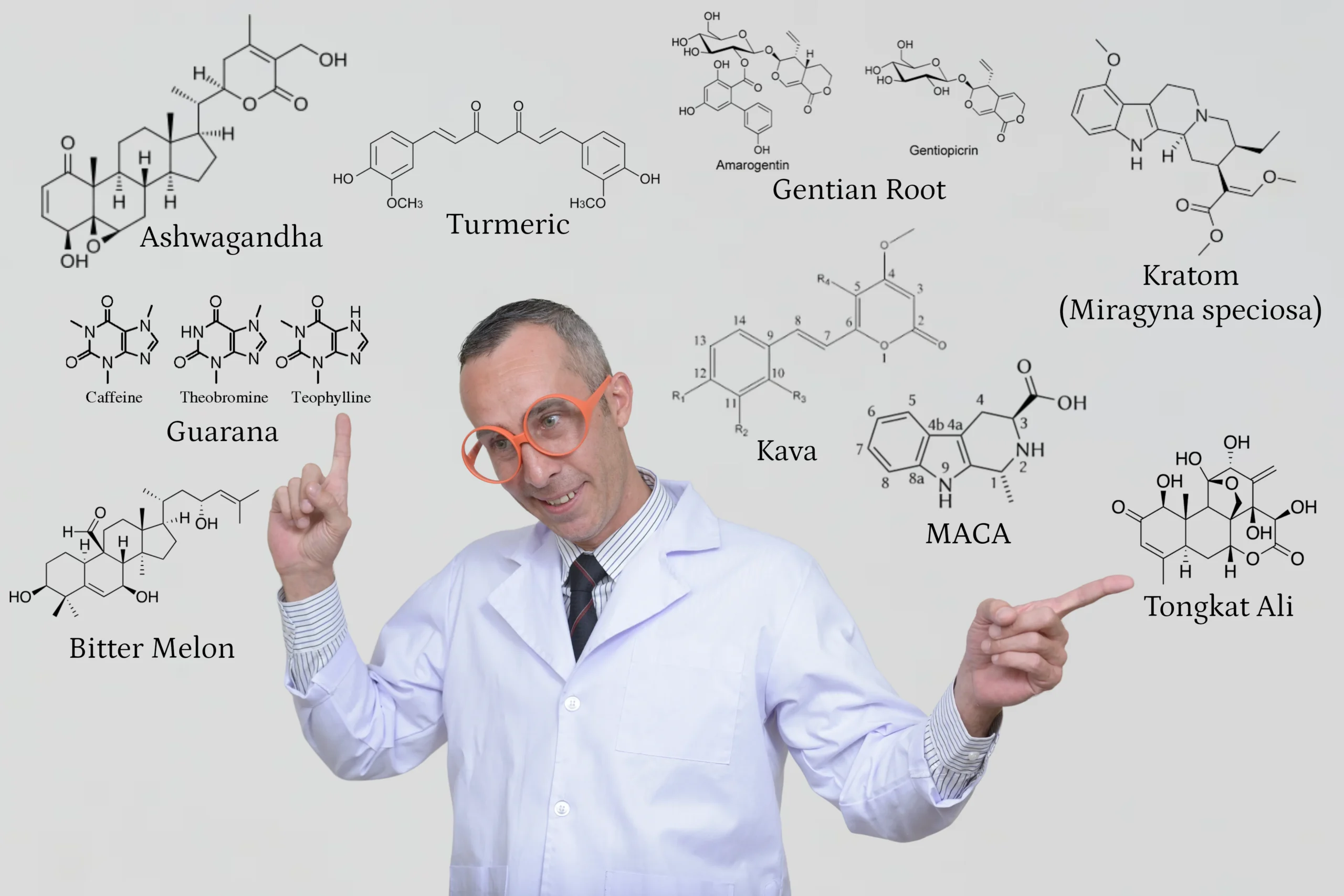
The situation can be very different with certain supplements. Examples of natural products where propylene glycol is used as a primary solvent and makes up a significant part of the formula include Kava, Corn Silk, Echinacea, Chaparral, St. John’s Wort, Olive Leaf, Kratom, Propolis, and many others. In most cases, the amount of supplement needed to achieve the recommended active dose — and the frequency of consumption — are low enough to remain within the ADI, or at least close to it. There are, however, some notable exceptions.
The Case of Kava and Kratom Shots
As mentioned above, PG is an excellent solvent, and it is used to boost the visual appeal of kava and kratom shots. PG has its own taste, which most people describe as metallic, chemical, or irritating, and slightly sweet. Instead of a gritty liquid that needs to be shaken before consumption, you have a fully homogenous, nearly clear liquid. In terms of taste, the drawback is mostly manageable. Since most kava and kratom shots on the market taste very bad anyway, for most people, adding PG goes almost unnoticed. PG may cause esophageal irritation and, in some users, heartburn and digestive discomfort, but again, many concentrated botanical extracts have similar issues, so the situation isn’t out of the ordinary.
There are quite a few Kratom and Kava shots on the market that contain 50-90% of propylene glycol in the formula. Their typical consumption patterns are 15-60 ml per day and in some extreme cases even more. By consuming these shots, one can easily ingest 15-30 ml of PG and push daily intake 7-15 times above ADI. Again, in some cases even more.
Health Effects of Chronic Overexposure
Chronic oral exposure to propylene glycol can cause several health effects, including allergic reactions, kidney and liver toxicity, central nervous system toxicity, cardiac arrhythmia, and lactic acidosis. Symptoms may include:
- Skin irritation, rash, or itching. In severe cases, ingestion can lead to difficulty breathing and swelling of the face, lips, or throat.
- Central nervous system toxicity: Depression, confusion, seizures, agitation, headaches, dizziness, ataxia (loss of coordination), and coma.
- Cardiovascular effects: Irregular heart rate, sinus arrhythmia, tachycardia, and tachypnea.
- Metabolic acidosis: Lactic acidosis from high doses.
- Other effects: Hypotension, dysrhythmias, cardiovascular decompensation, hyperosmolarity, and hemolysis.
Is Your Exposure to PG High, and Should You Try to Reduce It?
If you eat lots of processed foods, you may be approaching the ADI. If you are a vaper, your chance of exceeding it increases. If you consume supplements or pharmaceuticals made with PG, your risk of exceeding the ADI goes even higher — and if you consume kava or kratom shots made with PG, you are almost guaranteed to exceed it several times over. What should you do? Read your supplement labels carefully. The earlier PG appears on the list of ingredients, the higher its concentration in the formula. As a general rule, in order for PG to be an effective solvent for botanicals, its concentration must be at least 50%. Figure out the volume you consume. If you drink one 60 ml bottle of kava with PG listed in the ingredients, you are ingesting 30 ml of this solvent and exceeding the ADI 15 times — more if you also vape, use other PG-containing supplements/cosmetics/medications, or eat a lot of processed foods.
*Considerations for deriving a safe intake of propylene glycol
Ari S. Lewis, Steven R. Boomhower, Charlotte M. Marsh, Maia M. Jack
Food and Chemical Toxicology, Volume 186, 2024, Page 114460
Abstract: The use of propylene glycol (PG) in food and other applications is widespread, and some estimates of dietary exposure to PG approach or exceed the Acceptable Daily Intake (ADI) of 25 mg/kg bw-day. The current ADI for PG applies a cumulative uncertainty factor of 100, which includes factors of 10 for both interspecies and intraspecies differences. Available toxicology studies and human data, however, indicate a plausible mode of action (MoA) that would support a chemical-specific adjustment factor (CSAF) of 1 for interspecies toxicodynamic differences, reducing the total uncertainty factor from 100 to 40. The MoA involves an increase in serum PG concentrations after metabolic saturation, leading to serum hyperosmolarity, which can ultimately cause hemolytic changes and red blood cell damage. Therefore, the species similarities in toxicodynamic response for this critical effect could support increasing the ADI from 25 to 62.5 mg/kg bw-day, applicable to both children and adults.