ASTRINGENCY EXPLAINED: WHAT IT IS, WHAT CAUSES IT, AND HOW TO FIX IT

Astringency is one of the most common reasons people struggle with botanical supplements, protein drinks, and herbal shots — and one of the least understood. Most people recognize the sensation. Far fewer know what’s actually causing it, or why the usual fixes don’t work particularly well.
That dry, rough, puckering feeling after a sip of strong black tea or a kava shot isn’t a flavor. It isn’t bitterness. It’s a physical event happening in your mouth, and addressing it requires a different approach than masking a bad taste.
What Astringency Actually Is
Astringency is a tactile sensation, not a taste. The five basic tastes — sweet, sour, salty, bitter, umami — are detected by taste receptor cells on the tongue. Astringency is detected differently: through sensory nerve endings distributed across oral surfaces that respond to physical and chemical changes in the mouth rather than dissolved flavor compounds.
The mechanism is specific. Your mouth is continuously coated by saliva, which contains proteins — particularly mucins and proline-rich proteins — that act as a lubricant between surfaces. Astringent compounds bind to these proteins, causing them to aggregate and precipitate out of solution. When those proteins clump and lose their lubricating function, friction increases between your tongue, cheeks, and teeth. What you feel is that dryness, roughness, and puckering — the unmistakable calling card of astringency.
This is why astringency cannot be “masked” the way bitterness can. You can partially suppress bitterness with sweetness, or block bitter receptor sites with certain compounds. But saliva protein precipitation is a physical process. Sweetness doesn’t prevent it. The fix has to be mechanical: either reduce the contact between astringent compounds and salivary proteins, or restore lubrication to oral surfaces after the damage is done.
What Causes It
The primary drivers of astringency are polyphenols — a broad class of plant compounds that includes tannins, catechins, flavonoids, and phenolic acids. Tannins are the most potent; they have a strong chemical affinity for the proline-rich proteins in saliva and bind to them rapidly and aggressively.
The degree of astringency depends on several factors:
- The concentration of polyphenols in the drink
- The molecular weight of the tannins involved (larger molecules bind more protein)
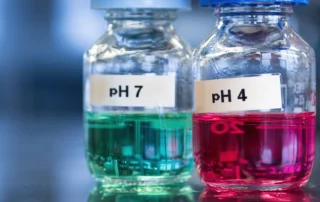
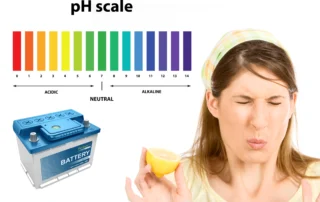
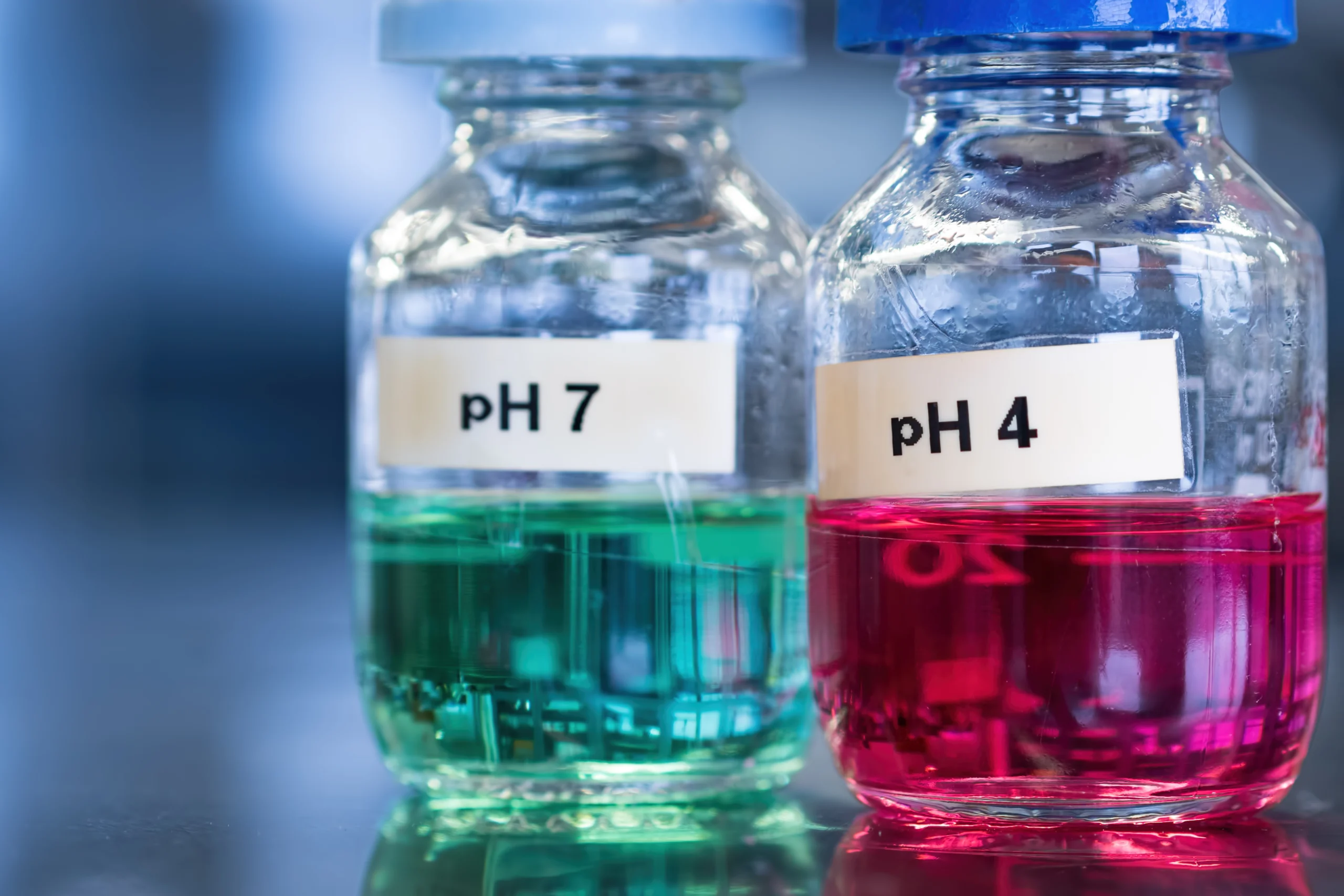
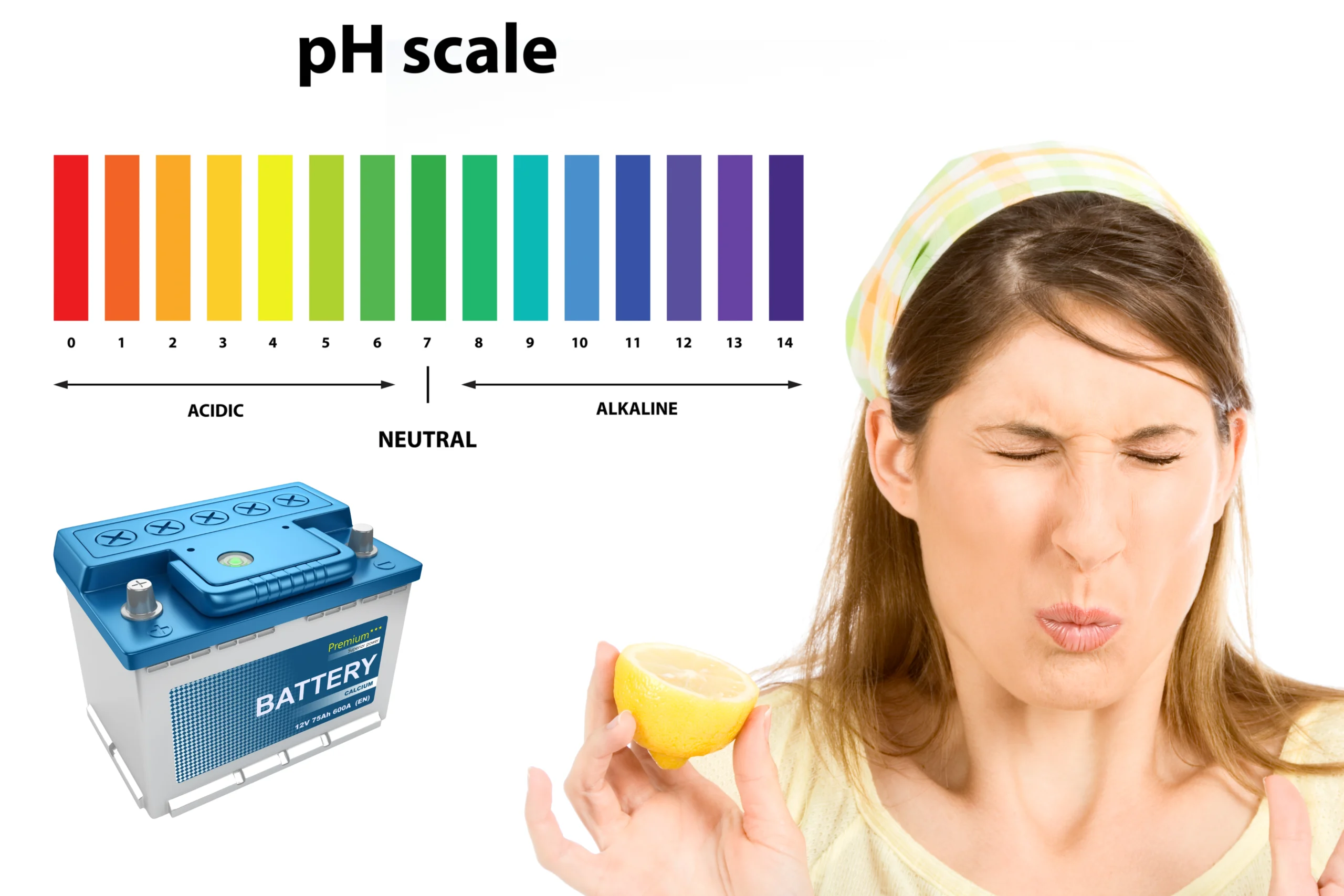
- The pH of the drink, which affects protein conformation and binding affinity
- How much saliva is present and how quickly it’s replenished
Beyond polyphenols, certain plant alkaloids contribute to the overall harshness of botanical drinks through their own interactions with oral tissues, though their mechanism differs from classic tannin-driven astringency. Astringency also overlaps with other sensations — bitterness, earthiness, a burning or chalky character — in a way that makes the total sensory picture worse than any individual component would be alone. This compounding effect is one reason that strongly astringent supplements are so difficult to get down.
Where You’ll Encounter It
Astringency is everywhere once you know what to look for. At low levels, it adds structure and complexity — it’s part of what makes a good red wine interesting, or why a quality green tea has a satisfying “bite.” The problem is concentration.
In everyday food and drink, the most recognizable sources are:
- Strong black and green tea (high in catechins and theaflavins)
- Red wine (tannins from grape skins, seeds, and oak aging)
- Coffee (chlorogenic acids and some tannins)
- Unripe fruit — green bananas, unripe persimmons, and cranberries are classic examples
- Pomegranate juice and dark grape juice
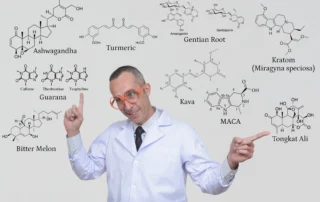
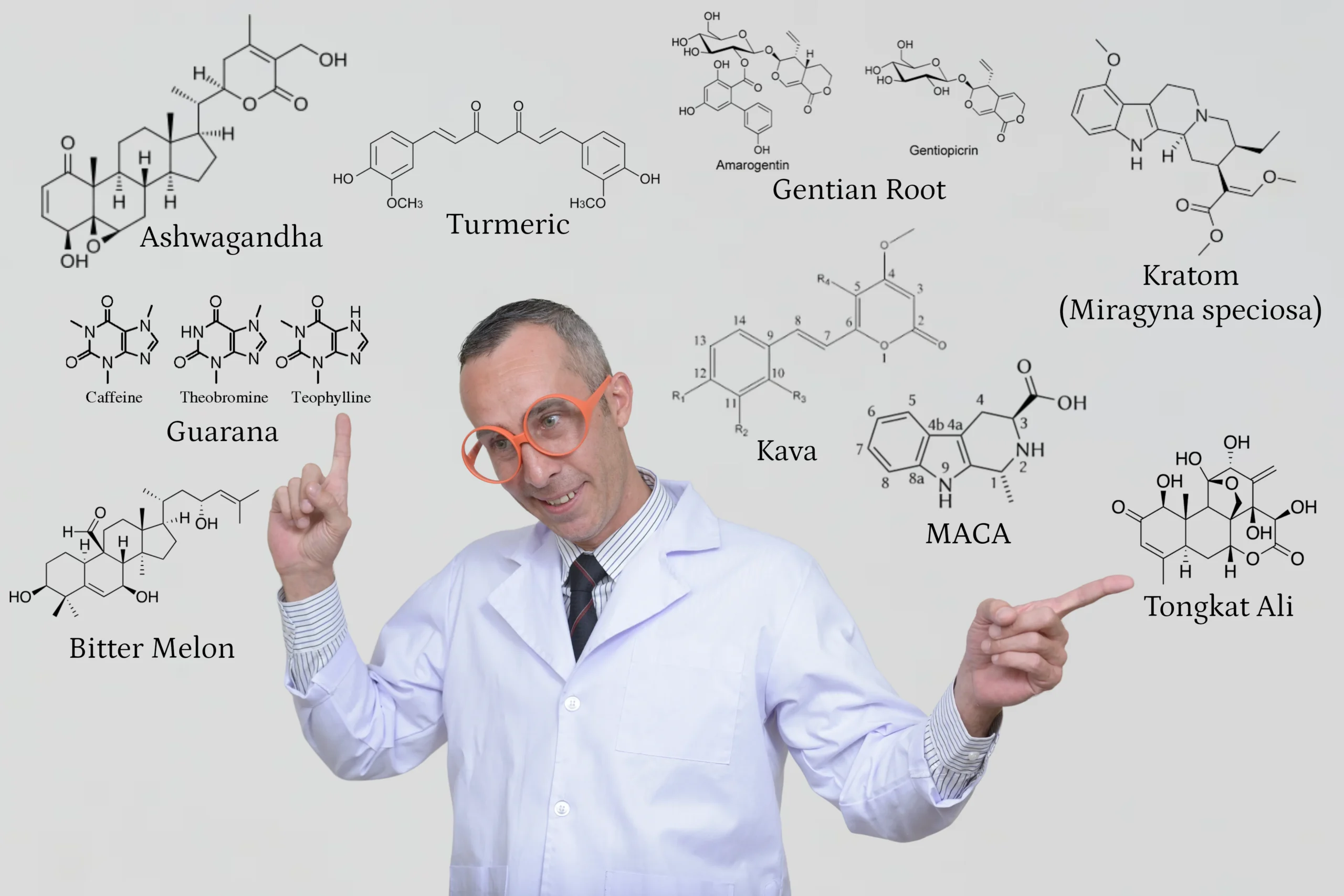
In supplements and botanical products, astringency tends to be far more intense and harder to navigate. Green tea extract — particularly high-catechin versions standardized to EGCG — is aggressively astringent. Grape seed extract, kava, kratom, and herbal blends like triphala all sit at the difficult end of the spectrum. These ingredients are genuinely useful; the astringency is a side effect of the same plant chemistry that makes them functional.
For people taking these supplements regularly — especially in liquid form, where the compounds are more immediately bioavailable and harder to avoid — astringency is not a minor inconvenience. It’s one of the main reasons people stop.
Why It Matters More Than You Might Think
A supplement you dread taking is a supplement you’ll eventually stop taking. This sounds obvious, but the sensory experience of a supplement is often treated as secondary to its active ingredient profile. In practice, the two are inseparable: the best active ingredient in the world does nothing if the person stops using it after two weeks because it feels like drinking liquid bark.
Astringency is particularly problematic because it compounds over a session. The first sip of a strongly astringent drink is manageable. By the bottom of the glass, saliva is depleted, oral surfaces are fully affected, and the accumulated sensation is significantly worse than it was at the start. This is why astringent supplements are so often described as getting harder to consume as the drink goes on — that’s exactly what’s happening physiologically.
It also interacts with bitterness in ways that amplify both. A mildly bitter drink with strong astringency can feel more bitter than it actually is, because dryness reduces the saliva buffering that normally dilutes and clears bitter compounds from receptor sites. Managing astringency, in other words, also makes a drink taste less bitter — even if nothing has been done to the bitter compounds directly.
What Actually Reduces Astringency
Simple sweetness helps somewhat. Sweet stimulation increases saliva flow, which partially replenishes lost lubrication and dilutes the astringent compounds. This is one reason that sugary drinks feel smoother than unsweetened versions of the same thing. But in strongly astringent botanical supplements, sweetness alone doesn’t come close to solving the problem. The protein precipitation is happening faster than saliva can compensate.
What works better is a multi-layer approach:
Coating and lubricating oral surfaces. Viscous, hydrophilic ingredients — vegetable glycerin is the clearest example — form a physical barrier between astringent compounds and salivary proteins, reducing the rate of protein precipitation. The effect is immediate and directly addresses the mechanism of astringency rather than working around it.
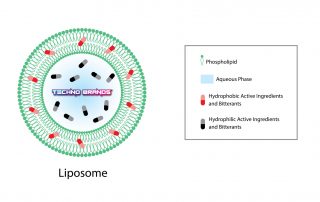
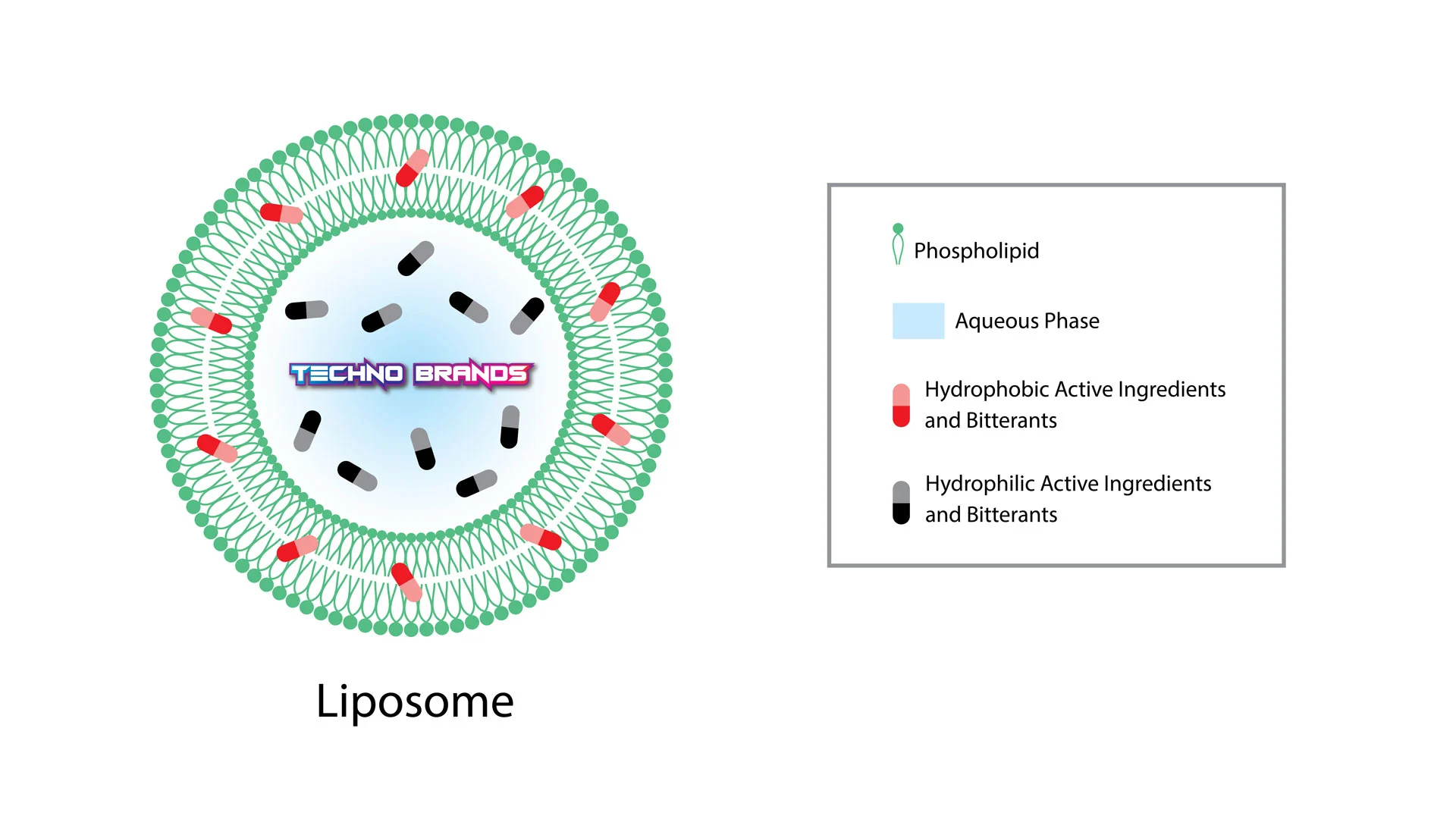
Encapsulating astringent compounds before they reach oral surfaces. Phospholipids like sunflower lecithin, when dispersed in aqueous solution, form lipid nanoparticles with hydrophobic cores. Polyphenols and other astringent compounds — which tend to be hydrophobic — partition into these cores, physically sequestering them and reducing their availability to bind salivary proteins. This is the same mechanism that reduces bitterness from kavalactones in kava drinks; astringency and bitterness reduction often come together in this approach.
Adding body and texture. Thin, watery drinks feel harsher because there is less liquid volume to dilute astringent compounds at oral surfaces. Ingredients that add viscosity and mouthfeel — glycerin, allulose — change the physical character of the drink in a way that reduces the perception of dryness and roughness, independent of any chemical interaction with polyphenols.
The important distinction here is between approaches that address astringency at the source versus those that try to distract from it. Flavor and sweetness can distract, up to a point. Lubrication and encapsulation address the actual mechanism.
How TECHNO-MIXERS Address Astringency
Sunflower lecithin forms lipid nanoparticles that encapsulate polyphenols and other astringent compounds, reducing their contact with salivary proteins before they reach oral surfaces. Vegetable glycerin coats and lubricates the mouth, directly counteracting the friction that defines the astringent sensation. Allulose adds body and texture, changing the physical feel of the drink without adding significant calories.
Monk fruit and stevia extracts, work together with glycerin and allulose, create balanced sweetness and help the bright flavors to induce abundant production of saliva. Taste masking agents that suppress bitterness also reduce the perceived intensity of astringency.
These ingredients are doing specific, mechanistic work. The result isn’t that the astringent compounds have been removed — they haven’t. The result is that far less of their sensory impact reaches you, which makes the difference between a supplement you tolerate and one you actually take consistently.
The Bottom Line
Astringency is a physical sensation caused by a specific chemical process — astringent plant compounds binding to salivary proteins and stripping the mouth of its natural lubrication. It isn’t a flavor, and it can’t be fixed the way a flavor can. The supplements most likely to cause it are also, often, the ones most worth taking.
Understanding what’s happening gives you a clearer picture of what the solutions need to do: coat oral surfaces, intercept astringent compounds before they bind, and restore the mouthfeel that aggressive botanicals take away. That’s the problem TECHNO-MIXERS were built to solve.