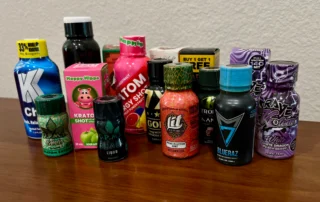
KRATOM SHOT TASTE EXPLAINED: WHY ACIDITY MAKES IT SO MUCH WORSE
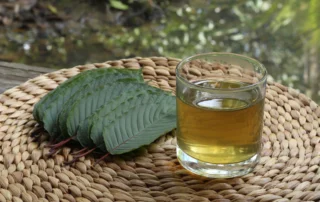
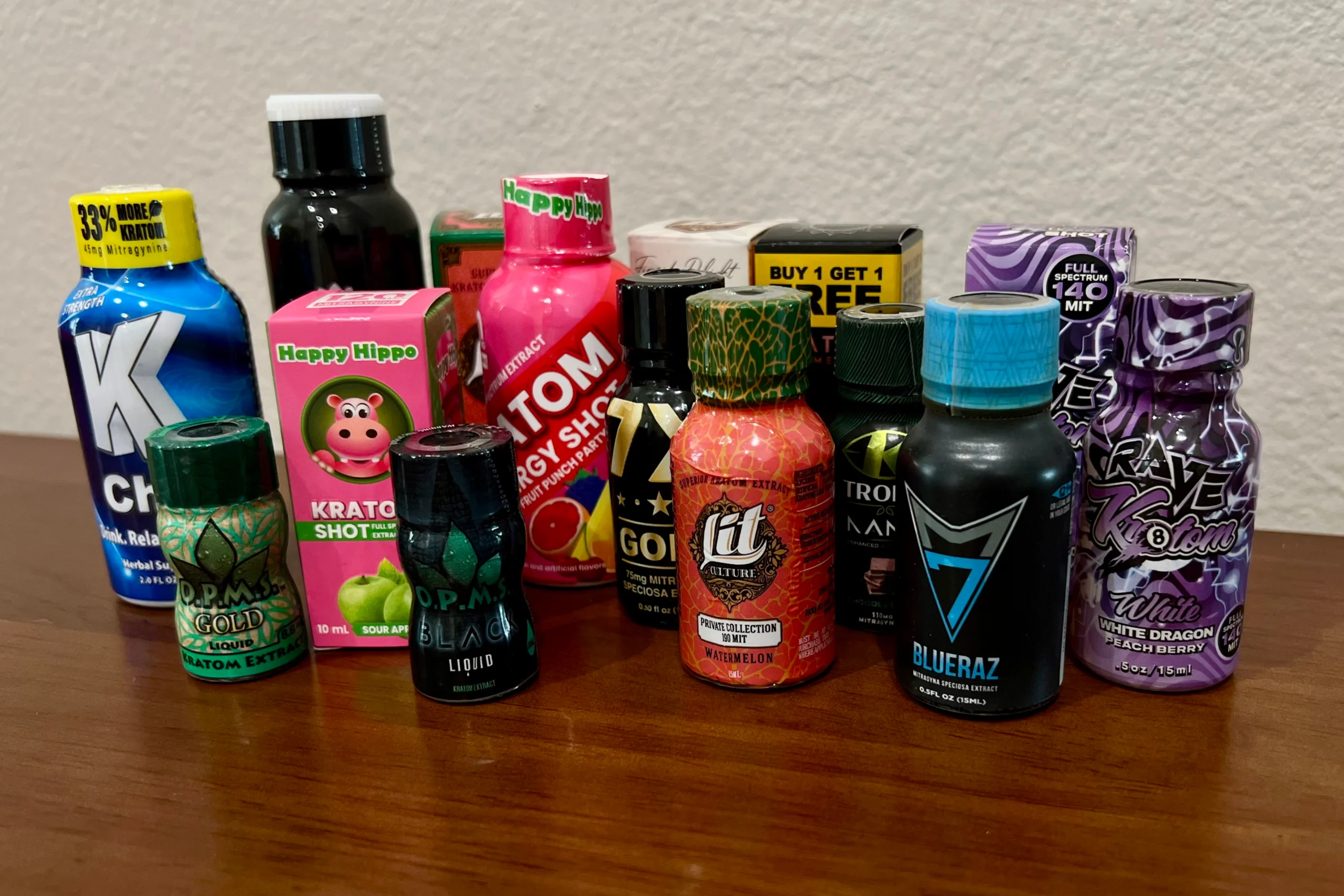
Kratom shots taste even worse than leaf — acidic, harsh, and gritty. Here's why, and how to fix it.

Kratom shots taste even worse than leaf — acidic, harsh, and gritty. Here's why, and how to fix it.
The internet's favorite kratom-bitterness explanation has never actually been tested.
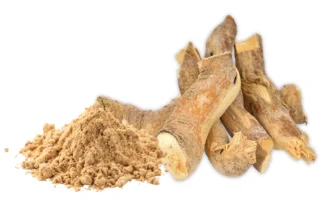
Nasty root, tasty drink — here's the science that gets you from one to the other.
Brutal bitterness, best flavors to handle it, and tricks that you need to know.
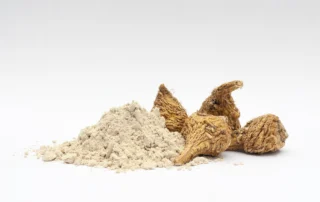
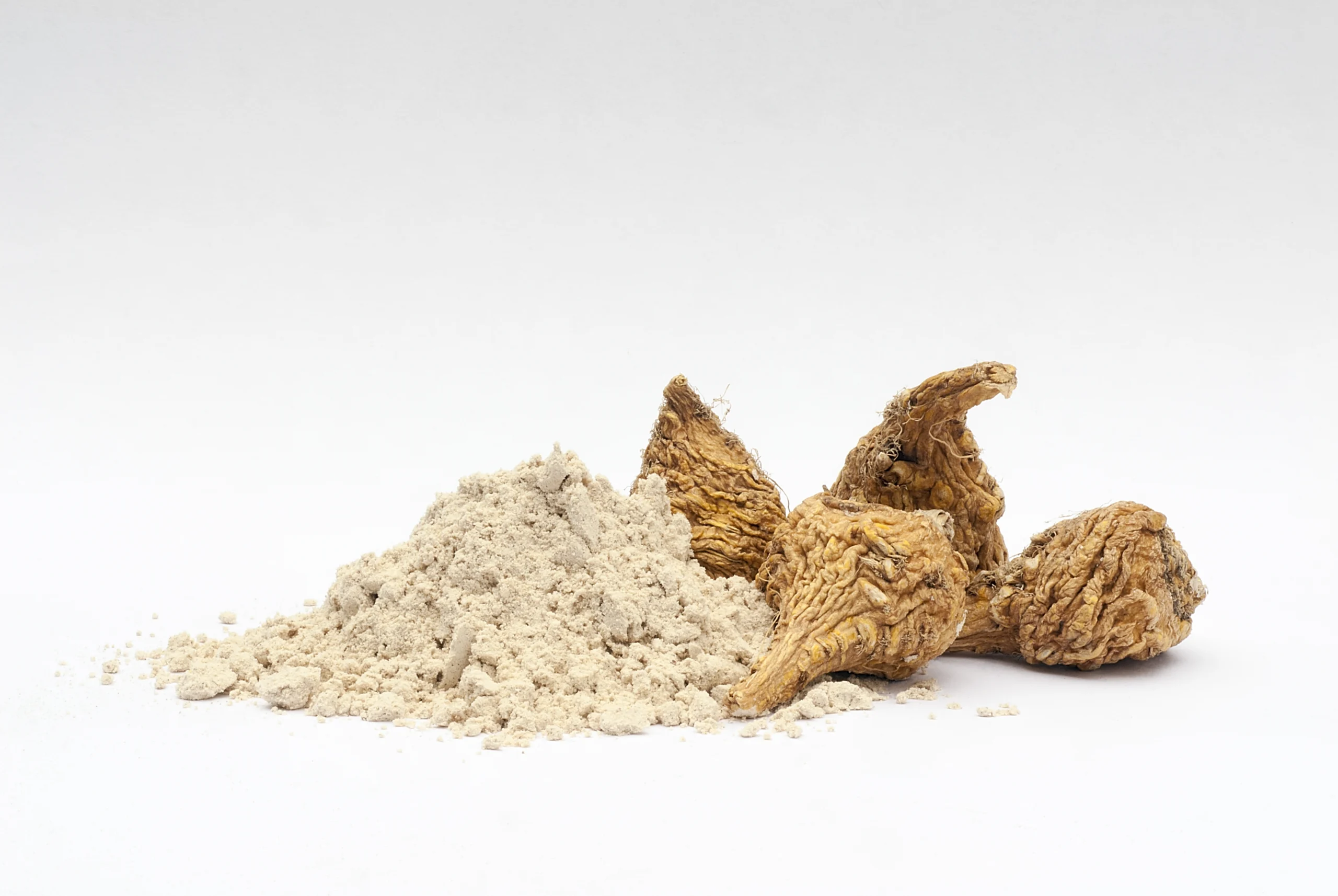
Mustard-sharp, sulfurous, and bitter — maca's flavor problem is real chemistry. Here's the fix.
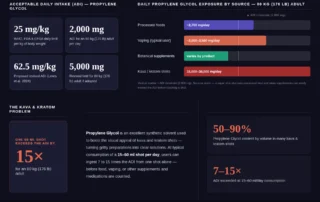
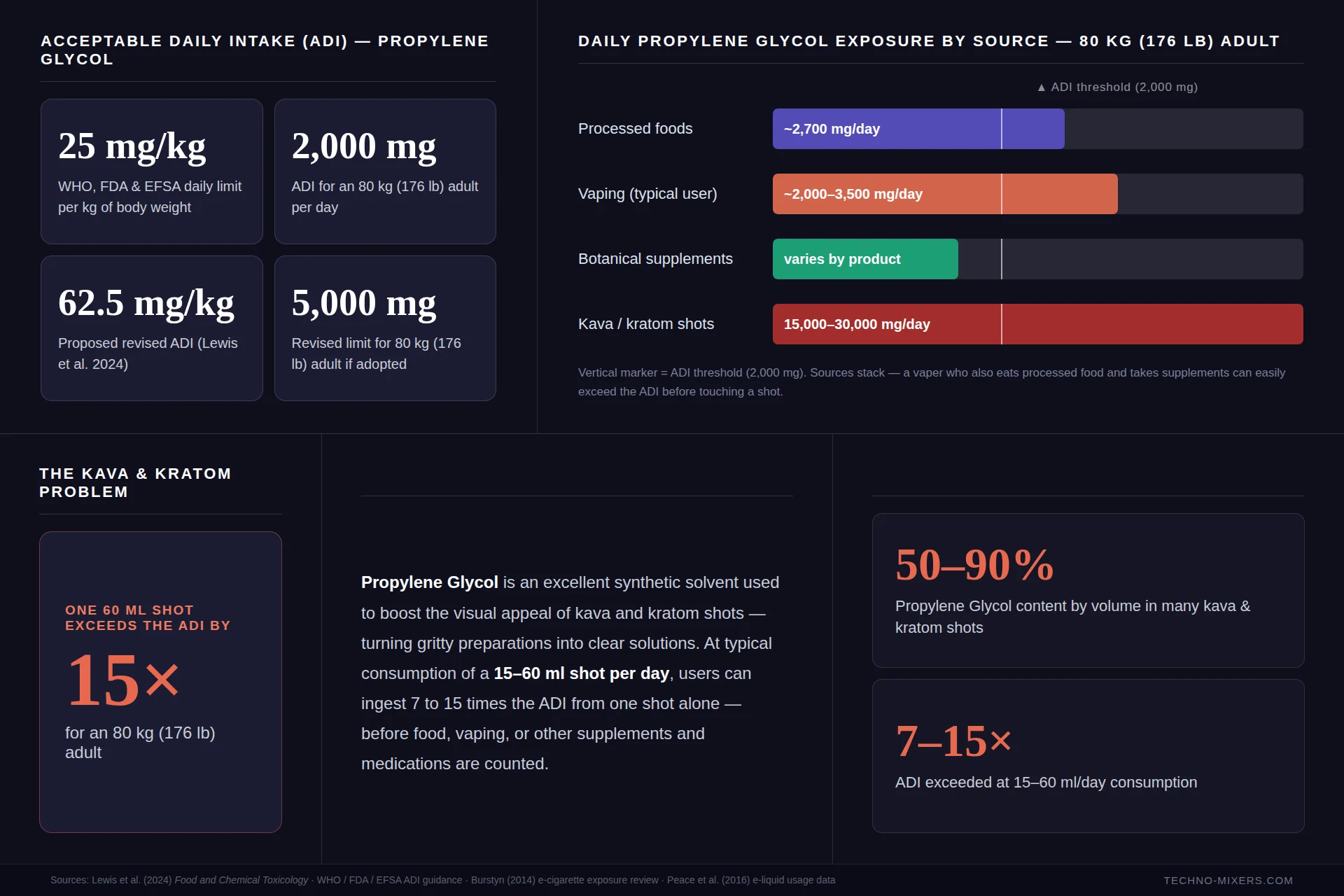
Propylene Glycol (PG) is a synthetic solvent used in supplements, foods, cosmetics, and pharmaceuticals. While safe in small quantities it can be a concern in supplements that are consumed in larger volumes.
Astringency is a tactile sensation, not a taste and it is detected differently: through sensory nerve endings distributed across oral surfaces that respond to physical and chemical changes in the mouth rather than dissolved flavor compounds.
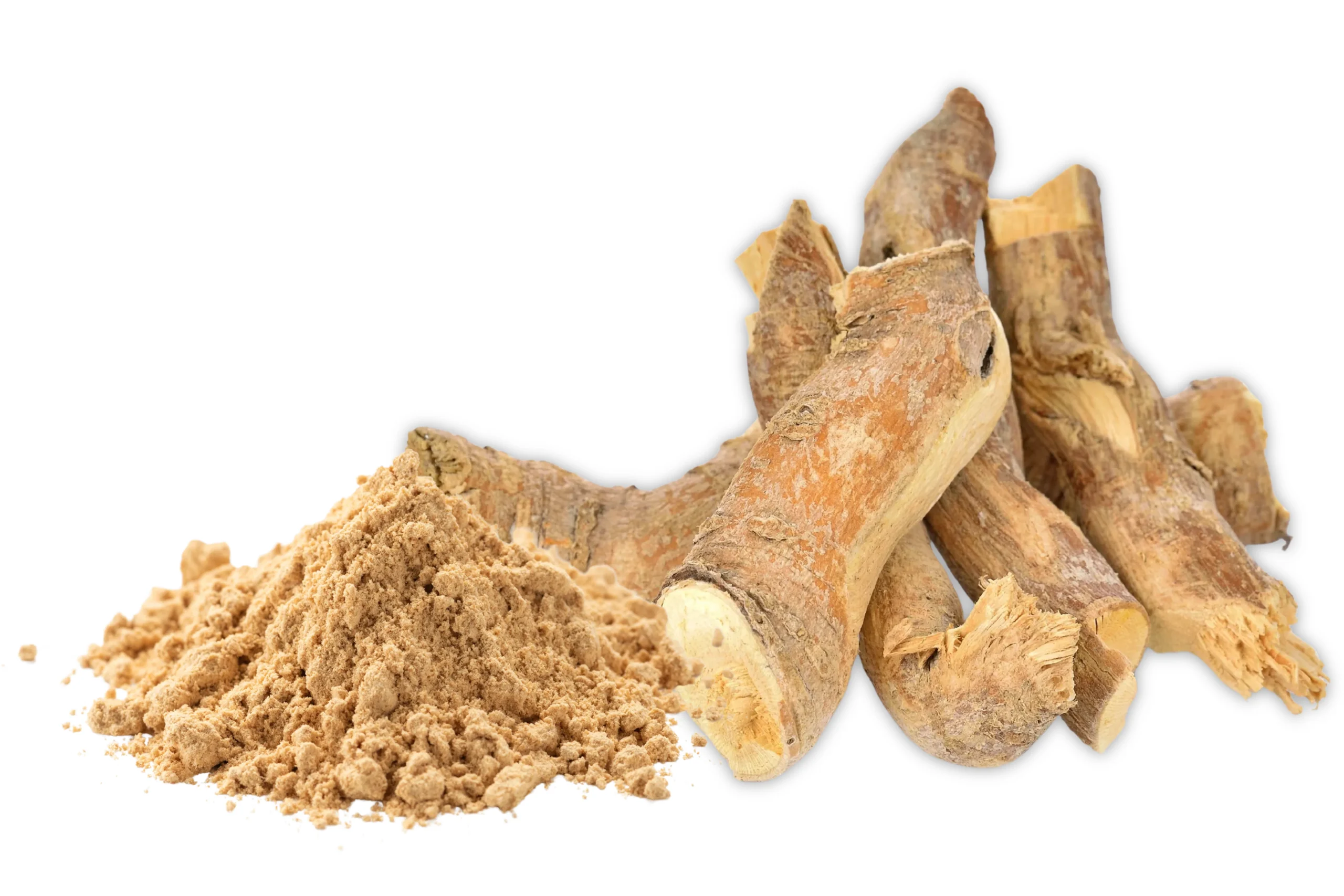
The flavor profile of kava is consistent enough that most people reach for the same words: earthy, bitter, peppery, slightly chalky, and drying. It bears some resemblance to very strong green tea or muddy root water.
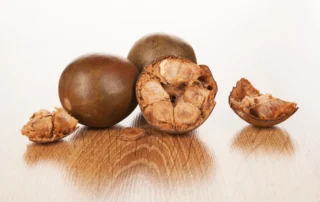
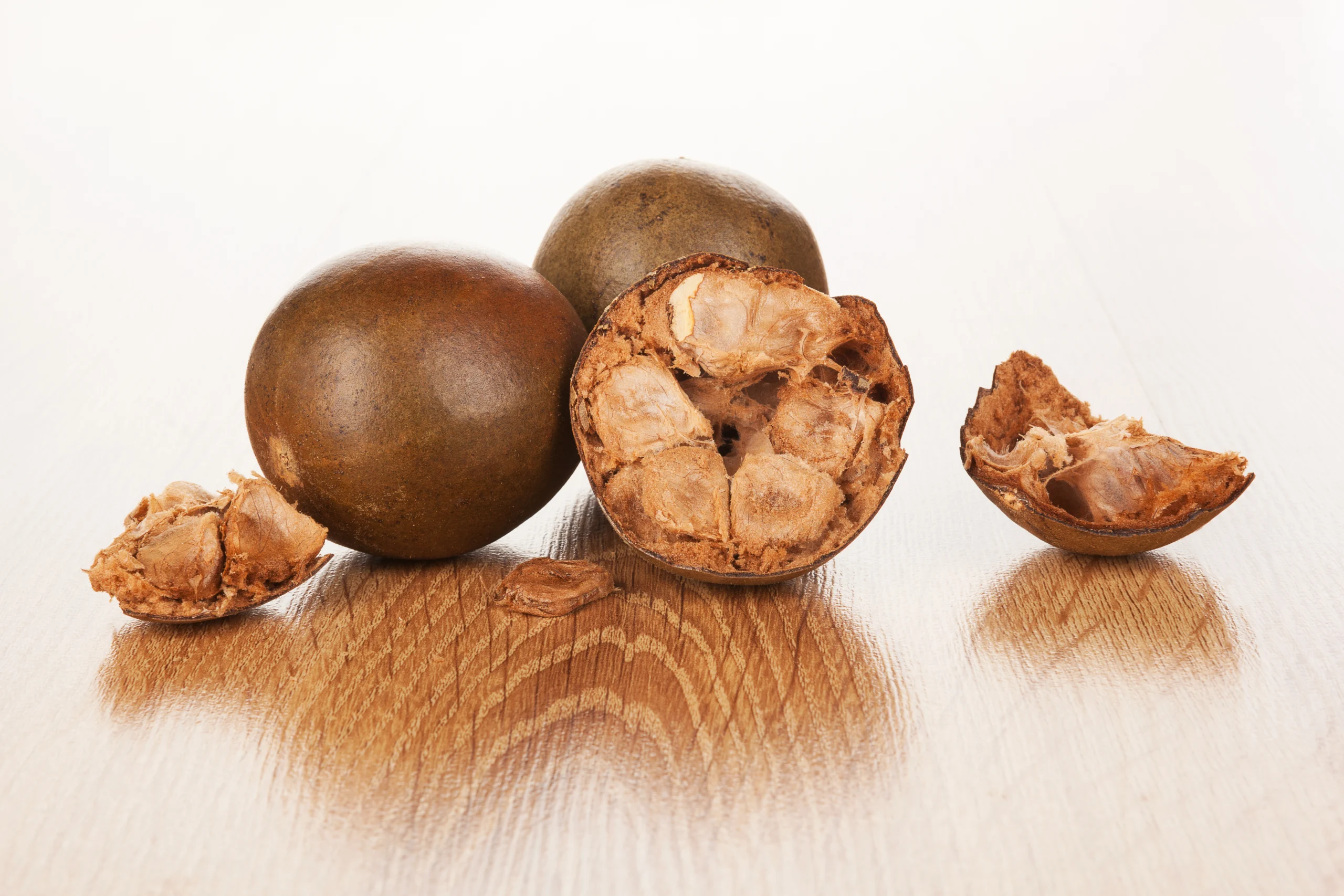
The same compounds that make monk fruit sweet also interact with the bitter taste receptors on your tongue to suppress bitterness.
Taste receptors produce categorical signals — sweet, bitter, salty. Mouthfeel receptors produce physical descriptions — gritty, burning, dry, smooth.



*These statements have not been evaluated by the FDA. This product is not intended to diagnose, treat, cure or prevent any disease.