KRATOM SHOT TASTE EXPLAINED: WHY ACIDITY MAKES IT SO MUCH WORSE
DISCLAIMER: WE DO NOT ENDORSE THE USE OF KRATOM PRODUCTS (MITRAGYNA SPECIOSA). THE LEGAL STATUS OF KRATOM VARIES BY STATE AND JURISDICTION, AND USERS ARE SOLELY RESPONSIBLE FOR REVIEWING AND COMPLYING WITH ALL APPLICABLE LOCAL, STATE, AND FEDERAL LAWS BEFORE USE. USERS SHOULD CONSULT A LICENSED PHYSICIAN BEFORE USING KRATOM OR ANY OTHER BOTANICALS OR SUPPLEMENTS, PARTICULARLY IF PREGNANT, NURSING, TAKING MEDICATION, OR MANAGING A MEDICAL CONDITION. NOTHING IN THIS ARTICLE OR ON THIS WEBSITE SHOULD BE CONSTRUED AS MEDICAL ADVICE. THESE STATEMENTS HAVE NOT BEEN EVALUATED BY THE FOOD AND DRUG ADMINISTRATION. THIS PRODUCT IS NOT INTENDED TO DIAGNOSE, TREAT, CURE, OR PREVENT ANY DISEASE.
Summary
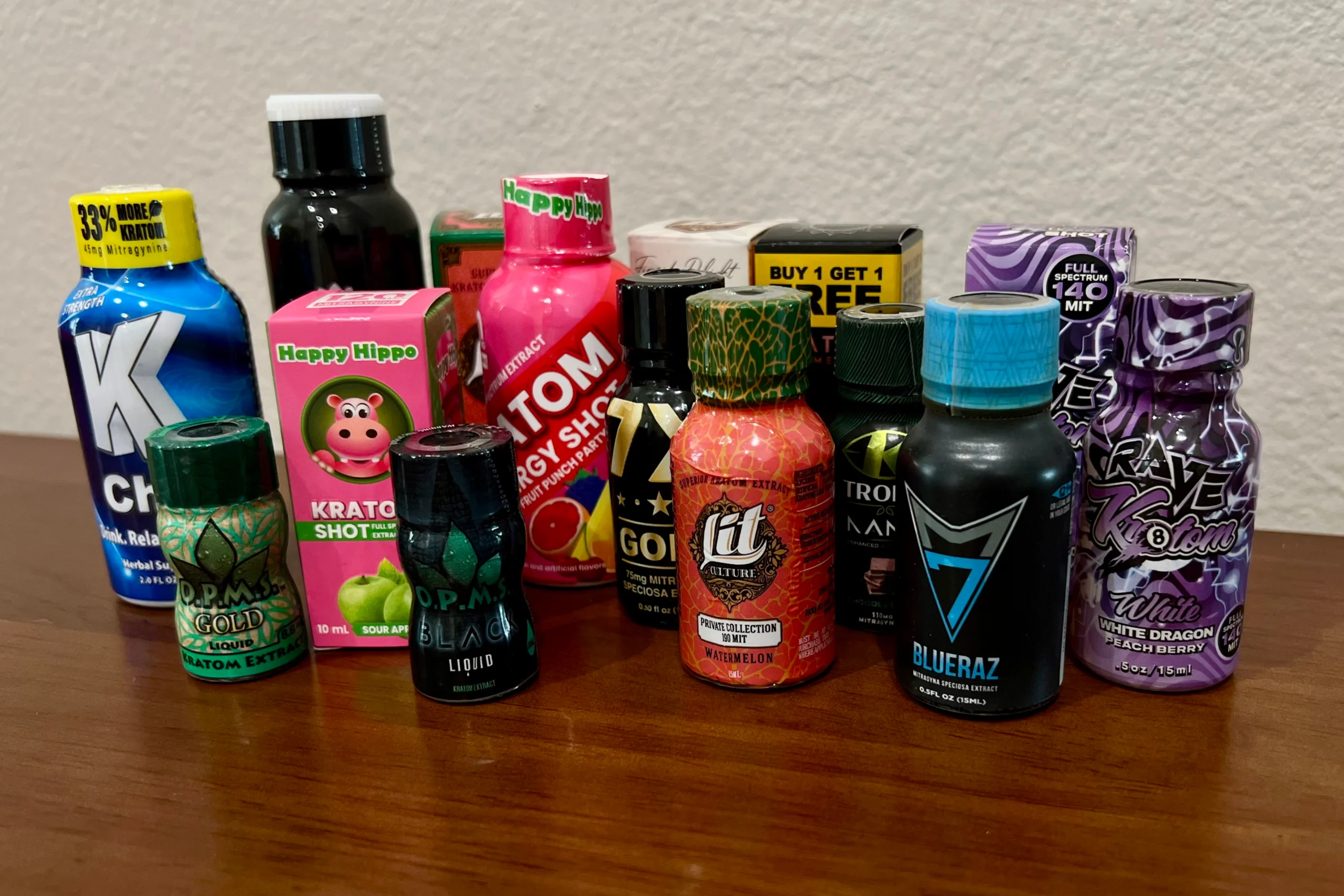
Kratom shots — concentrated liquid preparations sold in 10-60 ml bottles — exist to solve a number of problems: capsules with leaf powder can take up to an hour to take effect, and you may have to swallow 10 or more large capsules to match a potent shot’s dose, while a liquid shot can act in as little as 15 minutes. That speed comes at a steep cost in palatability — a typical kratom shot tastes bad, really bad. The kratom extract itself is only part of the problem. The formulation techniques that require high acid or solvent content are the other part of the problem. TECHNO-MIXERS and TECHNO-FIZZ are designed to solve both problems — links to the relevant product pages are below. Any flavor should work for shots, and as with most other supplements, it’s always best to start with the Assorted Flavors Pack to find the ones that work best for you and your favorite kratom shot.
If you already know which product you need for your shot, here are quick links to product pages. If you want the full picture to help you select the right product, keep reading.
Why Do Kratom Shots Taste Even Worse Than Kratom Leaf?
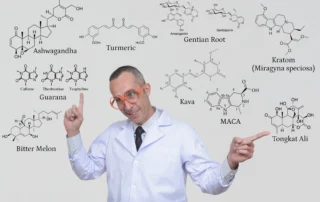
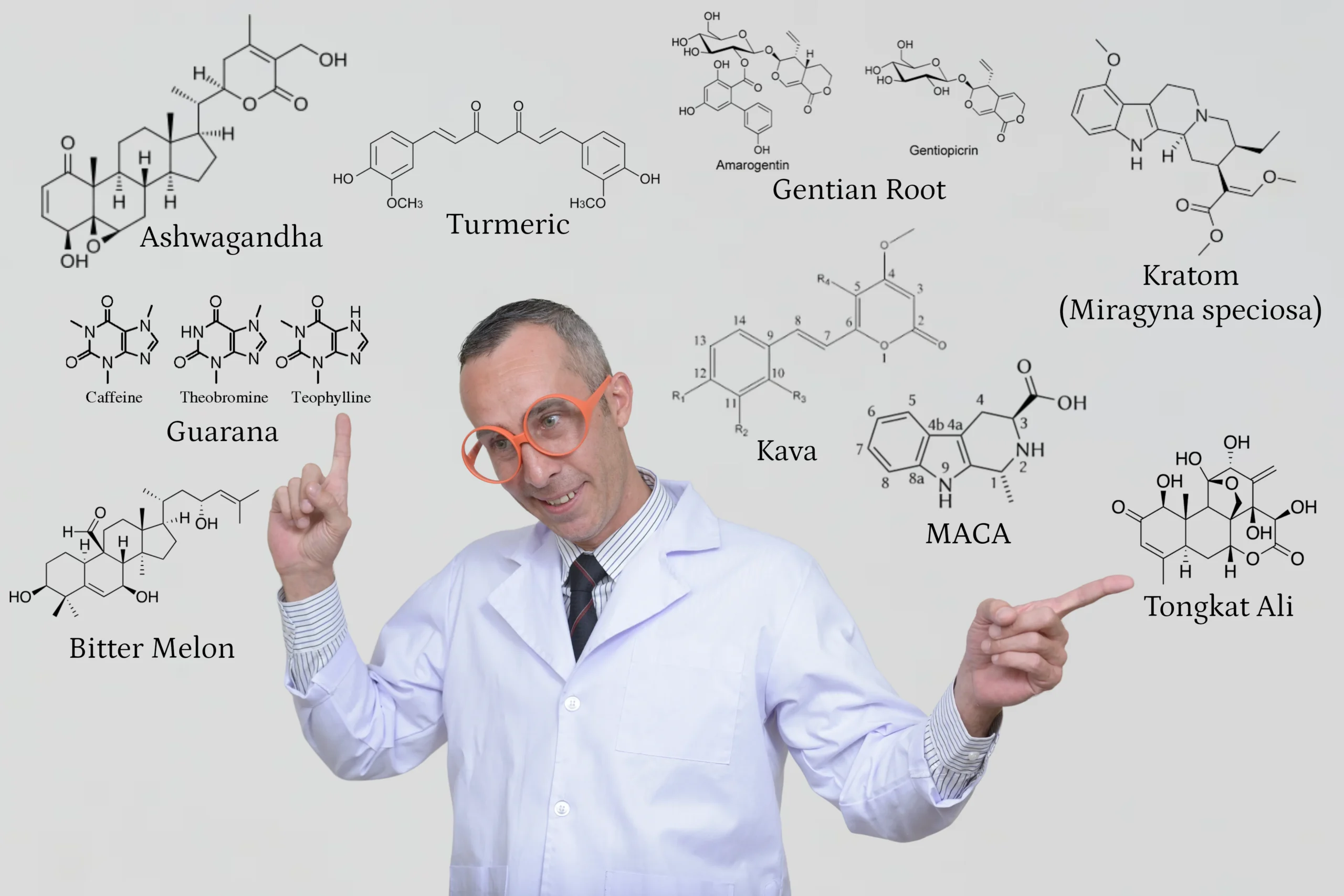
We have reviewed the taste of kratom leaf and its underlying phytochemistry in a separate blog article, which can be found here (link to kratom leaf). In a nutshell, kratom leaf contains multiple compounds that cause bitterness, astringency, and a strong, lingering herbaceous taste. The leaf-level problems don’t go away in a shot — the tannins, minor alkaloids, and flavonoids discussed in that blog are all still present, only at much higher effective concentrations. But two additional factors specific to the liquid shot format compound the problem: strong acidity and solvent load.
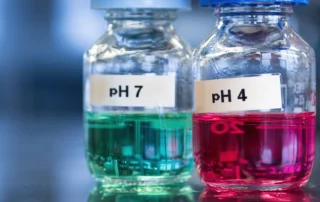
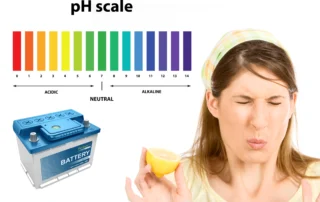
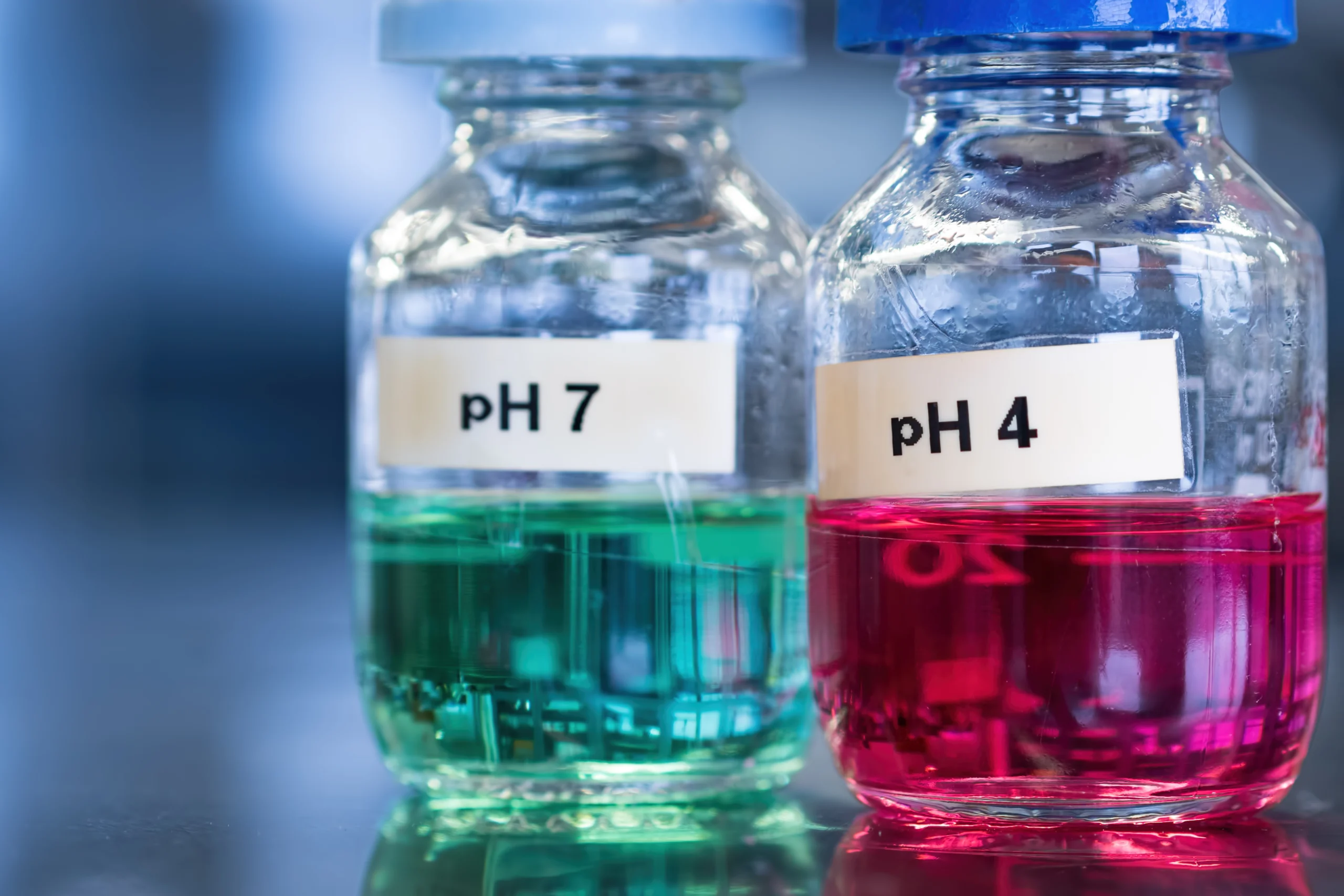
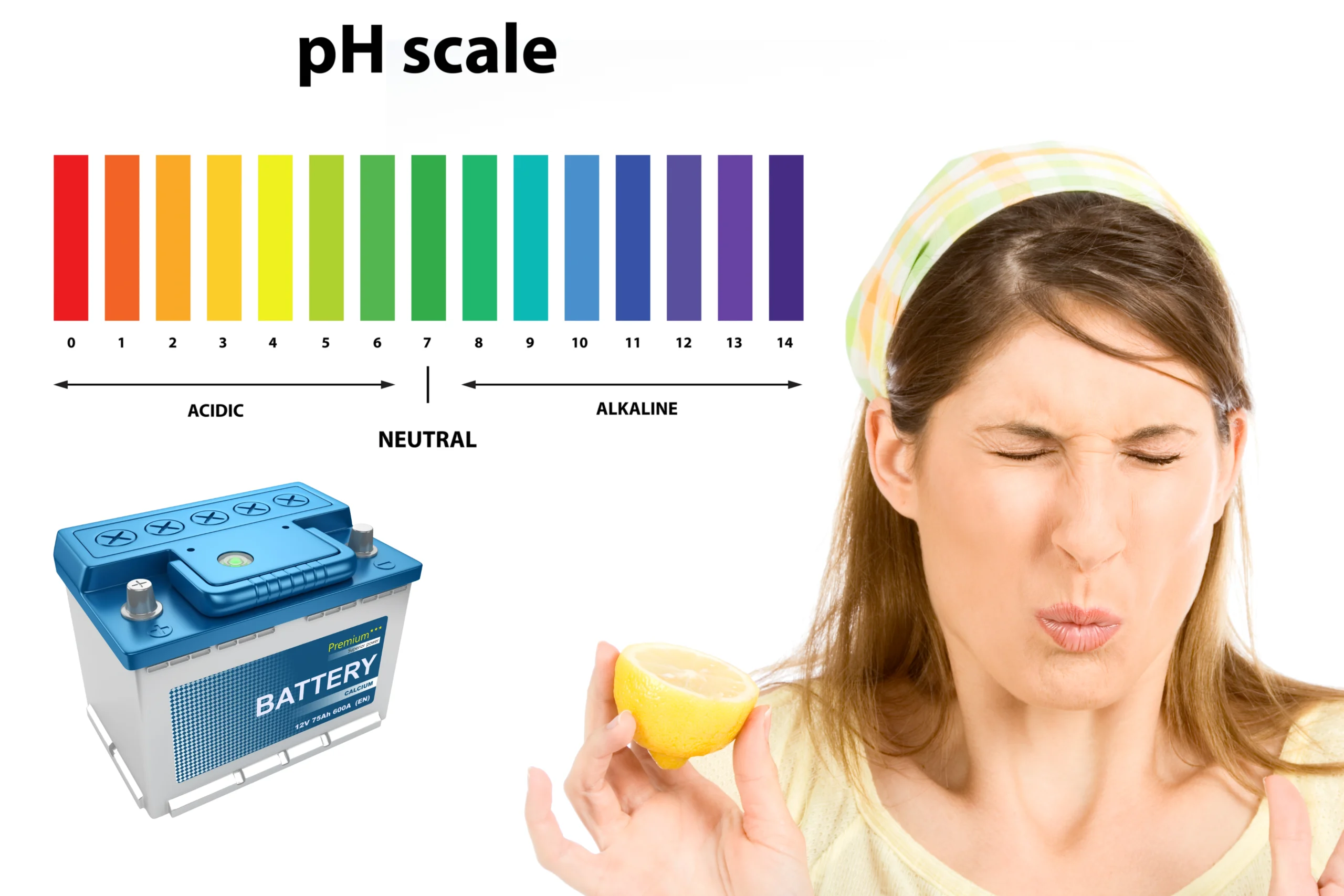
The acidity problem. Mitragynine is a weak base that is poorly soluble in water and virtually insoluble at neutral or basic pH, but considerably more soluble in acidic conditions. A standard kratom shot needs to pack 100-250 mg of mitragynine into 10-30 ml of liquid, demanding a concentration of 3-25 mg/ml — far more concentrated than mitragynine’s solubility allows at neutral pH. The only practical way to get that much into solution is to acidify the liquid, typically to a pH below 4.0, add solvent, or both. We’ve tested over 40 commercial products, and most of them had a pH around 3.5. That acidity is not a formulation accident or a flavor choice; it’s a solubility requirement. That pH level isn’t unusual for foods or drinks and wouldn’t be a problem on its own — the issue is that maintaining it in the presence of such a high concentration of mitragynine (a base that consumes acid as it dissolves) requires a very large quantity of acid. This high acid load causes problems of its own, driven by the sheer buffering capacity of that much acid: because there’s so much acid present, it can burn your mouth, esophagus, and stomach, causing irritation and heartburn, especially when taken on an empty stomach.
The propylene glycol problem. Getting mitragynine into an acidic aqueous solution solves part of the solubility problem, but at shot concentrations it’s often still not enough on its own — many manufacturers add co-solvents like ethanol, propylene glycol, or polyethylene glycol (PEG-300, PEG-400) to keep everything dissolved. These co-solvents enhance irritation and off-flavors in their own right, layering a harsh chemical note on top of the sourness and bitterness that were already there. Glycerol is a gentler alternative that also brings sweetness, but it can produce a warming sensation when it hits the saliva. Kratom that already tastes terrible now feels warm too — not exactly an improvement. The other major issue with propylene glycol is its quantity. Many shots on the market contain 50-90% propylene glycol. Some of these shots are relatively dilute, delivering 40-80 mg of mitragynine in a 60 ml bottle, and users frequently consume the whole bottle at a time. With an Acceptable Daily Intake (ADI) of only 2 g per day, drinking a 60 ml bottle can put a user’s intake at nearly 30 times the ADI. We have covered this problem in detail in a separate blog article.
The grits and particles problem. Even with high acid concentration and chemical solvents present, most brands still cannot maintain full solubility of the extract. Bottles often contain particles that settle at the bottom. You have to shake it thoroughly to suspend the particles if you want to fully recover what you paid for, then drink it quickly. If you’re not careful, one of those particles will get stuck between your teeth and keep releasing bitterness until you finally floss and brush.
The precipitation problem. Mitragynine’s solubility in saliva-like fluid is only about 65 micrograms per milliliter, while a typical shot delivers roughly 150 times that concentration. When the shot hits saliva and its acid and solvent become diluted, the bitter compounds in kratom abruptly precipitate out of solution right on the tongue, contributing to a lingering aftertaste that won’t go away even with a chaser.
These far-from-perfect formulations compounded the problem to the point that people who took kratom shots on a regular basis massively switched to a far more powerful and addictive alternative: 7-hydroxymitragynine pills.
Typical User Complaints
- An intense sour or acidic burn, on top of the underlying bitterness
- A harsh, faintly chemical or “rubbing alcohol” solvent aftertaste
- Tingling, burning, or numbing irritation at the back of the tongue, soft palate, and throat
- A gritty precipitate or film that forms in the mouth after swallowing
- Needing to “chase” the shot with a sweet drink just to get through it
- A lingering aftertaste and irritation that a chaser or a rinse doesn’t fully clear
How TECHNO-MIXERS Can Help
If you use kratom shots, you may have already thought about the issues listed above and wondered why the last sweetened, flavored kratom shot you tried still tasted like dirt, what can actually work as a kratom sweetener, and whether it’s even possible to make a sweet kratom shot. Judging by how frequently this is discussed on Reddit and other platforms, the issue is truly difficult to solve. People are constantly searching for what to mix kratom with and what the best chaser for kratom might be.
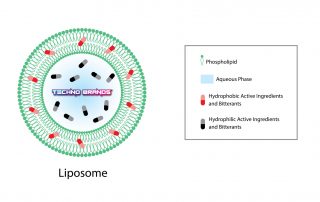
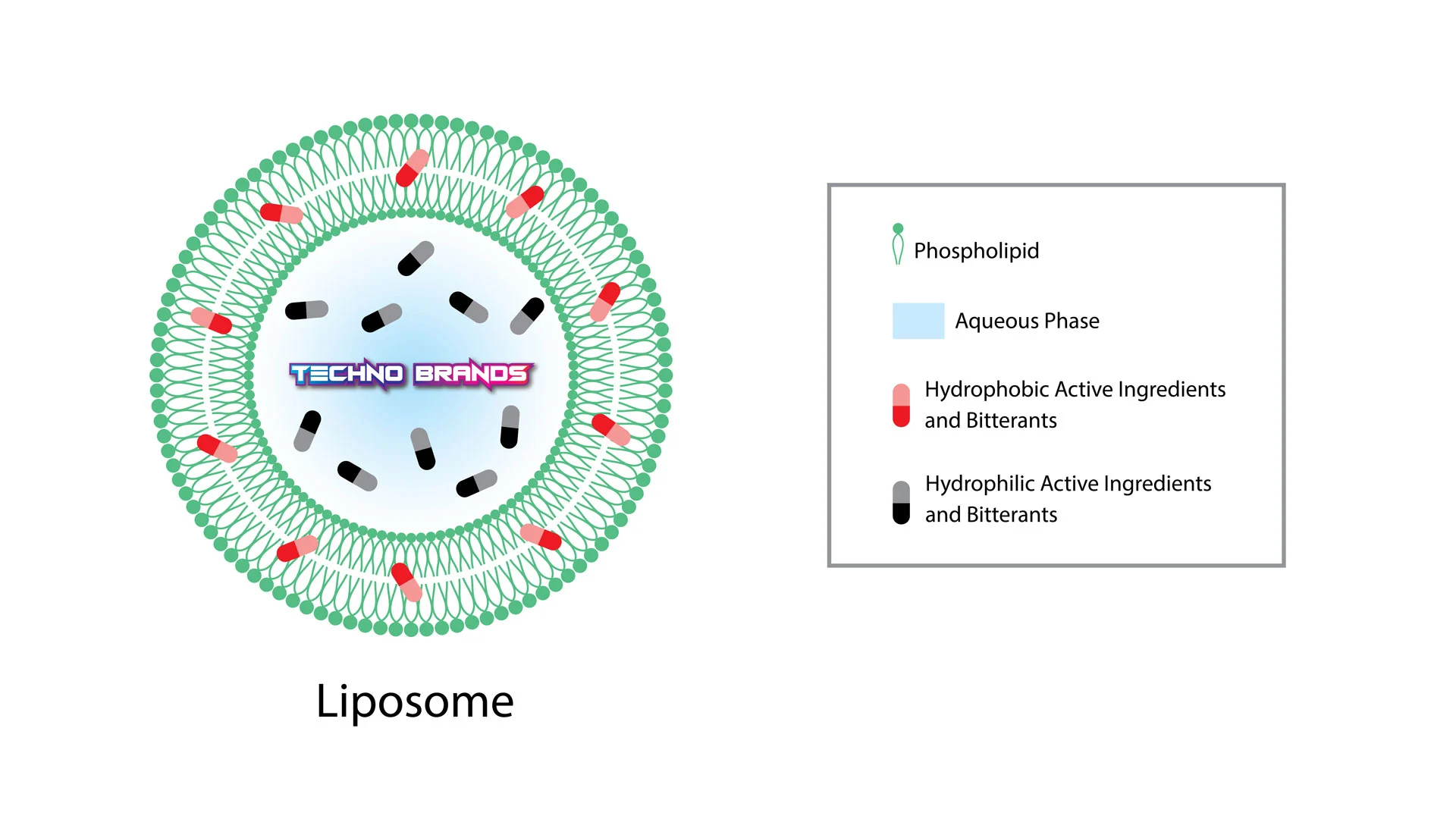
TECHNO-MIXERS’ core mechanism — sunflower lecithin self-assembling into liposomes that physically bind bad-tasting molecules — addresses the bitterness, astringency, and grassy/herbaceous/leafy off-flavors in kratom shots and many other botanicals and supplements across various delivery formats. That’s what it was designed to do, so the search is finally over.
Potassium phosphate in TECHNO-MIXERS can effectively buffer the acidity of most shots, bringing the pH up above 5, where the acid no longer stings or burns. While doing that, the phospholipids can bind the dissolved mitragynine and other compounds in the extract, preventing their precipitation at the elevated pH. Pretty neat, right? Minor phospholipids (phosphatidic acid, phosphatidylserine) help block bitter taste receptors, adding another layer of protection against bitterness.
That last point matters: phospholipid-based taste masking and moderate pH increases work together, not as substitutes for one another. Lecithin and phosphatidylserine handle the bitterness, irritation, and mouthfeel; nudging the pH up out of the harshest acidic range handles the sourness and burn. TECHNO-MIXERS on its own covers the first half of that equation well for general kratom use.
Beyond physical entrapment and acid neutralization, TECHNO-MIXERS offers several other layers of protection, including receptor blocking by plant-derived taste-masking agents, layered sweetness, and improved mouthfeel. These have been described in other blog articles, e.g., here.
Why Highly Acidic Shots Need TECHNO-FIZZ
For many kratom shots, TECHNO-MIXERS is normally sufficient. However, other commercial kratom shots — especially those carrying higher concentrations of extract and therefore made with more acid — may need more than just the potassium phosphate in TECHNO-MIXERS. You may still feel the acidity, along with the underlying bitterness that acidity enhances.
For these highly acidic kratom shots, TECHNO-FIZZ may be a better option. TECHNO-FIZZ includes baking soda (sodium bicarbonate), a mild base that reacts directly with excess acid and releases carbon dioxide — the same acid-base chemistry that makes it fizz. Rather than only buffering the acid, it completely neutralizes it, cutting the sourness and irritation off at the source.
Recommended Flavors for Kratom Shots
Every flavor in the TECHNO-MIXERS and TECHNO-FIZZ portfolio pairs well with kratom shots, but the top favorites are Bubble Gum, Peach Mango, Café Mocha, Passion Fruit, Raspberry, Caramel, and Strawberries & Cream. Since taste preferences differ, start with the Assorted Flavors Pack to find the flavors that work best for you. Kratom’s complex botanical profile — and differences between shots — make choosing the right TECHNO-MIXERS flavor part of the fun.