WHY SOME SUPPLEMENTS ARE SOUR AND HOW TO DEAL WITH IT
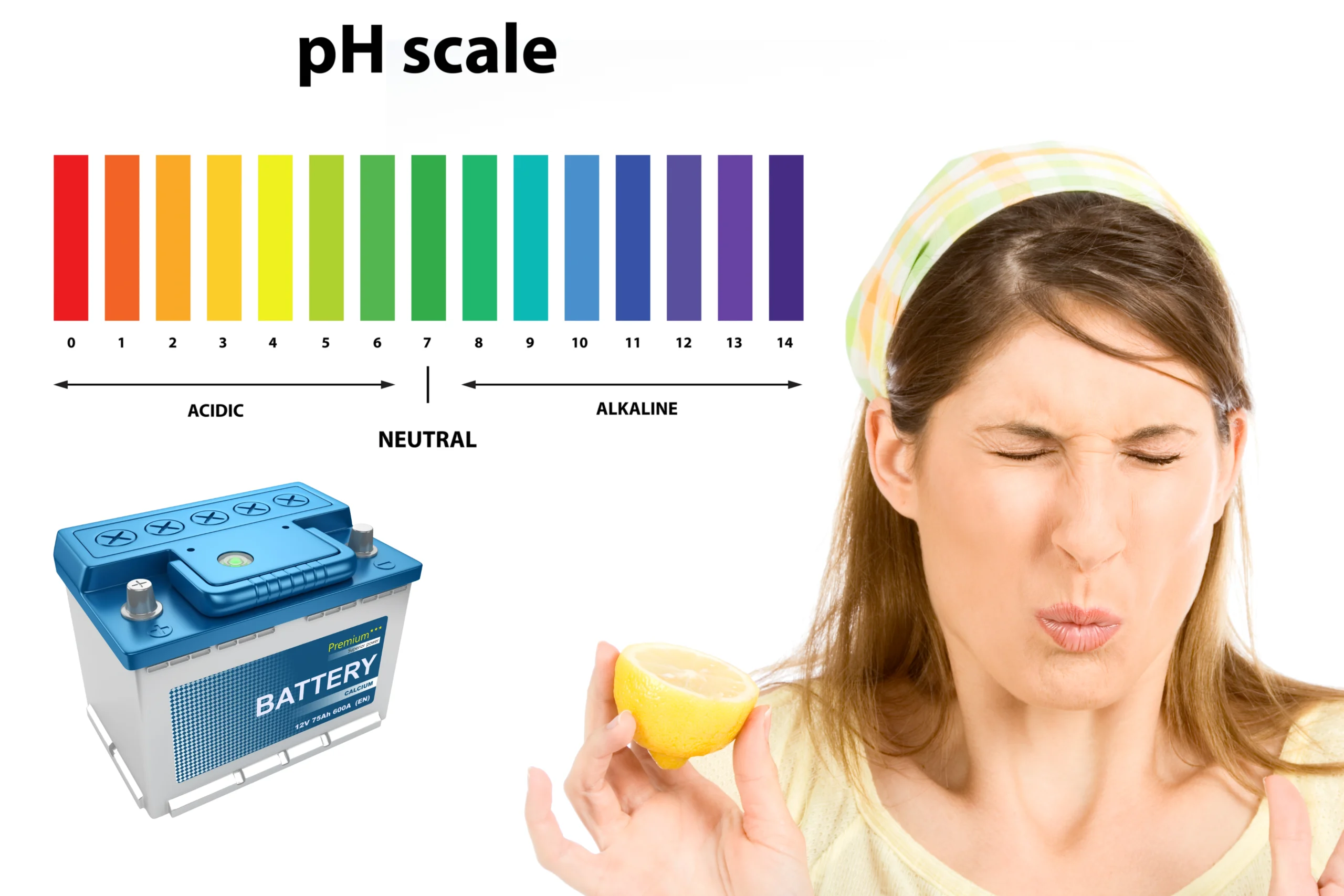
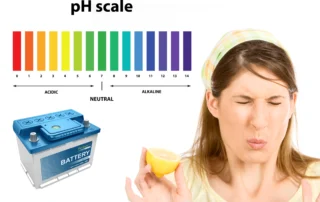
If you’ve ever choked down a spoonful of NAC, Creatine-HCl or Citrulline Malate and thought “that’s what battery acid must feel like,” you weren’t far off. Many botanical extracts, supplements, and vitamin shots sit at a pH somewhere between lemon juice and vinegar. That sharp, mouth-puckering sourness usually isn’t a flavoring choice — it’s either baked into the active ingredient’s own chemistry or a structural requirement the formula’s matrix has to maintain.
Understanding the difference between pH, titratable acidity, and sourness/tartness, and why they don’t always move together, is the difference between reaching for more sugar (which barely helps) and actually fixing the problem. We cover all of that chemistry in a dedicated companion article, linked here.
This article skips chemistry and focuses on sour supplement examples and practical tips on dealing with intensely sour supplements and botanicals.
A FEW KEY POINTS TO REMEMBER
- As covered in detail in the companion science article (link coming soon), pH, sourness, and titratable acidity are related but aren’t the same.
- Titratable acidity is the second most important parameter to watch for, right after pH itself, when it comes to how a supplement actually hits your palate.
- Practically, this means two supplement shots can have the same pH and produce very different in-mouth experiences. The one with more titratable acidity is going to taste sourer, longer, and is more likely to cause the burning or raw feeling people associate with “acidic” supplements regardless of what the pH strip says.
- Different acids used in foods, supplements, and pharmaceuticals have different characteristics, provide different functionalities, and fulfill different needs.
EXAMPLES OF STRONGLY ACIDIC SUPPLEMENTS
Creatine-HCl is a real-world example of what that difference feels like. It tastes like pure torture for a good reason: HCl (hydrochloric or muriatic acid) is a strong acid with an extremely high dissociation constant, so as soon as it’s in solution it behaves like fully unleashed acid, with none of the self-limiting equilibrium that a weak organic acid has. That’s also the underlying reason concentrated strong mineral acids are so much more aggressive toward tissue than any weak acid solution you’d actually drink — not because of the pH reading at the moment you check it, but because full dissociation removes the equilibrium “brake” that limits how much free acid a weak acid can put into play at once. Stomach acid is itself dilute HCl, sitting around pH 1.5 to 3.5, but that’s a curated biological exception the stomach lining is specifically built to handle, not evidence that HCl is broadly safe to ingest at strength. Creatine may also be bitter and fishy — check out the dedicated article here.
L-lysine HCl, L-histidine HCl, and Glucosamine HCl — just as in Creatine-HCl, hydrochloric acid in these supplements serves to improve solubility.
N-acetylcysteine (NAC) and Glutathione (reduced Glutathione or GSH). GSH sourness comes from two free carboxylic acid groups on the glutamate part of the molecule. Glutathione doses are usually much lower than NAC’s and easier on the mouth, so it’s generally simpler to take. NAC sourness comes from the free carboxylic acid group on the molecule (pKa ≈ 3.0–3.24), not from the acetyl group as some bloggers suggest. Both NAC and Glutathione also carry a separate, sulfurous edge from their free thiol group on cysteine — a completely different mechanism, closer to a smell than a taste, and one that needs its own fix rather than an acid-buffering approach.
Citrulline malate is excruciatingly sour, which is expected since the typical 2:1 blend is 33% acid. Malate here is frequently claimed to be synergistic for metabolism and absorption, although evidence is thin. Malic acid is a cheap commodity, so the more likely reason it’s included is bulking (lower cost) and perceived potency (see below).
BCAA/EAA powders are sometimes formulated with malic, citric acid and other acids for solubility. There’s science behind that: low pH protonates the carboxylic group, however the large hydrophobic side chains still leave BCAAs mostly insoluble in water. Sourness here may also help mask the bitterness of BCAAs.
Calcium supplements are frequently sold as blends or reacted salts — citrate, lactate, and malate are the acids most commonly used — designed to keep the mineral in solution.
Amla / Indian gooseberry (Phyllanthus emblica) — extremely high natural vitamin C and tannin content, one of the most sour botanicals used in Ayurvedic and modern antioxidant supplements.
Hibiscus (Hibiscus sabdariffa) — high in citric, malic, and hibiscus (hydroxycitric) acids; used in cardiovascular/blood-pressure botanical blends and teas, tart profile.
Schisandra berry — famously “five-flavor” but the sour note is prominent and is often cited first; used in adaptogen blends.
Tamarind — tartaric acid-dominant, used in digestive/metabolic botanical formulations.
Garcinia cambogia / HCA — sour-astringent, widely used in weight-management supplements.
Rosehip — malic and citric acid content gives it a tart profile; used in joint-health and vitamin C botanical blends.
Acerola cherry — very high natural vitamin C, used as a “whole-food” vitamin C source specifically because of the same sour intensity issue as synthetic ascorbic acid.
WHY SUPPLEMENTS END UP THIS ACIDIC IN THE FIRST PLACE
Many supplements, or actives in them, listed above are inherently sour. In other cases, though, the sourness has nothing to do with the active ingredient itself — acid is added for reasons that often have nothing to do with flavor either:
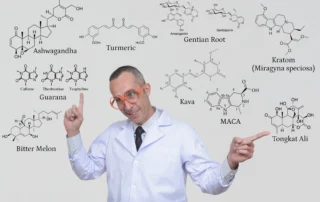
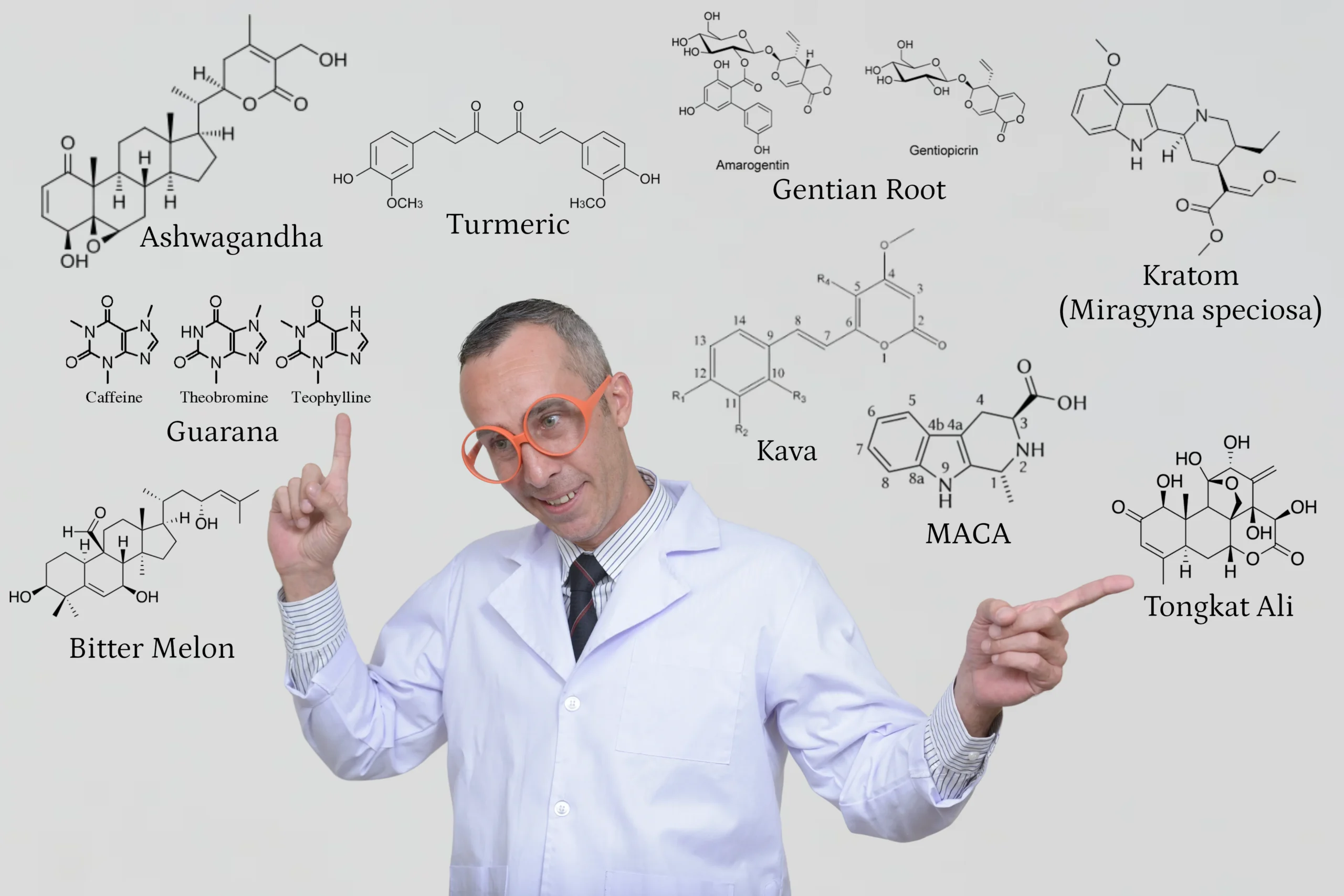
- Solubility. This is the most common cause of extreme sourness. Many active compounds, plant alkaloids in particular, are more soluble in an acidic environment and will precipitate or degrade closer to neutral pH. Kratom shots are a clear example: they typically contain a high concentration of citric acid to keep alkaloids soluble, which gives them an unusually high titratable acid load on top of their bitterness. That combination is a common cause of heartburn and reflux, especially when kratom is taken on an empty stomach. Read the dedicated article here. Traditional kratom leaf tea isn’t acidified this way, so it doesn’t carry the same acid load — see our kratom tea article here.
- Preservation. Low pH inhibits microbial growth, extending shelf life without synthetic preservatives. This isn’t just a formulation preference — in some cases the FDA requires an equilibrium pH of 4.6 or below (sometimes 3.5 or below) for a product to qualify as an “acidified food” under 21 CFR Part 114, which allows it to be made shelf-stable without full retort-level thermal processing, since that threshold prevents C. botulinum spore germination. Canned and bottled salsas and hot sauces, pickled vegetables, and many bottled RTD supplement shots are formulated at or under that 4.6 threshold specifically to avoid refrigeration requirements.
- Stability via metal chelation. Citric acid in particular binds trace metals that would otherwise catalyze degradation of sensitive actives. Liquid and effervescent vitamin C formulas use citric acid (or EDTA, where allowed) to bind trace copper and iron that would otherwise catalyze oxidative breakdown of the ascorbic acid itself. Fish oil and omega-3 supplements use citric acid the same way, to chelate metals that catalyze lipid oxidation — the reaction responsible for the rancid, “fishy” off-taste that develops over shelf life.
- Perceived potency. A sharp, sour hit is sometimes read by consumers as a signal that “something strong is happening,” even though sourness and potency are unrelated. Good brands don’t lean on that trick.
WHY EXCESSIVE ACIDITY IS AN ISSUE
The problem with a shot, drink, or powder sitting at low pH and high titratable acidity isn’t that it’s just unpleasant. It’s certainly bad, acrid, and irritating, but it can also have real health consequences.
First, it’s mechanically capable of eroding tooth enamel. Enamel is a mineral, not living tissue, and it starts to demineralize once the surrounding pH drops below roughly 5.5, the critical pH at which hydroxyapatite begins to dissolve. Chronic dietary acid exposure causes progressive enamel and dentin demineralization (erosion), which over months and years shows up as dentin hypersensitivity — the sharp, short jolt to cold or sweet foods that wasn’t there before. This is a cumulative effect: a single acidic shot isn’t going to strip enamel on its own, but a daily habit of swallowing something in the pH 2–3.5 range, especially if it’s sipped slowly rather than taken quickly, adds up the same way soda or citrus juice does. A single bowl of traditional ceviche with plenty of lime juice can sometimes do it in one sitting.
Second, and more immediately noticeable, many people taking acid supplements report heartburn. The mechanism is straightforward: swallowing a bolus of low-pH, high-titratable-acid liquid can irritate the esophageal lining and relax the lower esophageal sphincter directly, producing the same burning sensation as reflux even in people who don’t otherwise have GERD. Heartburn from acid exposure like this is direct chemical irritation, not a sign of an allergy or intolerance, which is also why buffering or neutralization, rather than avoidance, is usually the more workable fix.
Third, acid doesn’t have to stay in the esophagus to cause a problem. When it travels further up, into the throat and vocal folds, the result is laryngopharyngeal reflux (LPR), often called “silent reflux” because it typically shows up without the classic burning sensation of heartburn. Chronic throat-clearing, hoarseness, or a sore throat that won’t resolve are the more common tells, and people frequently don’t connect them back to what they’re drinking.
Fourth, and arguably the most overlooked issue, repeated exposure to strong acid irritates the stomach lining itself, on top of whatever the stomach’s own resident HCl is already doing. This is a real concern for anyone taking supplements on an empty stomach, which is exactly when some botanical extracts — kratom shots among them — are recommended to be taken for improved absorption. An empty stomach has no food buffering the bolus, no dilution, and a thinner mucus layer standing between the acid and the epithelium, so the same acidic supplement that’s merely uncomfortable after a meal can be genuinely irritating before one.
None of this means the ingredient itself has to be avoided; it means the acidity has to be managed. Understanding how to take sour supplements safely, and specifically how to drink sour formulations without the burn, comes down to the same two questions: how to reduce acidity in the product before it reaches your mouth and stomach, and how to neutralize acidity that’s already unavoidable. We cover both approaches next.
HOW TO DRINK SOUR SUPPLEMENTS
There are two ways to reduce sour burn, and the preferred one is to formulate the product with less titratable acidity. When that isn’t possible — or you simply have what you have, and the same active isn’t available in a less acidic formulation — the second-best approach is to neutralize the acid, ideally in a way that doesn’t affect the supplement’s efficacy between the time it’s neutralized and the time the mix is consumed. Let’s address these two approaches one by one.
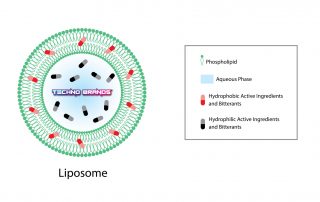
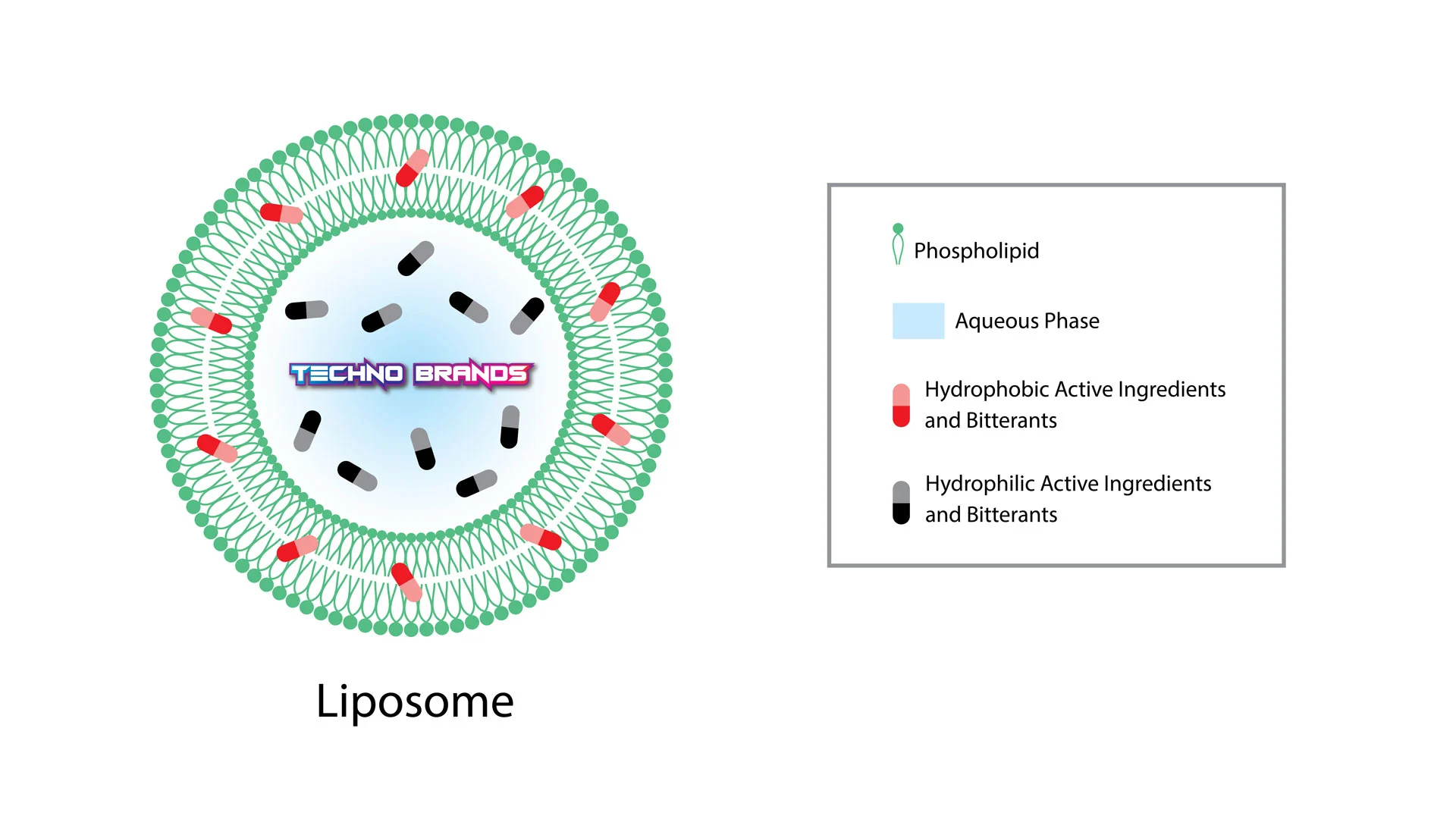
When acid is used to improve the solubility of a supplement in a liquid product, one way to reduce or replace it is to use co-solvents like propylene glycol, ethyl alcohol, or glycerin, which, depending on the concentration used, can introduce their own issues: irritation from alcohol, a warming sensation from glycerin, or exceeding the Acceptable Daily Intake threshold for propylene glycol. A better alternative is formulating poorly soluble actives using nanoemulsions, micelles, or liposomes, although in many cases this can dramatically increase the cost of the final product.
In supplements where acid can’t be replaced, many manufacturers try to increase sweetness, and in most cases this approach fails. Sweetness competes with sourness at the level of perception — it can take the edge off a mild acid taste, but it does nothing to reduce titratable acidity, and it does nothing for the physical irritation caused by a low-pH liquid sitting in your mouth and stomach.
Okay — you have the sour supplement, and there’s no alternative, at least not in your hand — so how do you quench the acidity? There are a couple of ways: you add a base (alkali), a buffer, or both, to raise the pH. The process is called neutralization or buffering. Raising the pH toward neutral and reducing the pool of available acid is far more friendly on your mouth and stomach than trying to out-compete it with sweetness. Sourness and irritation are two separate symptoms of the same underlying cause — excess acid. Sweetening a drink patches the taste symptom but does nothing for the irritation, so you’d still need a second, separate fix, like a coating agent, to deal with that on its own. Buffering addresses both symptoms at their shared root cause in one move, instead of treating them as two different problems needing two different fixes.
Here are practical tips:
- Adding some baking soda might be the easiest – every house has got some. Add a pinch, mix, watch out for the bubbles, don’t let your supplement boil out of the bottle.
- Better yet get some dibasic potassium phosphate (food grade sold on Amazon) it has a better buffering power and doesn’t fizz.
- The amounts needed will vary dramatically. A teaspoon of sour tincture will need just a pinch. A tablespoon of Creatine-HCl will need a lot more.
- We wouldn’t recommend using lye – leave it to the professionals.
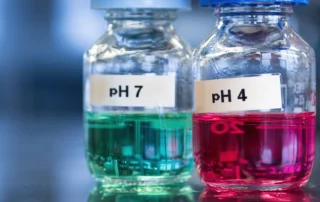
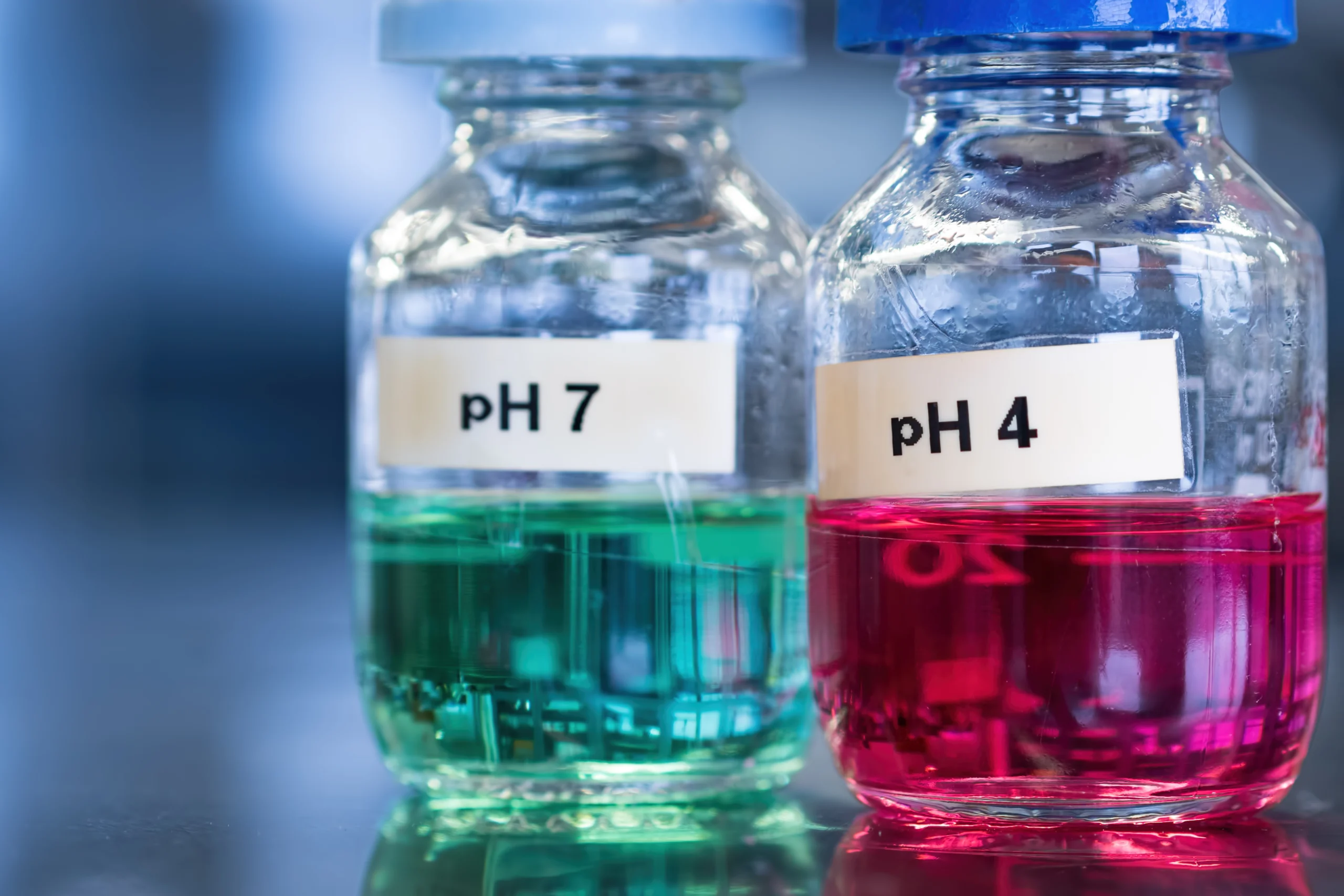
If sourness is fixed but you feel raw metallic taste, you may have gone too far and the taste you feel is the base. Next time try adding less. Want to be more precise and scientific about it? Purchase pH test strips and shoot for pH between 5 and 7. That’s where most supplements become okay to drink and will not irritate your mouth and stomach.
HOW TECHNO-MIXERS AND TECHNO-FIZZ HELP FIGHT ACIDITY AND SOURNESS
Some botanical extracts and other supplements are acidic by design, for one or more of the reasons above. The acid is frequently a required component, and reducing or replacing it long-term isn’t possible because doing so may affect shelf life — causing precipitation, oxidation, or microbial growth.
When acidity is required to maintain solubility, a better approach is to use liposomes or similar encapsulation/binding techniques. Unfortunately, producing shelf-stable liposomal formulas is highly technically demanding — it requires expensive, specialized equipment and precise manufacturing protocols. Most liposomal supplements are needlessly expensive, and to this day, few come with real clinical data to justify the price tag. TECHNO-MIXERS and TECHNO-FIZZ take a different approach: a creative modification of liposomal technology combined with actual acid quenching.
TECHNO-MIXERS contain potassium phosphate (the same molecule that is naturally present in saliva) — a potent buffering agent that neutralizes excess acid in supplements and botanicals directly. TECHNO-FIZZ contains potassium phosphate and baking soda (sodium bicarbonate, also naturally present in human saliva) and is designed to deal with extremely acidic supplements.
More importantly, both TECHNO-MIXERS and TECHNO-FIZZ contain sunflower lecithin, a source of phospholipids that form liposomes, bind hydrophobic actives, and prevent them from precipitating out of solution as the surrounding pH is brought closer to neutral by the action of potassium phosphate and baking soda. Actives bound to phospholipid-containing liposomes no longer depend on a low-pH environment to remain in solution, which is what allows the formulation to reduce titratable acidity without compromising the active ingredient, at least in the short term. And because neutralization happens right before consumption, it won’t give microbes time to grow.
TECHNO-FIZZ adds one more mechanism on top of this, and it’s worth separating out two distinct effects that happen at the same time. First, the CO2 released by the reaction may speed things along on its own: a controlled crossover study comparing champagne to the same wine with the CO2 removed found the carbonated version produced significantly higher blood alcohol levels, with gas-driven gastric distension accelerating gastric emptying proposed as the mechanism. Second, and separately, the acid consumed in that same reaction may blunt an unrelated braking mechanism: the duodenum senses incoming acid load and slows gastric emptying in response, so neutralizing acid before it leaves the stomach may reduce how hard that brake gets applied. Both point toward faster gastric emptying and, by extension, a case for improved absorption speed. The result of course will depend on your specific supplement and the way it is taken but at least that’s the possibility.