GUARANA BITTERNESS AND ASTRINGENCY EXPLAINED AND FIXED
Summary
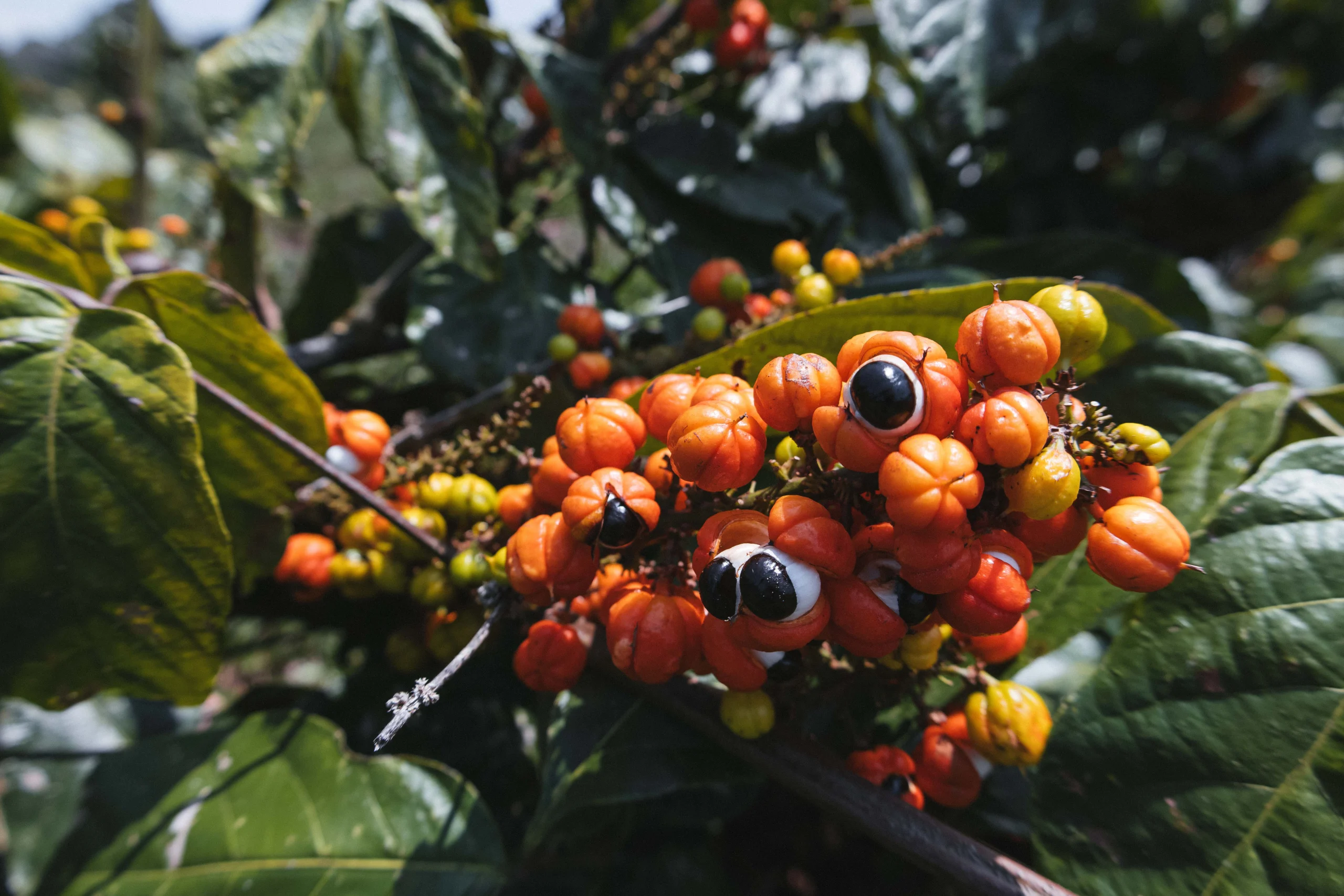
Guaraná taste comes with a sharp, lingering bitterness, a drying, mouth-coating astringency. Guarana flavor is somewhat earthy and smoky from the way the seed is traditionally processed.
If masking bitterness and other off-tastes and off-flavors had to be assigned a difficulty level, 1 being the easiest and 10 being the most challenging, Guaraná drink would be at 7. TECHNO-MIXERS can handle that relatively easily, especially if you add some tartness to your drink, and in case you already know that you need a guaraná mixer in a pump bottle, here are the flavors that we recommend.
Grape, Orange Cream, Bubble Gum, Fruity Maple, Raspberry, Strawberry & Cream, and Café Mocha
If you want the full picture — including how to drink guaraná without the bitterness, what is the chemistry behind the taste and what the liposomal bioavailability research shows — keep reading.
Guaraná is one of the highest-caffeine botanicals in general use, carrying roughly two to four times the caffeine concentration of a coffee bean, and it has centuries of documented use before it became a staple of energy drinks, pre-workouts, and weight-management formulas worldwide. That popularity is exactly why so many people run into its taste directly — as a standalone shot, a raw powder, or a heavily dosed pre-workout rather than diluted down in a guarana soda.
Typical User Complaints
- Sharp and overpowering bitterness that can’t be suppressed by sweeteners — the single most-cited complaint, and the one that climbs fastest as the dose goes up
- A dry, puckering, mouth-coating astringency from the tannins — frequently reported as the harder of the two to mask, since it isn’t a taste that sweetness alone can cover
- An earthy, almost smoky or “burnt” undertone, especially in raw or minimally processed roasted seed powder
- A gritty or chalky texture when stirred into water
- A metallic, medicinal, “supplement-like” aftertaste that outlasts the drink itself, distinct from the initial bitter hit
How TECHNO-MIXERS Can Help
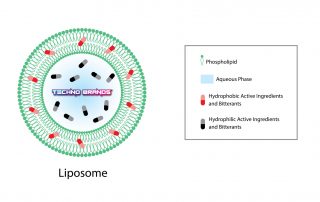
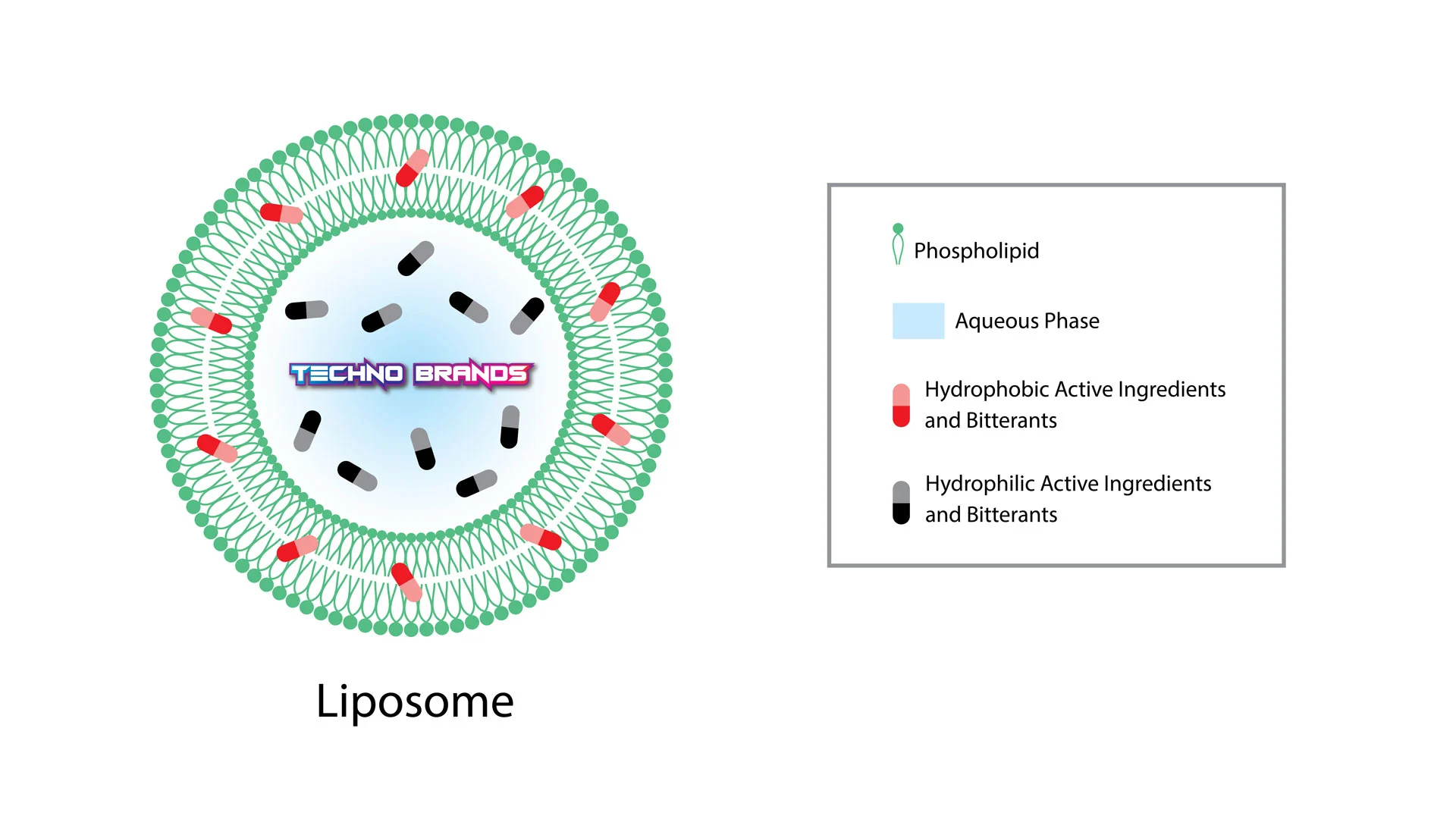
TECHNO-MIXERS’ primary mechanism is physical entrapment: the oil and phospholipids in sunflower lecithin self-assemble into tiny liposomes suspended in water, and when they contact your supplement, compatible molecules bind to those liposomes, reducing their contact with your taste buds.
Guaraná is a more complicated case because the main bitterant in guaraná, caffeine, is a highly hydrophilic molecule, meaning it doesn’t bind especially well to the phospholipids. Guaraná’s tannin fraction — catechin, epicatechin, and related compounds — bind phospholipids considerably more readily, so physical entrapment does meaningful work against the astringency and the tannins’ own bitterness. Caffeine’s bitterness, on the other hand, gets addressed through binding of minor phospholipids to taste receptors and other means described in our Technology article: natural flavors (including taste-masking agents), early sweetness from stevia extract, and generous monk fruit sweetness calibrated to that bitterness.
Guaraná’s astringency isn’t purely a taste problem but rather a mouthfeel issue, but it does contribute to the overall guaraná consumption experience. Lecithin, together with allulose and glycerin, coats oral surfaces and acts as a lubricant and protective barrier against exactly this kind of trigeminal irritation, addressing astringency separately from bitterness itself.
How to Make a Guarana Drink
Most people take guaraná one of three ways: swallowed in capsules, stirred as an extract or raw seed powder into water or a pre-workout shake, or blended into an energy shot alongside other stimulants. Standardized extracts (commonly 22% caffeine by weight) are typically dosed anywhere from 200 to 800 mg depending on the product, and raw seed powder is often used at 1 to 2 grams — split across as few as one capsule or as many as six, depending on strength. Capsules sidestep the taste problem, but if you’re already taking a handful of them, they’re one more contributor to pill fatigue.
Anyone cooking liquid guaraná mix almost always aims at bitterness, not astringency. Citrus juice — orange, lemon, or lime — is the most frequently recommended mixer; the acidity and sweetness together blunt the bitter hit. So much so that many people call this drink guarana juice. And it’s the same logic behind commercial guaraná sodas in Brazil — very sweet, tart, and mostly citrus flavored. Milk or a dairy-based smoothie comes up often too, and it has more mechanism behind it than most kitchen fixes: casein and other milk proteins bind tannins, the same principle behind adding milk to strongly-brewed tea, which makes it one of the few home remedies that actually does something about astringency rather than just masking bitterness. Sparkling water is another common recommendation, since carbonation is widely reported to dull perceived bitterness. Honey, vanilla, cinnamon, and mint show up as flavor add-ins meant to give the palate something more familiar to focus on rather than fixing the underlying taste chemistry.
None of these are mechanistically rigorous fixes. Most leave the astringency largely untouched, leave the bitterness still noticeable, and add volume and calories. That’s the specific gap a dedicated guaraná mixer like TECHNO-MIXERS fills — one serving added alongside your guaraná dose fixes the smoky taste, the astringency and gritty mouthfeel, and most of the bitterness.
Recommended Flavors and Other Tricks for Guarana
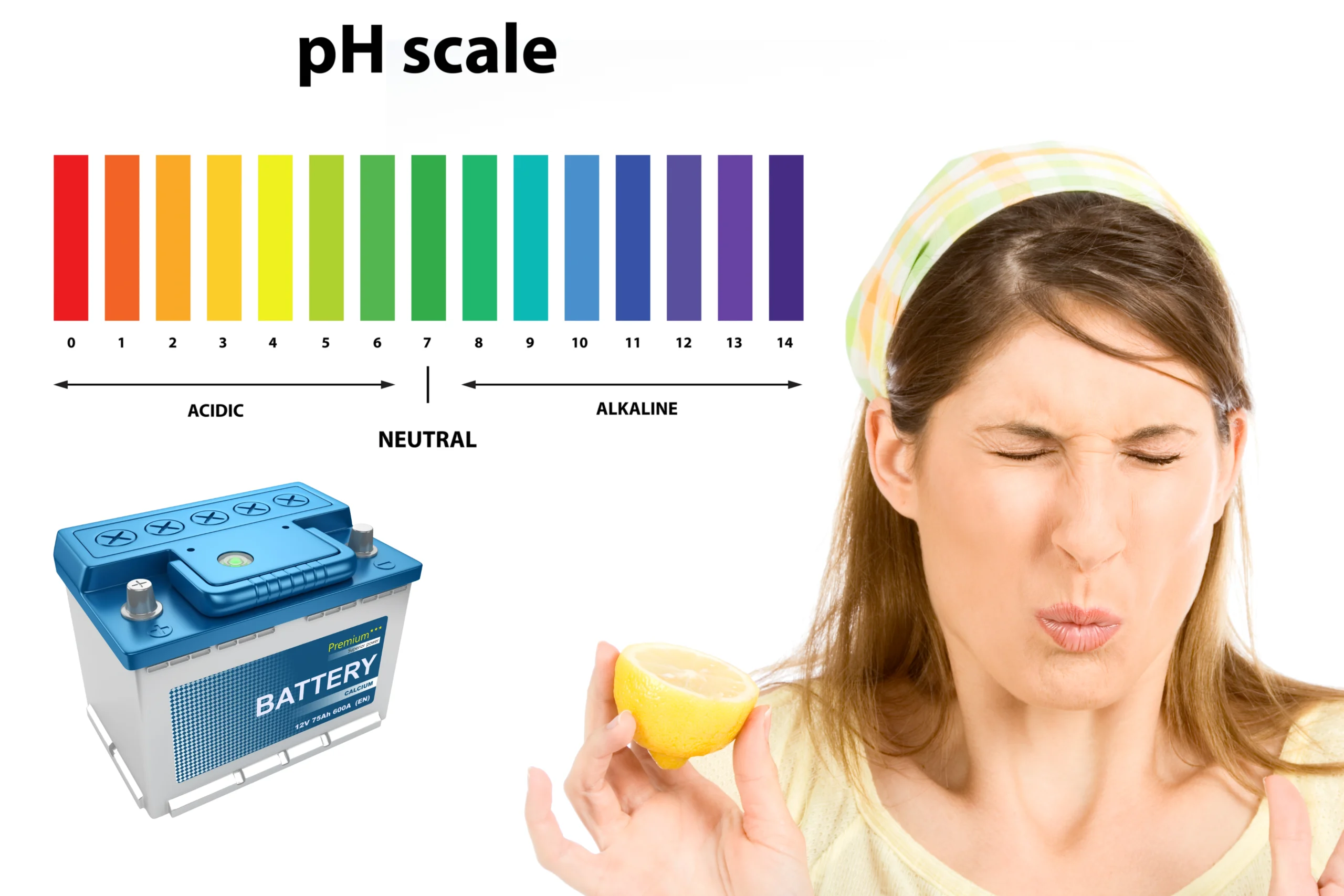
According to our own tests, best matching flavors for guaraná are Bubble Gum, Grape, Orange Cream, Fruity Maple, Raspberry, Strawberry & Cream, and Café Mocha. However, as we mentioned above, guaraná sits high on the difficulty scale, and depending on your specific dose and other ingredients used in your stack, some bitterness may remain. If that is the case, consider adding acidity and extra sweetness. The Assorted Flavors Pack comes with packets of Equal. ¼ to ½ of a packet should be enough. If adding it to your guaraná drink helps, then you know it is a matter of sweetness, and you can keep using it or replace it with other sweeteners that better match your taste and lifestyle. Tartness too helps suppress residual bitterness of guaraná. Add citric acid, lemon, or lime juice — more if you still taste the bitterness. If you’re already taking other sour supplements, like citrulline malate or NAC (N-acetyl-cysteine), mix them in. Café Mocha flavor from above does not blend well with extra tartness but all others on the list will get a desirable flavor boost.
Guarana Stability: Why Dry Powder and Same-Day Mixing Matter More Than Liposomes
Caffeine doesn’t need a bioavailability boost. Taken orally, it’s already absorbed almost completely, with blood levels peaking within 30 to 60 minutes regardless of the delivery format — capsule, powder, or drink. So when researchers wrap guaraná in liposomes, they aren’t chasing absorption — they’re chasing shelf life, since guaraná’s tannin fraction (catechin and epicatechin, the same compounds behind its astringency) is prone to oxidative degradation once it’s in solution.
The practical takeaway: the compounds that degrade over time are protected far more reliably by how you store guaraná than by any lipid carrier. A sealed, dry standardized extract or raw seed powder — kept away from heat, light, and moisture — stays chemically stable for years, because oxidation is slow until the compound is dissolved. That’s also why you should mix your guaraná with TECHNO-MIXERS on the same day you plan to drink it rather than batching servings ahead: once everything is dissolved in liquid, degradation runs faster, and premixing works against the stability your dry powder already gives you for free.
TECHNO-MIXERS uses the same phospholipid-binding principle, but it isn’t positioned as a bioavailability booster here — it doesn’t need to be. Its entrapment does real work on taste: binding guaraná’s tannin fraction and reducing the astringency and bitterness that fraction contributes.
Why Does Guarana Taste Bad?
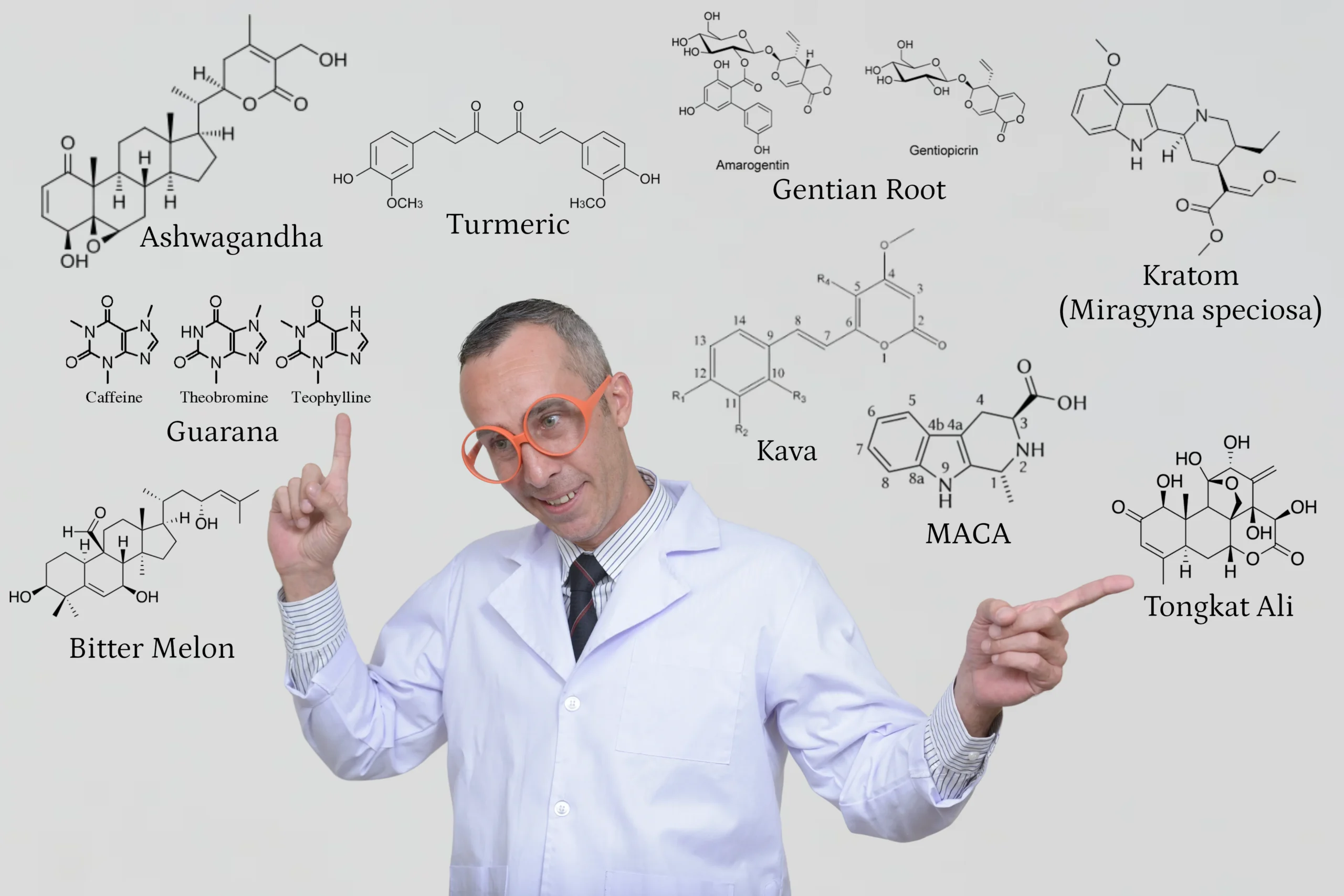
Caffeine. The headline compound, historically labeled “guaranine” on older supplement packaging, is chemically identical to the caffeine found in coffee or tea. Guaraná seeds simply carry a lot more of it — typically 2% to 8% by dry weight, roughly two to four times the concentration found in coffee beans. It’s a textbook alkaloid bitterant, activating several bitter taste receptors at once, which is why it registers as sharp and persistent rather than mild, and why the bitterness climbs quickly as the dose increases.
Tannins. Condensed tannins — catechin, epicatechin, procyanidins, and catechutannic acid can make up anywhere from roughly 5% to 25% of a guaraná seed’s dry weight depending on source and processing, among the highest tannin concentrations of any common botanical supplement ingredient. Like the polyphenols in green tea, guaraná’s tannins produce two distinct sensations through two different mechanisms: a genuine bitterness through receptor binding, and a separate astringency from binding and precipitating salivary proteins — the dry, puckering, cotton-mouth sensation that lingers well after the bitterness itself fades. Guaraná’s phenolic profile also includes free gallic acid in smaller amounts — chemically related to the tannin fraction and contributing similarly astringent, sour-bitter notes.
Minor alkaloids. Guaraná also carries small amounts of theobromine and theophylline, caffeine’s relatives found in cacao and tea. Present at much lower concentrations than caffeine, they add modestly to the overall bitterness without changing the overall picture much on their own.
Saponins. Present in only trace amounts, saponins contribute a subtle foaming quality and a faintly soapy texture, layering additional mouthfeel complexity on top of the tannins’ astringency rather than acting as a major bitterness source in their own right.
Roasted, earthy aroma. Traditional guaraná processing involves washing, roasting, and grinding the seeds into a paste that’s shaped into batons and dried in a smokehouse before being grated into a traditional drink called çapó, an earthy-tasting beverage by design. That roasting step is a Maillard reaction, the same chemistry that browns coffee and cacao, and it generates aromatic pyrazine and furan compounds responsible for the smoky, roasted, almost “burnt wood” undertone that carries through into modern extracts and powders, layered on top of the bitterness and astringency.
Starch and fiber. Guaraná seed paste and less-refined powders retain a substantial amount of starch left over from processing. This is largely flavorless on its own, but it contributes the gritty, chalky texture users frequently report when guaraná powder is stirred into water rather than fully dissolved, and it can leave other off-notes sitting on the palate longer than a fully water-soluble ingredient would.
Put together, that’s a bitter alkaloid stimulant, a separate bitter-and-astringent tannin family, a set of minor bitter alkaloids, mildly foaming saponins, a roasted aromatic layer, and a gritty starch component — six different taste and texture problems. That’s a large part of why sweeteners, milks or fruit juices tend to fall short against it.