WHAT IS STEVIA — AND CAN IT ACTUALLY TASTE GOOD?
If you’ve ever tried a stevia-sweetened drink and thought something tasted off — a faint bitterness, a metallic edge, a sweetness that just wouldn’t quit — you’re not imagining things. That experience is real, it’s common, and it has given stevia a reputation problem that, honestly, it only partially deserves.
Because here’s what most people don’t know: the stevia that ruined your drink ten years ago is not the same ingredient available today. The science has moved. The extracts have improved. And when the right type of extract is used in a well-designed formula, stevia is nearly indistinguishable from sugar. That’s not marketing — it’s biochemistry. And understanding the difference explains a lot about why some products taste complete and others just taste wrong.
It also explains why Techno-Mixers work the way they do.
What Is Stevia, and Where Does It Come From?
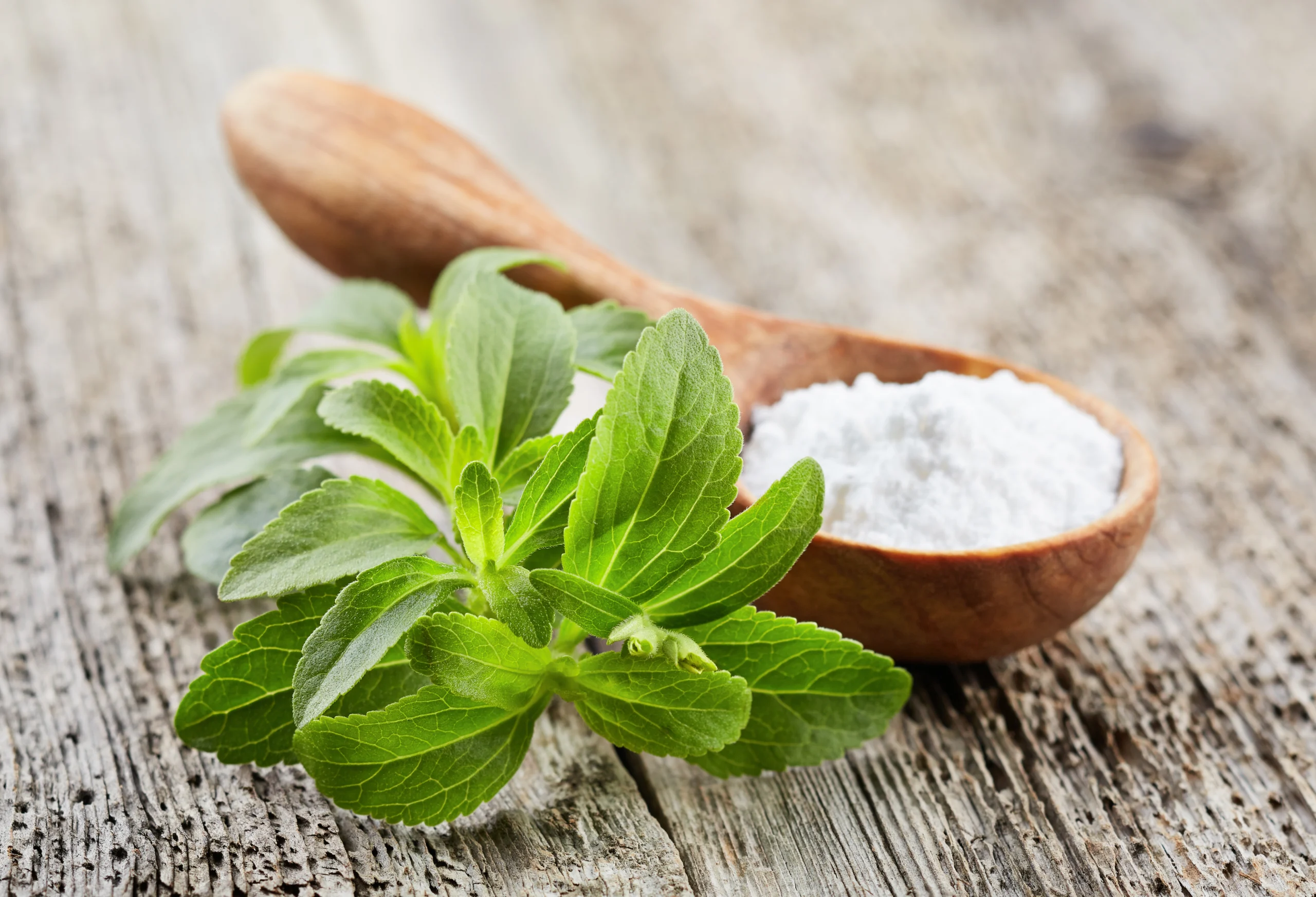
Stevia is a natural sweetener derived from the leaves of Stevia rebaudiana, a plant native to South America. Indigenous communities there have been using it for centuries — as a sweetener, as a medicinal herb, and simply as something to chew on when you wanted something sweet. It arrived in the US as a dietary supplement in 1995 and gained formal approval as a food ingredient in 2008.
What makes stevia sweet is a family of naturally occurring compounds in the leaves called steviol glycosides. These molecules bind to the sweet taste receptors on your tongue and trigger a sweetness signal — but here’s the catch — they also bind, to a lesser degree, to bitterness receptors. That dual activity is the origin of every complaint about stevia’s off-taste.
A typical stevia extract is 200 to 350 times sweeter than table sugar by weight. That intensity is what makes it useful — a tiny amount goes a long way — but it also means that whatever off-notes come along for the ride are concentrated and hard to hide.
Not All Stevia Is the Same — And the Difference Is Significant
There are more than ten different steviol glycosides in the stevia leaf, and they don’t all behave the same way. Some hit sweet receptors cleanly. Others have a much stronger affinity for bitterness receptors. For decades, the food industry relied almost entirely on the most abundant glycoside — Rebaudioside A, known as Reb A — because it was cheapest and easiest to extract at scale. It is also the one most associated with the metallic taste, the lingering bitterness, and the licorice-like finish that made so many early stevia products unpleasant.
Food scientists eventually figured out that the solution was selectivity: find the glycosides that activate sweet receptors without lighting up the bitter ones, and concentrate those instead.
Rebaudioside M (Reb M) is the result of that work. It delivers clean, rounded sweetness with minimal bitterness and almost none of the licorice character that defines lower-grade stevia. Most people who try a Reb M-sweetened product and a Reb A-sweetened product side by side are genuinely surprised by the difference. Reb M is what serious product developers reach for when they want stevia to do its job quietly and get out of the way.
Rebaudioside D (Reb D) is closely related and particularly effective when blended with Reb M — the two work together to reduce each other’s residual off-notes even further.
The trade-off is cost. Better extracts are more expensive to produce, and that cost shows up in the product. Most of what you find on supermarket shelves still uses lower-grade stevia because the economics look better at scale. That gap — between cheap and good — is exactly why so many products sweetened with stevia still taste noticeably off to anyone paying attention.
How Does Stevia Taste in Real Products?
The honest answer is: it depends. It depends on which stevia type is used, at what concentration, in what kind of product, and in what kind of formula.
The onset. Stevia’s sweetness develops a little more slowly than sugar — not dramatically, but perceptibly in a direct comparison. In a well-formulated product, most people don’t notice. In a poorly formulated one, the delay contributes to a sweetness profile that feels slightly out of sync.
The finish. This is where stevia has taken the most criticism, and where the grade difference matters most. Lower-quality extracts leave sweetness in the mouth long after you’ve swallowed — and that lingering sweetness carries whatever bitterness or metallic character the extract brought with it. In a product with other strong flavors, this might be manageable. In a simple drink or a supplement with an already-challenging taste, it defines the aftertaste. High-purity Reb M finishes significantly cleaner and shorter.
The texture problem. This one is underappreciated. Stevia is used in amounts so small that it contributes nothing to the body or texture of a product. When sugar is removed and only stevia is added back, the drink gets thinner. The mid-palate feels hollow. The sweetness floats without anything to anchor it. Most people can’t name exactly what’s wrong — they just know something is missing. That “something” is everything sugar was doing structurally, which had nothing to do with sweetness.
Why Supplement Products Are Especially Hard to Get Right
Adding stevia to a standard flavored drink is one thing. Adding it to a supplement product — particularly one with strong botanical ingredients — is a much harder problem.
Botanicals like ashwagandha, turmeric, and valerian root carry natural compounds that your bitter taste receptors are specifically wired to flag. Bitterness evolved as a biological warning signal, which is why it triggers a near-involuntary recoil even when you know the ingredient is safe and beneficial. Sometimes the same compounds that make these botanicals beneficial are the ones that make them taste terrible. In other cases, the active ingredients are tasteless but the other compounds in plant powder or extract are responsible for the bad taste or flavor. One way or the other, the bitter, earthy, woodsy, herbaceous and other off notes must be dealt with.
Stevia on its own doesn’t solve this. It adds sweetness on top of bitterness — and bitterness tends to win. What it cannot do, at any grade or concentration, is actively address the bitter compounds in the supplement itself. That requires a different approach entirely.
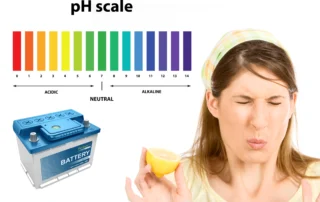
The other issue is acid. Many liquid supplements contain citric, malic, or ascorbic acid as preservatives or co-solvents. In a thin liquid matrix, this acidity can make the product sharp, burning, or genuinely unpleasant to swallow — especially on an empty stomach. Stevia doesn’t touch that either.
Getting a bitter, acidic supplement to taste good requires a system that works on multiple problems simultaneously. Sweetness is only one of them, and it’s not even the most important one.
How Techno-Mixers Solve the Problem Stevia Alone Can’t
Techno-Mixers isn’t a flavored syrup you add to make something taste sweeter. It’s a complete taste-masking system built specifically for supplements that are hard to take.
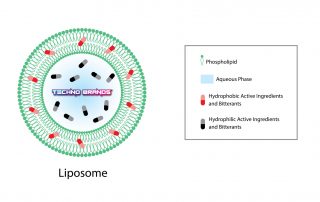
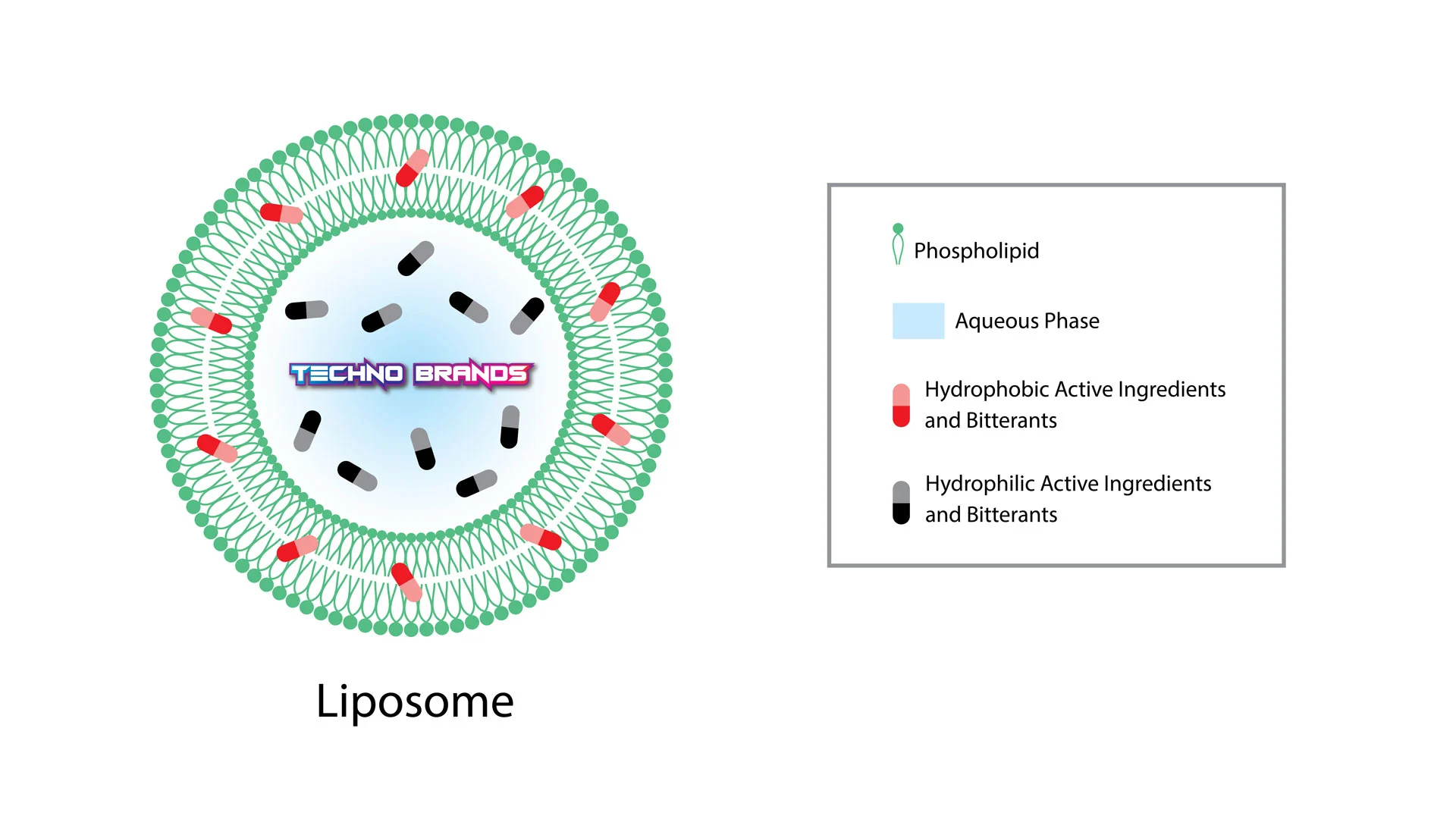
The formula starts with sunflower lecithin, which forms tiny lipid nanoparticles when mixed into a liquid. These nanoparticles bind to the bitter and pungent molecules in your supplement, physically encapsulating them and dramatically reducing how much of that bitter signal reaches your taste buds. The active ingredients in your supplement are still fully there — they’re just no longer making their presence known quite so forcefully.
Vegetable glycerin and allulose — a naturally occurring rare sugar with essentially zero calories — add body, smoothness, and the mid-palate weight that makes a drink feel satisfying rather than thin. They rebuild what sugar’s absence left behind. Without this structural layer, even a perfect sweetness wouldn’t feel complete.
Stevia — high-purity Reb M specifically — handles the sweetness layer, working alongside monk fruit extract in a carefully balanced ratio. The two sweeteners complement each other’s timing: stevia delivers the initial sweetness hit, monk fruit fills in the mid-palate and carries the finish. At the right ratio, each one suppresses the other’s residual off-notes, producing a sweetness that reads as natural and complete rather than synthetic and one-dimensional.
Finally, plant-derived taste masking agents and a line of natural flavors — selected specifically for compatibility with pungent botanical supplements after years of formulation work — smooth out whatever edges remain after everything else has done its job. The available flavors (Fruity Maple, Passion Fruit, Bubble Gum, and others) weren’t chosen for how they taste on their own. They were chosen because certain flavor families are unusually effective at suppressing the specific off-notes that botanical extracts produce.
The result, for many users, is a genuine transformation. The supplement you’ve been dreading to take becomes, if not pleasant, at least entirely manageable — and often better than that.
For particularly bitter supplements — Andrographis, TUDCA, etc., — even this system may need reinforcement. The all-natural sweetener system used in TECHNO-MIXERS may have limitations that artificial sweeteners can overcome more effectively. That is why trial packs of Techno-Mixers include packets of Equal (acesulfame K and aspartame), not as a default, but as a diagnostic: if Equal closes the gap, the remaining problem is sweetness intensity. Artificial sweeteners that can fill that role most efficiently are sucralose (Splenda), saccharin (Sweet’N Low), acesulfame K and neotame. Natural sweeteners that may do the job in this context are honey, regular table sugar, brown sugar, jaggery, date powder, etc., and it is for you to decide whether you want to add calories or go with something artificial. If artificial doesn’t bother you, look into TECHNO-FIZZ made with acesulfame K and neotame, a powerful duo designed to overcome the most severe bitterness.
The Bottom Line
Stevia gets blamed for a lot of bad products. Most of that blame belongs to the wrong extract, used alone, in a product that never rebuilt what sugar’s absence broke.
The stevia available today — especially high-purity Reb M — is a genuinely capable ingredient. It sweetens cleanly, it doesn’t raise blood sugar, and when it’s part of a well-designed system, it disappears into the product the way a good ingredient should. What it cannot do is work alone. It needs structural support, a co-sweetener for timing, and — in any product built around challenging botanicals — a taste-masking layer that addresses bitterness at the source rather than trying to cover it with sweetness.
That’s the system Techno-Mixers was built to be. Stevia is one important component of it.